

Motmot

クロフエガラス 対 ミナミワタリガラス

Strepera fuliginosa 対 Corvus coronoides

クロフエガラスとミナミワタリガラスのクイズ
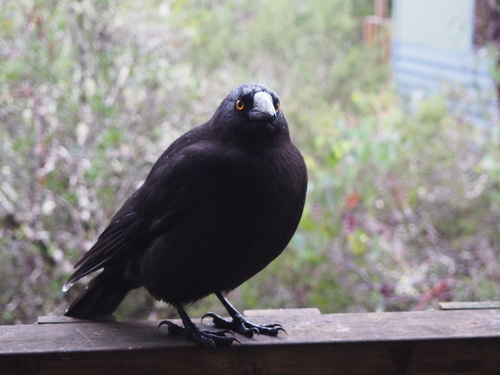
クロフエガラス (Strepera fuliginosa) クロフエガラス
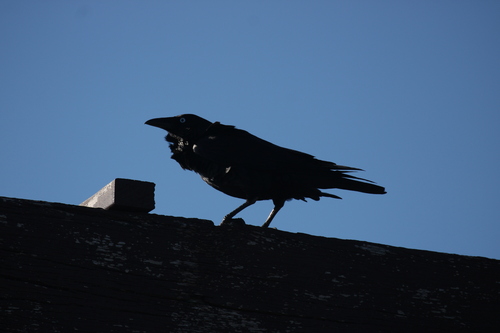
ミナミワタリガラス (Corvus coronoides) ミナミワタリガラス

メディア

読み込み中…

要点

ブラック・カラワンとミナミワタリガラスを区別する最も信頼できる方法は、カラワンの翼と尾にある大胆な白い斑点の存在です。これはすべての年齢で見られ、特に飛行中に際立っています。一方、ミナミワタリガラスは翼や尾に白い部分がなく、完全に黒です。目の色もすべての年齢で診断的です:ブラック・カラワンは明るい黄色の虹彩を持ち、成鳥のミナミワタリガラスは白い虹彩を持っています(幼鳥は暗い目をしています)。構造が異なります:カラワンは重いくちばしを持ち、やや短くてがっしりとした外見をしていますが、ミナミワタリガラスは全体的により大きく、よりくさび形の尾を持っています。どちらも大きく、黒く、カラスのような鳥ですが、カラワンはタスマニアと近隣の島々に特有であり、ミナミワタリガラスはオーストラリア本土に広く分布しています。

識別のコツ

  1. 白い翼と尾の斑点(すべての年齢、すべての季節): ブラック・カラワンは常に翼と尾の先端に白を示し、飛行中に明確な白い後縁を形成し、止まっているときには白い斑点が見えます。ミナミワタリガラスはこれらの部分が完全に黒です。
  2. 目の色(すべての年齢、特に成鳥): ブラック・カラワンはすべての年齢で明るい黄色の虹彩を持っています。成鳥のミナミワタリガラスは白い虹彩を持っていますが、幼鳥は暗いまたはヘーゼル色の目を持っているため、若いカラスには注意が必要です。
  3. くちばしの形とサイズ: カラワンは重くて深いくちばしを持ち、わずかにフック状ですが、ミナミワタリガラスの非常に長くて重い、わずかにフック状のくちばしに比べて相対的に短いです。ミナミワタリガラスのくちばしは頭よりも長いです。
  4. 光沢と羽毛の質感: 成鳥のミナミワタリガラスは、特に良い光の下で、上面に光沢のある青紫色または緑がかった光沢を持っています。ブラック・カラワンはマットな黒で、時には摩耗により暗い茶色に退色し、強い光沢がありません。
  5. 喉の羽毛(成鳥): 呼びかけるとき、成鳥のミナミワタリガラスは長く尖った喉の羽毛を示し、ひげのような外見を与えます。カラワンにはこの特徴はありません。
  6. 幼鳥の羽毛: 若いカラワンは茶色がかりで、黄色の口を持っていますが、まだ白が見られます。幼鳥のカラスは柔らかく、茶色がかりで、羽毛がなく、ピンクがかった口を持っている場合がありますが、翼と尾はすべて黒です。
  7. 飛行パターン: ブラック・カラワンは、翼に目立つ白いフラッシュを伴う波状の飛行をします。カラスの飛行はより安定しており、広い翼とくさび形の尾を持っています。
  8. 尾の形: カラスは飛行中に明らかに見える丸いまたはくさび形の尾を持っています。カラワンの尾はやや短く、くさび形ではありません。
  9. 脚と足: 両方とも強い黒い脚を持っていますが、カラスの脚は特に頑丈で、脛は完全に羽毛で覆われています。
  10. 生息地と範囲: タスマニアまたはバス海峡の島々にいる場合、翼に白がある大きな黒い鳥はカラワンです。オーストラリア本土では、カラスの方がはるかに可能性が高いです。
  11. 群れの行動: カラワンは繁殖期以外に特に大きな群れで集まることがあり、しばしば遊びや社会的な行動を行います。カラスはより孤独であるか、小さなグループでいることが多いです。
  12. 鳴き声: カラワンの鳴き声は特徴的で、カラスの長引く悲鳴や鳴き声とは異なります。声を手がかりとして使用してください。
  13. 他の種との文脈: もし肉屋の鳥やカササギと一緒にいる鳥を見たら、カラワンの可能性が高いです。カラスは他のカラス類と一緒にいることが多いです。
  14. 羽毛の摩耗: 両種は羽毛が摩耗すると茶色がかりに見えることがありますが、翼や尾に白が見えるのはカラワンだけです。
  15. 落とし穴: 暗い目と茶色がかりの羽毛を持つ未熟なカラスには注意してください。カラワンを確認するために、翼や尾の白と目の色をチェックしてください。

大きさ

ミナミワタリガラスはブラック・カラワン(平均成鳥の質量約377g、翼幅約80cm)と比較して、かなり重く(平均成鳥の質量約630g)、翼幅も長い(約100cm)です。両種は長さが似ています(カラワン約50cm、カラス46〜53cm)が、カラスは全体的により大きく、より頑丈です。現場では、両方が並んで見られない限り、サイズだけでは重複や姿勢の違いのために常に信頼できるわけではありません。

羽色

すべての年齢において、ブラック・カラワンは翼と尾の羽毛の先端に明確な白い斑点を示し、白い後縁と一次羽の基部に淡い弧を形成し、特に飛行中に目立ちます。未熟なカラワンは茶色がかりで、2歳までは黄色の口を持っていますが、まだ白い翼/尾のマーキングを示します。ミナミワタリガラスはすべての年齢で翼や尾に白がなく、完全に黒です。成鳥のカラスは光沢のある上面を持ち、青紫色または緑がかった光沢があり、呼びかけるときに喉の羽毛(長く尖った羽毛)が見えます。幼鳥のカラスはこれらの羽毛がなく、柔らかく茶色がかりの羽毛を持ち、ピンクがかった口と暗い目を持っています。目の色は強い年齢の手がかりです:カラワンの目は常に黄色であり、カラスの目は青灰色(巣立ち)、茶色(幼鳥)、ヘーゼル、そして最終的に白(成鳥)に変わります。成鳥のカラスの白い虹彩はカラワンの黄色ほど明るくなく、遠くからは見えにくいことがあります。

行動

ブラック・カラワンは着陸時に尾を持ち上げることが多く、時には大きな群れで遊びや社会的な行動を行っているのが見られます。彼らの飛行は波状で、翼のビートに合わせています。白い翼の斑点が目立ちます。ミナミワタリガラスは、広い翼とくさび形の尾を持つより安定した、より直接的な飛行をしています。カラスはより孤独に見えるか、小さなグループでいることが多く、姿勢はより直立して頑丈です。両種は地面で餌を探すのが見られますが、カラワンは物を操作したり、社会的な遊びに従事しているのが見られることが多いです。

生息環境

ブラック・カラワンはタスマニアと近隣のバス海峡の島々に限定されており、オーストラリア本土にはほとんど、あるいは全く出現しません。さまざまなタスマニアの生息地で見られ、しばしば森林や山岳地帯に生息しています。ミナミワタリガラスはオーストラリア本土全体に広く分布しており、タスマニアには存在しません。オープンな森林、都市部、農地など、さまざまな生息地を占めています。したがって、場所は強い手がかりです:タスマニアで翼に白がある大きな黒い鳥はほぼ確実にブラック・カラワンです。

声

ブラック・カラワンは特徴的な鳴き声を持ち、カラスとはかなり異なります。カラワンの声はここで詳細には説明されていませんが、カラスとは異なるとされています。ミナミワタリガラスは長引く悲鳴の鳴き声で有名で、さまざまな厳しい鳴き声や叫び声を出すこともできます。声は役立つことがありますが、迅速なフィールドでの区別には羽毛や構造ほど信頼できません。

より良い説明を送る

比較と同じ項目を使ってください。文章はすぐに公開されます。

The most reliable way to separate Black Currawong from Australian Raven is the presence of bold white patches on the wings and tail of the currawong, visible in all ages and especially striking in flight; the raven is entirely black without any white in the wings or tail. Eye color is also diagnostic at all ages: Black Currawong has bright yellow irises, while adult Australian Ravens have white irises (immatures have darker eyes). Structure differs: currawongs have a heavier bill and a slightly shorter, stockier look, while ravens are bulkier overall and have a more wedge-shaped tail. Both are large, black, crow-like birds, but the currawong is endemic to Tasmania and nearby islands, whereas the raven is widespread on mainland Australia.

  1. White wing and tail patches (all ages, all seasons): Black Currawong always shows white at the tips of the wings and tail, forming a clear white trailing edge in flight and visible white spots when perched. Australian Raven is entirely black in these areas.
  2. Eye color (all ages, but especially adults): Black Currawong has bright yellow irises at all ages. Adult Australian Ravens have white irises, but immatures have dark or hazel eyes, so beware of young ravens.
  3. Bill shape and size: Currawong has a heavy, deep bill with a slight hook, but it is proportionally shorter than the raven's very long, heavy, and slightly hooked bill. The raven's bill is longer than its head.
  4. Gloss and feather texture: Australian Raven adults have a glossy, blue-purple or greenish sheen on the upperparts, especially in good light. Black Currawong is matte black, sometimes fading to dark brown with wear, and lacks the strong gloss.
  5. Throat hackles (adults): When calling, adult Australian Ravens show long, pointed throat hackles, giving a bearded look. Currawongs do not have this feature.
  6. Juvenile plumage: Young currawongs are browner with a yellow gape, but still show white in the wings/tail. Juvenile ravens are softer, browner, lack hackles, and may have a pinkish gape, but are all-black in the wings and tail.
  7. Flight pattern: Black Currawong has an undulating, bounding flight with prominent white flashes in the wings. Raven's flight is steadier, with broad wings and a wedge-shaped tail.
  8. Tail shape: Raven has a rounded to wedge-shaped tail, often obvious in flight. Currawong's tail is slightly shorter and less wedge-shaped.
  9. Legs and feet: Both have strong black legs, but the raven's are especially robust and the tibia is fully feathered.
  10. Habitat and range: If you are in Tasmania or the Bass Strait islands, a large black bird with white in the wings is a currawong. On mainland Australia, ravens are much more likely.
  11. Group behavior: Currawongs may gather in large flocks, especially outside breeding season, and often engage in playful or social behaviors. Ravens are more often solitary or in small groups.
  12. Vocalizations: Currawong's call is distinctive and not like the raven's drawn-out wails or croaks. Use voice as a supporting clue.
  13. Context with other species: If you see a bird associating with butcherbirds or magpies, currawong is more likely; ravens are more often with other corvids.
  14. Plumage wear: Both species can look browner when feathers are worn, but only currawong will ever show white in the wings/tail.
  15. Pitfalls: Beware of immature ravens with dark eyes and brownish plumage; check for white in the wings/tail and eye color to confirm currawong.

Australian Raven is significantly heavier (average adult mass ~630 g) and has a longer wingspan (about 100 cm) compared to Black Currawong (average adult mass ~377 g, wingspan ~80 cm). Both species are similar in length (currawong ~50 cm, raven 46–53 cm), but the raven is bulkier and more robust overall. In the field, unless both are seen side by side, size alone is not always reliable due to overlap and posture differences.

For all ages, Black Currawong shows clear white patches on the tips of the wings and tail feathers, forming a white trailing edge and a pale arc across the bases of the primaries, especially noticeable in flight. Immature currawongs are browner-tinged and have a yellow gape until age two, but still show the white wing/tail markings. Australian Raven is entirely black with no white in the wings or tail at any age. Adult ravens have glossy upperparts with a blue-purple or greenish sheen, and their throat hackles (long, pointed feathers) can be seen when calling. Juvenile ravens lack these hackles and have a softer, browner plumage with a pinkish gape and dark eyes. Eye color is a strong age cue: currawong eyes are always yellow, while raven eyes change from blue-grey (nestling), to brown (juvenile), to hazel, and finally to white (adult). The white iris of adult ravens is not as bright as the currawong's yellow and can be hard to see at distance.

Black Currawongs often cock their tails when landing and may be seen in playful or social behaviors, sometimes in large flocks. Their flight is undulating, matching their wingbeats, and the white wing patches flash conspicuously. Australian Ravens have a steadier, more direct flight with broad wings and a wedge-shaped tail. Ravens may appear more solitary or in small groups, and their posture is more upright and robust. Both species can be seen foraging on the ground, but currawongs are more likely to be seen manipulating objects or engaging in social play.

Black Currawong is restricted to Tasmania and nearby Bass Strait islands, rarely if ever occurring on the Australian mainland. It is found in a variety of Tasmanian habitats, often in forested or mountainous areas. Australian Raven is widespread across mainland Australia and is absent from Tasmania. It occupies a wide range of habitats, including open woodlands, urban areas, and farmland. Thus, location is a strong clue: a large black bird with white in the wings on Tasmania is almost certainly a Black Currawong.

Black Currawong has a distinctive call, quite different from the raven's. The currawong's voice is not described in detail here, but it is noted as unlike the raven's. Australian Raven is famous for its drawn-out, wailing calls and can also produce a variety of harsh croaks and screams. Voice can be helpful, but is less reliable than plumage and structure for quick field separation.

変更を破棄しますか?

保存していない編集があります。今離れると失われます。

クロフエガラス · ミナミワタリガラス · 苦手な鳥