

Black Currawong vs Australian Raven
Strepera fuliginosa contro Corvus coronoides
Fai un quiz con Black Currawong e Australian Raven
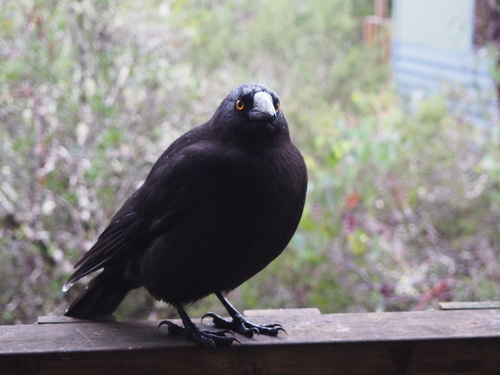 Black Currawong
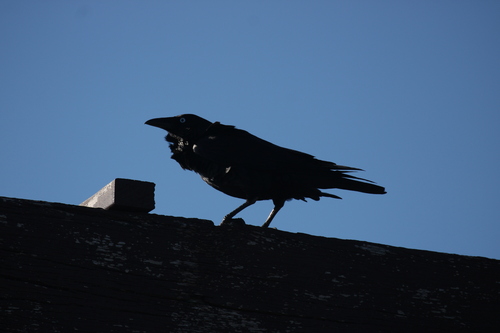 Australian Raven
In breve
Il modo più affidabile per separare il Black Currawong dall'Australian Raven è la presenza di macchie bianche audaci sulle ali e sulla coda del currawong, visibili in tutte le età e particolarmente sorprendenti in volo; il corvo è completamente nero senza alcun bianco nelle ali o nella coda. Anche il colore degli occhi è diagnostico in tutte le età: il Black Currawong ha iridi gialle brillanti, mentre gli Australian Ravens adulti hanno iridi bianche (i giovani hanno occhi più scuri). La struttura differisce: i currawong hanno un becco più pesante e un aspetto leggermente più corto e robusto, mentre i corvi sono più massicci nel complesso e hanno una coda a forma di cuneo. Entrambi sono grandi uccelli neri simili a corvi, ma il currawong è endemico della Tasmania e delle isole vicine, mentre il corvo è diffuso nel continente australiano.
Consigli di identificazione
- Macchie bianche sulle ali e sulla coda (tutte le età, tutte le stagioni): Il Black Currawong mostra sempre bianco alle punte delle ali e della coda, formando un chiaro bordo bianco in volo e macchie bianche visibili quando è posato. L'Australian Raven è completamente nero in queste aree.
- Colore degli occhi (tutte le età, ma soprattutto gli adulti): Il Black Currawong ha iridi gialle brillanti in tutte le età. Gli Australian Ravens adulti hanno iridi bianche, ma i giovani hanno occhi scuri o nocciola, quindi fai attenzione ai giovani corvi.
- Forma e dimensione del becco: Il currawong ha un becco pesante e profondo con un leggero uncino, ma è proporzionalmente più corto rispetto al lungo, pesante e leggermente uncino del corvo. Il becco del corvo è più lungo della sua testa.
- Lucentezza e texture delle piume: Gli adulti dell'Australian Raven hanno una lucentezza blu-viola o verdognola sulle parti superiori, specialmente in buona luce. Il Black Currawong è nero opaco, a volte sbiadendo a un marrone scuro con l'usura, e manca della forte lucentezza.
- Collare della gola (adulti): Quando chiamano, gli Australian Ravens adulti mostrano lunghi collari della gola appuntiti, dando un aspetto barbuto. I currawong non hanno questa caratteristica.
- Piumaggio giovanile: I giovani currawong sono più marroni con una bocca gialla, ma mostrano ancora bianco nelle ali/nella coda. I giovani corvi sono più morbidi, marroni, privi di collari e possono avere una bocca rosata, ma sono completamente neri nelle ali e nella coda.
- Schema di volo: Il Black Currawong ha un volo ondulato e saltellante con evidenti lampi bianchi nelle ali. Il volo del corvo è più stabile, con ali larghe e una coda a forma di cuneo.
- Forma della coda: Il corvo ha una coda arrotondata a forma di cuneo, spesso evidente in volo. La coda del currawong è leggermente più corta e meno a forma di cuneo.
- Zampe e piedi: Entrambi hanno zampe nere forti, ma quelle del corvo sono particolarmente robuste e la tibia è completamente piumata.
- Habitat e distribuzione: Se ti trovi in Tasmania o nelle isole dello Stretto di Bass, un grande uccello nero con bianco nelle ali è un currawong. Nel continente australiano, i corvi sono molto più probabili.
- Comportamento di gruppo: I currawong possono radunarsi in grandi stormi, specialmente al di fuori della stagione riproduttiva, e spesso si impegnano in comportamenti giocosi o sociali. I corvi sono più spesso solitari o in piccoli gruppi.
- Vocalizzazioni: Il richiamo del currawong è distintivo e non somiglia ai lamenti o ai grugniti prolungati del corvo. Usa la voce come indizio di supporto.
- Contesto con altre specie: Se vedi un uccello associarsi a butcherbirds o gazze, è più probabile che sia un currawong; i corvi sono più spesso con altri corvidi.
- Usura del piumaggio: Entrambe le specie possono apparire più marroni quando le piume sono usurate, ma solo il currawong mostrerà mai bianco nelle ali/nella coda.
- Trappole: Fai attenzione ai giovani corvi con occhi scuri e piumaggio marrone; controlla la presenza di bianco nelle ali/nella coda e il colore degli occhi per confermare il currawong.
Taglia
L'Australian Raven è significativamente più pesante (massa media dell'adulto ~630 g) e ha un'apertura alare più lunga (circa 100 cm) rispetto al Black Currawong (massa media dell'adulto ~377 g, apertura alare ~80 cm). Entrambe le specie sono simili in lunghezza (currawong ~50 cm, corvo 46–53 cm), ma il corvo è più massiccio e robusto nel complesso. Sul campo, a meno che entrambi non siano visti fianco a fianco, la dimensione da sola non è sempre affidabile a causa di sovrapposizioni e differenze di postura.
Piumaggio
Per tutte le età, il Black Currawong mostra chiare macchie bianche sulle punte delle ali e delle piume della coda, formando un bordo bianco e un arco pallido attraverso le basi delle primarie, particolarmente evidente in volo. I currawong immaturi sono più marroni e hanno una bocca gialla fino all'età di due anni, ma mostrano ancora le marcature bianche sulle ali/sulla coda. L'Australian Raven è completamente nero senza bianco nelle ali o nella coda a qualsiasi età. I corvi adulti hanno parti superiori lucide con una lucentezza blu-viola o verdognola, e i loro collari della gola (piume lunghe e appuntite) possono essere visti quando chiamano. I giovani corvi mancano di questi collari e hanno un piumaggio più morbido e marrone con una bocca rosata e occhi scuri. Il colore degli occhi è un forte indicatore di età: gli occhi del currawong sono sempre gialli, mentre gli occhi del corvo cambiano da blu-grigio (nido), a marrone (giovanile), a nocciola, e infine a bianco (adulto). L'iride bianca dei corvi adulti non è così brillante come quella gialla del currawong e può essere difficile da vedere a distanza.
Comportamento
I Black Currawongs spesso alzano le loro code quando atterrano e possono essere visti in comportamenti giocosi o sociali, a volte in grandi stormi. Il loro volo è ondulato, in sintonia con i battiti delle ali, e le macchie bianche sulle ali lampeggiano in modo evidente. Gli Australian Ravens hanno un volo più stabile e diretto con ali larghe e una coda a forma di cuneo. I corvi possono apparire più solitari o in piccoli gruppi, e la loro postura è più eretta e robusta. Entrambe le specie possono essere viste cercando cibo a terra, ma i currawong sono più propensi a essere visti mentre manipolano oggetti o si impegnano in giochi sociali.
Habitat
Il Black Currawong è limitato alla Tasmania e alle vicine isole dello Stretto di Bass, raramente se mai si verifica nel continente australiano. Si trova in una varietà di habitat tasmaniani, spesso in aree boschive o montuose. L'Australian Raven è diffuso nel continente australiano ed è assente dalla Tasmania. Occupa una vasta gamma di habitat, tra cui boschi aperti, aree urbane e terreni agricoli. Pertanto, la posizione è un forte indizio: un grande uccello nero con bianco nelle ali in Tasmania è quasi certamente un Black Currawong.
Voce
Il Black Currawong ha un richiamo distintivo, molto diverso da quello del corvo. La voce del currawong non è descritta in dettaglio qui, ma è notata come diversa da quella del corvo. L'Australian Raven è famoso per i suoi richiami prolungati e lamentosi e può anche produrre una varietà di grugniti e urla aspre. La voce può essere utile, ma è meno affidabile rispetto al piumaggio e alla struttura per una rapida separazione sul campo.
Black Currawong · Australian Raven · I miei uccelli difficili