

formigueiro-preto-e-branco vs formigueiro-cinza
Myrmochanes hemileucus versus Myrmelastes schistaceus
Jogue um quiz com formigueiro-preto-e-branco e formigueiro-cinza
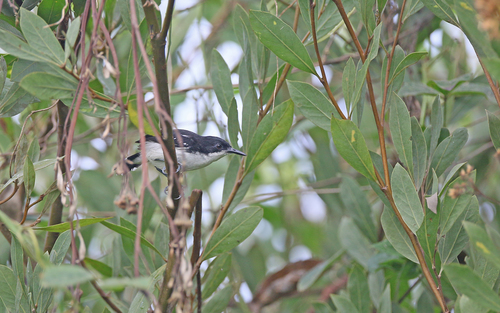 formigueiro-preto-e-branco
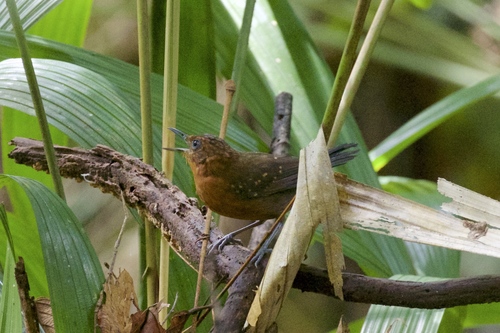 formigueiro-cinza
Em resumo
A marca de campo mais confiável entre o formigueiro-preto-e-branco e o formigueiro-cinza é a cor e o tamanho do corpo: o formigueiro-preto-e-branco é distintamente menor e com um padrão nítido em preto e branco, enquanto o formigueiro-cinza é maior e muito mais uniformemente cinza-ardósia (macho) ou rufo/oliva (fêmea). Em todas as idades, o formigueiro-preto-e-branco apresenta um contraste impressionante em preto e branco na cabeça e nas partes inferiores, enquanto o formigueiro-cinza não possui esse padrão nítido. As fêmeas são especialmente fáceis de separar: as fêmeas do formigueiro-preto-e-branco são preto e branco com um pouco de buff abaixo, enquanto as fêmeas do formigueiro-cinza são rufo abaixo com uma coroa castanha e partes superiores oliva-marrom. Ambas as espécies têm um pouco de branco nas coberturas das asas, mas a impressão geral e a estrutura são bastante diferentes.
Dicas de identificação
- Tamanho e estrutura: O formigueiro-preto-e-branco é muito menor e mais compacto, com uma cauda mais curta e mais graduada. O formigueiro-cinza é mais robusto e com cauda mais longa. Use isso quando você tiver uma boa visão das proporções.
- Plumagem do macho: Os machos do formigueiro-preto-e-branco são nitidamente pretos acima e brancos abaixo, com um contraste claro. Os machos do formigueiro-cinza são uniformemente cinza ardósia acima e abaixo, sem branco nas partes inferiores.
- Plumagem da fêmea: As fêmeas do formigueiro-preto-e-branco são preto e branco com um pouco de buff abaixo, nunca rufo. As fêmeas do formigueiro-cinza são rufo abaixo, com uma coroa castanha e partes superiores oliva-marrom—muito diferentes de qualquer formigueiro-preto-e-branco.
- Padrão das coberturas das asas: Ambas as espécies têm um pouco de branco nas coberturas das asas, mas no formigueiro-preto-e-branco é escasso e sutil, enquanto nas fêmeas do formigueiro-cinza é amplo e buff ocre, e nos machos são pequenas manchas brancas. No campo, as coberturas de ponta clara da fêmea do formigueiro-cinza são muito mais óbvias.
- Padrão da cauda: Ambas têm penas da cauda com ponta branca, mas a cauda do formigueiro-preto-e-branco é mais curta e mais graduada, enquanto a do formigueiro-cinza é mais longa e mais uniforme.
- Bico: O formigueiro-preto-e-branco tem um bico longo, esbelto e preto. Os machos do formigueiro-cinza têm um bico preto, mas as fêmeas apresentam uma maxila cinza e uma mandíbula preta. Isso é sutil e pode não ser visível no campo.
- Cor das pernas: Ambas têm pernas acinzentadas, mas as do formigueiro-cinza são descritas como chumbo a cinza azulado, que pode ser ligeiramente mais claro do que o cinza do formigueiro-preto-e-branco.
- Habitat e altura de forrageio: O formigueiro-preto-e-branco geralmente está em emaranhados densos de cipós a 1–4 m acima do solo, raramente no chão. O formigueiro-cinza está principalmente no chão ou perto dele, muitas vezes em litter de folhas ou em ramos baixos.
- Comportamento: O formigueiro-preto-e-branco forrageia ativamente em pares ou grupos familiares, nunca em bandos de espécies mistas. O formigueiro-cinza é mais solitário ou em pequenos grupos, às vezes em enxames de formigas do exército.
- Voz: Se você ouvir uma série acelerada e descendente de notas ocos e melódicas (frequentemente um dueto), é o formigueiro-preto-e-branco. As vocalizações do formigueiro-cinza são menos bem descritas aqui.
- Distribuição geográfica: Ambas se sobrepõem amplamente na Amazônia ocidental, mas o formigueiro-preto-e-branco também é encontrado na Bolívia.
- Contexto: Se você ver um pequeno formigueiro-preto-e-branco com marcas nítidas em preto e branco em cipós densos acima do solo, é quase certamente um formigueiro-preto-e-branco. Se for maior, cinza ou rufo, e no chão ou em um enxame de formigas, é um formigueiro-cinza.
- Armadilhas: Cuidado ao assumir que qualquer formigueiro com branco nas coberturas das asas é um formigueiro-preto-e-branco; verifique a cor e o tamanho do corpo. Os tons rufo e oliva da fêmea do formigueiro-cinza nunca são igualados pelo formigueiro-preto-e-branco.
- Confusão de idade/sexo: Nenhum padrão de asa juvenil distinto é descrito, mas os tons rufo e ocre da fêmea e do imaturo do formigueiro-cinza são sempre uma indicação.
- Quando em dúvida: Foque no tamanho geral, na cor do corpo (especialmente nas partes inferiores) e na altura/contexto de forrageio para a separação mais confiável.
Tamanho
O formigueiro-preto-e-branco é muito menor e mais leve, medindo 10–12,2 cm de comprimento e pesando cerca de 12,5 g [wikidata]. O formigueiro-cinza é visivelmente maior, com 14,5–15,5 cm e 19–28,5 g [wikipedia]. No campo, essa diferença de tamanho é bastante aparente se você tiver uma boa visão ou vê-los perto um do outro. O formigueiro-preto-e-branco também parece mais compacto, com uma cauda mais curta e mais graduada, enquanto o formigueiro-cinza é mais robusto e com cauda mais longa.
Plumagem
-
Padrão de asa juvenil/imaturo: Nenhum padrão de asa específico para a idade é descrito para ambas as espécies, mas ambas têm um pouco de branco nas coberturas das asas. No formigueiro-preto-e-branco (todas as idades), o branco é escasso e limitado às pontas das coberturas, em contraste com asas de outra forma pretas. No formigueiro-cinza, os machos têm pequenas manchas brancas nas pontas das coberturas das asas em asas de cinza escuro, enquanto as fêmeas têm pontas largas de buff ocre nas coberturas contra asas oliva-marrom. Isso significa que em voo ou empoleiradas, as coberturas das asas da fêmea do formigueiro-cinza são muito mais conspicuamente de ponta clara do que o sutil branco no formigueiro-preto-e-branco.
-
Machos adultos: Os machos do formigueiro-preto-e-branco são strikingly pretos acima (face, coroa, nuca, partes superiores) com uma garganta e partes inferiores brancas, às vezes com buff nas flancos e barriga. As asas são pretas com pontas brancas escassas, e a cauda é preta com pontas brancas. Os machos do formigueiro-cinza são uniformemente cinza azulado ou cinza ardósia, com asas e cauda cinza escuro, e pequenas manchas brancas nas pontas das coberturas das asas. As partes inferiores também são cinza ardósia, sem qualquer branco.
-
Fêmeas adultas: As fêmeas do formigueiro-preto-e-branco se assemelham aos machos, mas têm manchas brancas nas lores e mais buff na barriga e nas coberturas da cauda. As fêmeas do formigueiro-cinza são dramaticamente diferentes: elas têm uma coroa castanha escura com finas listras rufas, costas e asas oliva-marrom com largas pontas de buff ocre nas coberturas, uma cauda cinza ardósia, e face e partes inferiores rufo ou rufo. Essa coloração rufo nunca é mostrada pelo formigueiro-preto-e-branco.
-
Cauda: Ambas as espécies têm um pouco de branco nas pontas da cauda, mas a cauda do formigueiro-preto-e-branco é mais curta e mais graduada, enquanto a do formigueiro-cinza é mais longa e mais uniforme.
-
Bico e pernas: O formigueiro-preto-e-branco tem um bico longo, esbelto e preto e pernas cinzas; os machos do formigueiro-cinza têm um bico preto, as fêmeas têm uma maxila cinza e uma mandíbula preta, e ambos os sexos têm pernas chumbo a cinza azulado.
Comportamento
O formigueiro-preto-e-branco forrageia ativamente em pares ou grupos familiares, raramente sozinho, e nunca se junta a bandos de espécies mistas. Ele prefere emaranhados de cipós e sub-bosque denso, geralmente a 1–4 m acima do solo, mas às vezes mais alto, e frequentemente se lança ou salta após presas de um poleiro. O formigueiro-cinza forrageia sozinho, em pares ou pequenos grupos familiares, principalmente a menos de 1 m do chão, e às vezes se junta a enxames de formigas do exército. Ele salta pelo chão e ramos baixos, pegando presas do litter de folhas ou vegetação baixa. O formigueiro-preto-e-branco é mais arbóreo e ativo no meio do sub-bosque, enquanto o formigueiro-cinza é mais terrestre e orientado ao solo.
Habitat
Ambas as espécies ocorrem na Amazônia ocidental (Brasil, Colômbia, Equador, Peru), mas o formigueiro-preto-e-branco também é encontrado na Bolívia. O formigueiro-preto-e-branco está intimamente associado a florestas de Cecropia e emaranhados de cipós no sub-bosque, muitas vezes em vegetação densa e emaranhada. O formigueiro-cinza é mais típico do chão da floresta de planície e do sub-bosque inferior, muitas vezes perto do chão e às vezes em enxames de formigas do exército. Se você ver um pequeno formigueiro-preto-e-branco em cipós densos acima do solo, é provável que seja um formigueiro-preto-e-branco; um formigueiro maior, cinza ou rufo no chão ou perto dele é provavelmente um formigueiro-cinza.
Voz
A canção do formigueiro-preto-e-branco é uma série acelerada e descendente de notas ocos e melódicas, frequentemente cantada como um dueto com a voz da fêmea em um tom mais agudo. Os chamados incluem notas ocos melódicas, um rápido chocalho musical e notas curtas como 'peu' e 'tuk-et'. As vocalizações do formigueiro-cinza não são detalhadas nas notas, então a voz não é um separador confiável, a menos que você conheça a distinta canção melódica do formigueiro-preto-e-branco.
formigueiro-preto-e-branco · formigueiro-cinza · Minhas aves difíceis