

Motmot

シロクロアリドリ 対 クリガシラアリドリ

Myrmochanes hemileucus 対 Myrmelastes schistaceus

シロクロアリドリとクリガシラアリドリのクイズ
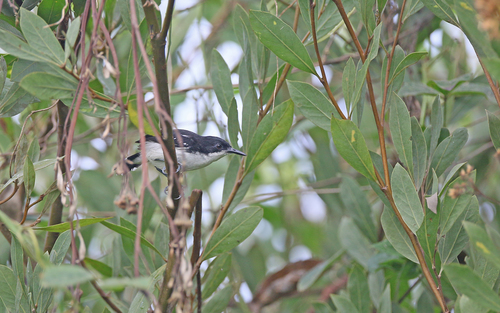
シロクロアリドリ (Myrmochanes hemileucus) シロクロアリドリ
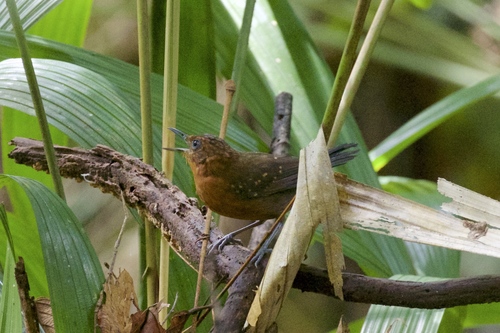
クリガシラアリドリ (Myrmelastes schistaceus) クリガシラアリドリ

メディア

読み込み中…

要点

シロクロアリドリとクリガシラアリドリの最も信頼できるフィールドマークは、全体的な体色とサイズです:シロクロアリドリは明らかに小さく、黒と白の鋭い模様を持っているのに対し、クリガシラアリドリは大きく、はるかに均一なスレートグレー(オス)またはルフォス/オリーブ(メス)です。すべての年齢において、シロクロアリドリは頭部と腹部に際立った黒と白のコントラストを示しますが、クリガシラアリドリはこの鮮明な模様が欠けています。メスは特に分けやすいです:シロクロアリドリのメスは黒と白で、下に少しバフがありますが、クリガシラアリドリのメスは下がルフォスで、栗色の冠とオリーブブラウンの上部を持っています。両種とも翼の覆羽に白がありますが、全体的な印象と構造はかなり異なります。

識別のコツ

  1. Size and structure: シロクロアリドリははるかに小さく、よりコンパクトで、尾が短く、より段階的です。クリガシラアリドリはより大きく、尾が長いです。比率をよく見るときにこれを使用してください。
  2. Male plumage: シロクロアリドリのオスは上が鋭い黒で下が白、明確なコントラストがあります。クリガシラアリドリのオスは上も下も均一にスレートグレーで、腹部に白がありません。
  3. Female plumage: シロクロアリドリのメスは黒と白で、下にバフがあり、決してルフォスではありません。クリガシラアリドリのメスは下がルフォスで、栗色の冠とオリーブブラウンの上部を持っており、シロクロアリドリとは非常に異なります。
  4. Wing covert pattern: 両種とも翼の覆羽に白がありますが、シロクロアリドリではそれがまばらで微妙ですが、クリガシラアリドリのメスでは広くオクラ色のバフで、オスでは小さな白い斑点があります。フィールドでは、メスのクリガシラアリドリの淡い先端の覆羽がはるかに目立ちます。
  5. Tail pattern: 両方とも白い先端の尾羽がありますが、シロクロアリドリの尾は短く、より段階的で、クリガシラアリドリの尾は長く、より均一です。
  6. Bill: シロクロアリドリは長く、細い黒いくちばしを持っています。クリガシラアリドリのオスは黒いくちばしを持っていますが、メスは灰色の上顎と黒い下顎を示します。これは微妙で、フィールドでは見えないかもしれません。
  7. Leg color: 両方とも灰色がかった脚を持っていますが、クリガシラアリドリの脚は鉛色から青灰色と説明されており、シロクロアリドリの灰色よりも少し明るいかもしれません。
  8. Habitat and foraging height: シロクロアリドリは通常、地面から1〜4メートルの密なつる植物の中にいて、めったに地面にはいません。クリガシラアリドリは主に地面の上または近くにいて、しばしば落ち葉や低い枝の中にいます。
  9. Behavior: シロクロアリドリはペアまたは家族グループで活発に採餌し、決して混合種の群れには参加しません。クリガシラアリドリはより孤独であったり、小さなグループで行動し、時にはアリの群れにいます。
  10. Voice: 加速し、下降する一連の空洞で笛のような音(しばしばデュエット)を聞いたら、それはシロクロアリドリです。クリガシラアリドリの声はここではあまり詳しく説明されていません。
  11. Geographic range: 両種は西アマゾンで広く重なっていますが、シロクロアリドリはボリビアでも見られます。
  12. Context: 地面の上の密なつる植物の中で小さく、鋭く模様のある黒と白のアリドリを見たら、それはほぼ確実にシロクロアリドリです。もしそれが大きく、灰色またはルフォスで、地面やアリの群れにいるなら、それはクリガシラアリドリです。
  13. Pitfalls: 翼の覆羽に白があるアリドリがシロクロアリドリであると仮定しないように注意してください;全体的な体色とサイズを確認してください。クリガシラアリドリのルフォスとオリーブのトーンは、シロクロアリドリでは決して一致しません。
  14. Age/sex confusion: 特徴的な幼鳥の翼模様は説明されていませんが、クリガシラアリドリのメスと未熟な個体のルフォスとオクラ色のトーンは常に手がかりになります。
  15. When in doubt: 最も信頼できる分離のために、全体的なサイズ、体色(特に腹部)、および採餌の高さ/文脈に焦点を当ててください。

大きさ

シロクロアリドリははるかに小さく、軽量で、長さは10〜12.2 cm、重さは約12.5 gです [wikidata]。クリガシラアリドリは明らかに大きく、14.5〜15.5 cm、19〜28.5 gです [wikipedia]。フィールドでは、このサイズの違いは、良い視界があれば、または近くで見ると非常に明らかです。シロクロアリドリはまた、よりコンパクトに見え、尾が短く、より段階的ですが、クリガシラアリドリはより大きく、尾が長いです。

羽色

行動

シロクロアリドリはペアまたは家族グループで活発に採餌し、めったに単独では行動せず、決して混合種の群れには参加しません。彼らはつる植物の絡まりと密な下層を好み、通常は地面から1〜4メートルの高さにいますが、時にはそれより高く、しばしば止まり木から獲物に向かって飛びかかります。クリガシラアリドリは単独、ペア、または小さな家族グループで採餌し、主に地面から1メートル以内で、時にはアリの群れに参加します。彼らは地面や低い枝の上を跳ねながら、落ち葉や低い植物から獲物を拾います。シロクロアリドリはより樹上性で中層で活発ですが、クリガシラアリドリはより地上性で地面指向です。

生息環境

両種は西アマゾン(ブラジル、コロンビア、エクアドル、ペルー)に生息していますが、シロクロアリドリはボリビアでも見られます。シロクロアリドリは、下層のセクロピアの森やつる植物の絡まりに密接に関連しており、しばしば密で絡まった植生の中にいます。クリガシラアリドリは、低地の森林の床や下層の典型的なもので、しばしば地面の近くにいて、時にはアリの群れにいます。地面の上の密なつる植物の中で小さな黒と白のアリドリを見たら、それはおそらくシロクロアリドリです;大きく、灰色またはルフォスのアリドリが地面の上または近くにいるなら、それはおそらくクリガシラアリドリです。

声

シロクロアリドリの歌は、加速し、下降する一連の空洞で笛のような音で、しばしばメスの声が高音でデュエットとして歌われます。呼び声には空洞の笛のような音、急速な音楽的ラトル、'peu'や'tuk-et'のような短い音が含まれます。クリガシラアリドリの声はノートに詳しく説明されていないため、声は信頼できる分離要因ではありません、シロクロアリドリの特徴的な笛のような歌を知っている場合を除いて。

より良い説明を送る

比較と同じ項目を使ってください。文章はすぐに公開されます。

The most reliable field mark between Black-and-white Antbird and Slate-coloured Antbird is overall body color and size: Black-and-white Antbird is distinctly smaller and sharply patterned in black and white, while Slate-coloured Antbird is larger and much more uniformly slate-gray (male) or rufous/olive (female). In all ages, Black-and-white Antbird shows a striking black-and-white contrast on the head and underparts, whereas Slate-coloured Antbird lacks this crisp patterning. Females are especially easy to separate: Black-and-white Antbird females are black-and-white with some buff below, while Slate-coloured Antbird females are rufous below with a chestnut crown and olive-brown upperparts. Both species have some white on the wing coverts, but the overall impression and structure are quite different.

  1. Size and structure: Black-and-white Antbird is much smaller and more compact, with a shorter, more graduated tail. Slate-coloured Antbird is bulkier and longer-tailed. Use this when you have a good view of proportions.
  2. Male plumage: Black-and-white Antbird males are sharply black above and white below, with a clear contrast. Slate-coloured Antbird males are uniformly slate gray above and below, lacking any white on the underparts.
  3. Female plumage: Black-and-white Antbird females are black-and-white with some buff below, never rufous. Slate-coloured Antbird females are rufous below, with a chestnut crown and olive-brown upperparts—very different from any Black-and-white Antbird.
  4. Wing covert pattern: Both species have some white on the wing coverts, but in Black-and-white Antbird it's sparse and subtle, while in Slate-coloured Antbird females it's broad and ochraceous buff, and in males it's small white spots. In the field, the female Slate-coloured's pale-tipped coverts are much more obvious.
  5. Tail pattern: Both have white-tipped tail feathers, but Black-and-white Antbird's tail is shorter and more graduated, while Slate-coloured's is longer and more even.
  6. Bill: Black-and-white Antbird has a long, slender, black bill. Slate-coloured Antbird males have a black bill, but females show a gray maxilla and black mandible. This is subtle and may not be visible in the field.
  7. Leg color: Both have grayish legs, but Slate-coloured Antbird's are described as leaden to bluish gray, which may be slightly paler than Black-and-white's gray.
  8. Habitat and foraging height: Black-and-white Antbird is usually in dense vine tangles 1–4 m above ground, rarely on the ground. Slate-coloured Antbird is mostly on or near the ground, often in leaf litter or low branches.
  9. Behavior: Black-and-white Antbird forages actively in pairs or family groups, never in mixed-species flocks. Slate-coloured Antbird is more solitary or in small groups, sometimes at army ant swarms.
  10. Voice: If you hear an accelerating, descending series of hollow, piping notes (often a duet), it's Black-and-white Antbird. Slate-coloured Antbird's vocalizations are less well described here.
  11. Geographic range: Both overlap widely in the western Amazon, but Black-and-white Antbird is also found in Bolivia.
  12. Context: If you see a small, sharply marked black-and-white antbird in dense vines above the ground, it's almost certainly Black-and-white. If it's larger, gray or rufous, and on the ground or at an ant swarm, it's Slate-coloured.
  13. Pitfalls: Beware of assuming any antbird with white on the wing coverts is Black-and-white; check the overall body color and size. Female Slate-coloured Antbird's rufous and olive tones are never matched by Black-and-white Antbird.
  14. Age/sex confusion: No distinctive juvenile wing patterns are described, but the female and immature Slate-coloured Antbird's rufous and ochraceous tones are always a giveaway.
  15. When in doubt: Focus on overall size, body color (especially underparts), and foraging height/context for the most reliable separation.

Black-and-white Antbird is much smaller and lighter, measuring 10–12.2 cm in length and weighing about 12.5 g [wikidata]. Slate-coloured Antbird is noticeably larger, at 14.5–15.5 cm and 19–28.5 g [wikipedia]. In the field, this size difference is quite apparent if you have a good view or see them near each other. Black-and-white Antbird also appears more compact with a shorter, more graduated tail, while Slate-coloured Antbird is bulkier and longer-tailed.

  • Juvenile/immature wing pattern: No detailed age-specific upperwing pattern is described for either species, but both have some white on the wing coverts. In Black-and-white Antbird (all ages), the white is sparse and limited to tips of the coverts, set against otherwise black wings. In Slate-coloured Antbird, males have small white spots at the tips of the wing coverts on otherwise blackish gray wings, while females have wide ochraceous buff tips on the coverts against olive-brown wings. This means that in flight or perched, the female Slate-coloured Antbird's wing coverts are much more conspicuously pale-tipped than the subtle white on Black-and-white Antbird.

  • Adult males: Black-and-white Antbird males are strikingly black above (face, crown, nape, upperparts) with a white throat and underparts, sometimes with buff on the flanks and belly. Wings are black with sparse white tips, and the tail is black with white tips. Slate-coloured Antbird males are uniformly dark bluish gray or slate gray, with blackish gray wings and tail, and small white spots at the tips of the wing coverts. Underparts are also slate gray, lacking any white.

  • Adult females: Black-and-white Antbird females resemble males but have white spots on the lores and more buff on the belly and undertail coverts. Slate-coloured Antbird females are dramatically different: they have a dark chestnut crown with thin rufous streaks, olive-brown back and wings with wide ochraceous buff tips on the coverts, a slate gray tail, and orangish rufous or rufous face and underparts. This rufous coloration is never shown by Black-and-white Antbird.

  • Tail: Both species have some white at the tail tips, but Black-and-white Antbird's tail is shorter and more graduated, while Slate-coloured Antbird's is longer and more even.

  • Bill and legs: Black-and-white Antbird has a long, slender, black bill and gray legs; Slate-coloured Antbird males have a black bill, females have a gray maxilla and black mandible, and both sexes have leaden to bluish gray legs.

Black-and-white Antbird forages actively in pairs or family groups, rarely singly, and never joins mixed-species flocks. It prefers vine tangles and dense understory, usually 1–4 m above ground but sometimes higher, and often lunges or sallies after prey from a perch. Slate-coloured Antbird forages alone, in pairs, or small family groups, mostly within 1 m of the ground, and sometimes joins army ant swarms. It hops along the ground and low branches, picking prey from leaf litter or low vegetation. Black-and-white Antbird is more arboreal and active in the mid-understory, while Slate-coloured Antbird is more terrestrial and ground-oriented.

Both species occur in the western Amazon (Brazil, Colombia, Ecuador, Peru), but Black-and-white Antbird is also found in Bolivia. Black-and-white Antbird is closely associated with Cecropia woods and vine tangles in the understory, often in dense, tangled vegetation. Slate-coloured Antbird is more typical of lowland forest floor and lower understory, often near the ground and sometimes at army ant swarms. If you see a small, black-and-white antbird in dense vines above the ground, it's likely Black-and-white; a larger, gray or rufous antbird on or near the ground is likely Slate-coloured.

Black-and-white Antbird's song is an accelerating, descending series of hollow, piping notes, often sung as a duet with the female's voice higher pitched. Calls include hollow piping notes, a rapid musical rattle, and short notes like 'peu' and 'tuk-et'. Slate-coloured Antbird's vocalizations are not detailed in the notes, so voice is not a reliable separator unless you know the Black-and-white's distinctive piping song.

変更を破棄しますか?

保存していない編集があります。今離れると失われます。

シロクロアリドリ · クリガシラアリドリ · 苦手な鳥