

Zwart-witte mierkruiper vs Leigrijze miervogel
Myrmochanes hemileucus versus Myrmelastes schistaceus
Speel een quiz met Zwart-witte mierkruiper en Leigrijze miervogel
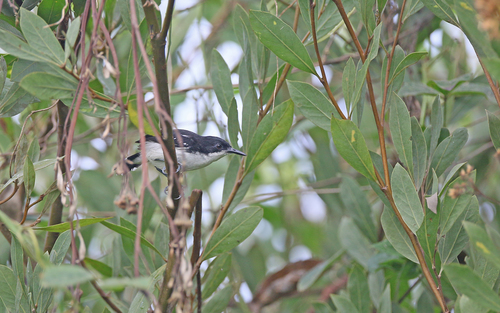 Zwart-witte mierkruiper
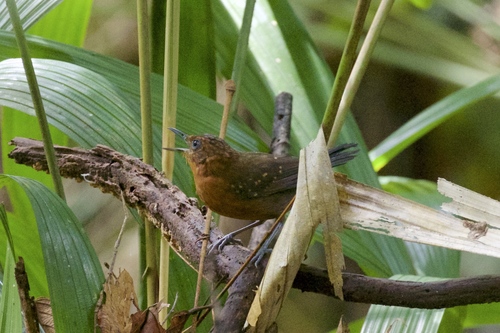 Leigrijze miervogel
Kort gezegd
Het meest betrouwbare veldkenmerk tussen Zwart-witte mierkruiper en Leigrijze miervogel is de algemene lichaamskleur en grootte: Zwart-witte mierkruiper is duidelijk kleiner en scherp gemarkeerd in zwart en wit, terwijl Leigrijze miervogel groter is en veel meer uniform leigrijs (mannetje) of roestkleurig/olijf (vrouwtje). In alle leeftijden toont Zwart-witte mierkruiper een opvallend zwart-wit contrast op het hoofd en de onderdelen, terwijl Leigrijze miervogel dit scherpe patroon mist. Vrouwtjes zijn vooral gemakkelijk te scheiden: Vrouwtjes van Zwart-witte mierkruiper zijn zwart-wit met wat buff onder, terwijl vrouwtjes van Leigrijze miervogel roestkleurig onder zijn met een kastanjebruine kroon en olijfbruin bovenlichaam. Beide soorten hebben wat wit op de vleugelbedekking, maar de algemene indruk en structuur zijn behoorlijk verschillend.
Herkenningstips
- Grootte en structuur: Zwart-witte mierkruiper is veel kleiner en compacter, met een kortere, meer geleidelijke staart. Leigrijze miervogel is robuuster en langerstaartiger. Gebruik dit wanneer je een goed zicht hebt op de verhoudingen.
- Mannetjespluim: Mannetjes van Zwart-witte mierkruiper zijn scherp zwart boven en wit onder, met een duidelijk contrast. Mannetjes van Leigrijze miervogel zijn uniform leigrijs boven en onder, zonder wit op de onderdelen.
- Vrouwtjespluim: Vrouwtjes van Zwart-witte mierkruiper zijn zwart-wit met wat buff onder, nooit roestkleurig. Vrouwtjes van Leigrijze miervogel zijn roestkleurig onder, met een kastanjebruine kroon en olijfbruin bovenlichaam—zeer verschillend van enige Zwart-witte mierkruiper.
- Patroon van de vleugelbedekking: Beide soorten hebben wat wit op de vleugelbedekking, maar bij Zwart-witte mierkruiper is het schaars en subtiel, terwijl het bij vrouwtjes van Leigrijze miervogel breed en ochraceus buff is, en bij mannetjes kleine witte vlekken zijn. In het veld zijn de lichtgetipte bedekkingen van de vrouwtjes Leigrijze veel opvallender.
- Staartpatroon: Beide hebben witgetipte staartveren, maar de staart van Zwart-witte mierkruiper is korter en meer geleidelijk, terwijl die van Leigrijze langer en gelijkmatiger is.
- Snavel: Zwart-witte mierkruiper heeft een lange, slanke, zwarte snavel. Mannetjes van Leigrijze miervogel hebben een zwarte snavel, maar vrouwtjes tonen een grijze bovenkaak en zwarte onderkaak. Dit is subtiel en mogelijk niet zichtbaar in het veld.
- Kleur van de poten: Beide hebben grijzige poten, maar de poten van Leigrijze miervogel worden beschreven als loodgrijs tot blauwachtig grijs, wat iets lichter kan zijn dan die van Zwart-witte.
- Habitat en foerageerhoogte: Zwart-witte mierkruiper bevindt zich meestal in dichte wijnrankentangles 1–4 m boven de grond, zelden op de grond. Leigrijze miervogel bevindt zich meestal op of nabij de grond, vaak in bladeren of lage takken.
- Gedrag: Zwart-witte mierkruiper foerageert actief in paren of familiegroepen, nooit in gemengde soorten zwermen. Leigrijze miervogel is meer solitair of in kleine groepen, soms bij leger van legerameisen.
- Stem: Als je een versnellende, dalende reeks holle, fluitende noten hoort (vaak een duet), is het Zwart-witte mierkruiper. De vocalisaties van Leigrijze miervogel zijn hier minder goed beschreven.
- Geografisch bereik: Beide overlappen breed in het westelijke Amazonegebied, maar Zwart-witte mierkruiper wordt ook in Bolivia aangetroffen.
- Context: Als je een kleine, scherp gemarkeerde zwart-witte mierkruiper in dichte wijnranken boven de grond ziet, is het bijna zeker Zwart-witte. Als het groter, grijs of roestkleurig is, en op de grond of bij een leger van legerameisen, is het Leigrijze.
- Valkuilen: Pas op met de aanname dat elke mierkruiper met wit op de vleugelbedekking Zwart-witte is; controleer de algemene lichaamskleur en grootte. De roestkleurige en olijftonen van vrouwtjes Leigrijze miervogel worden nooit geëvenaard door Zwart-witte mierkruiper.
- Verwarring door leeftijd/geslacht: Er zijn geen onderscheidende juvenile vleugelpatronen beschreven, maar de roestkleurige en ochraceuze tonen van de vrouwtjes en onvolwassen Leigrijze miervogel zijn altijd een aanwijzing.
- Bij twijfel: Focus op de algemene grootte, lichaamskleur (vooral onderdelen), en foerageerhoogte/context voor de meest betrouwbare scheiding.
Grootte
Zwart-witte mierkruiper is veel kleiner en lichter, met een lengte van 10–12,2 cm en een gewicht van ongeveer 12,5 g [wikidata]. Leigrijze miervogel is merkbaar groter, met 14,5–15,5 cm en 19–28,5 g [wikipedia]. In het veld is dit grootteverschil behoorlijk duidelijk als je een goed zicht hebt of ze dicht bij elkaar ziet. Zwart-witte mierkruiper lijkt ook compacter met een kortere, meer geleidelijke staart, terwijl Leigrijze miervogel robuuster en langerstaartiger is.
Verenkleed
-
Juveniele/onvolwassen vleugelpatroon: Er is geen gedetailleerd leeftijdspecifiek bovenste vleugelpatroon beschreven voor beide soorten, maar beide hebben wat wit op de vleugelbedekking. Bij Zwart-witte mierkruiper (alle leeftijden) is het wit schaars en beperkt tot de tips van de bedekkingen, tegen anderszins zwarte vleugels. Bij Leigrijze miervogel hebben mannetjes kleine witte vlekken aan de tips van de vleugelbedekkingen op anderszins zwartachtige grijze vleugels, terwijl vrouwtjes brede ochraceus buff tips op de bedekkingen hebben tegen olijfbruin vleugels. Dit betekent dat in vlucht of zittend, de vleugelbedekkingen van de vrouwtjes Leigrijze veel opvallender lichtgetipt zijn dan het subtiele wit op Zwart-witte mierkruiper.
-
Volwassen mannetjes: Mannetjes van Zwart-witte mierkruiper zijn opvallend zwart boven (gezicht, kroon, nek, bovenlichaam) met een witte keel en onderdelen, soms met buff op de flanken en buik. Vleugels zijn zwart met schaars witte tips, en de staart is zwart met witte tips. Mannetjes van Leigrijze miervogel zijn uniform donker blauwachtig grijs of leigrijs, met zwartachtige grijze vleugels en staart, en kleine witte vlekken aan de tips van de vleugelbedekkingen. Onderste delen zijn ook leigrijs, zonder enige wit.
-
Volwassen vrouwtjes: Vrouwtjes van Zwart-witte mierkruiper lijken op mannetjes maar hebben witte vlekken op de snorharen en meer buff op de buik en onderstaartbedekkingen. Vrouwtjes van Leigrijze miervogel zijn dramatisch verschillend: ze hebben een donkere kastanjebruine kroon met dunne roestkleurige strepen, olijfbruin rug en vleugels met brede ochraceus buff tips op de bedekkingen, een leigrijze staart, en oranje-roestkleurig of roestkleurig gezicht en onderdelen. Deze roestkleurige kleur wordt nooit getoond door Zwart-witte mierkruiper.
-
Staart: Beide soorten hebben wat wit aan de staarttips, maar de staart van Zwart-witte mierkruiper is korter en meer geleidelijk, terwijl die van Leigrijze langer en gelijkmatiger is.
-
Snavel en poten: Zwart-witte mierkruiper heeft een lange, slanke, zwarte snavel en grijze poten; mannetjes van Leigrijze miervogel hebben een zwarte snavel, vrouwtjes hebben een grijze bovenkaak en zwarte onderkaak, en beide geslachten hebben loodgrijze tot blauwachtige grijze poten.
Gedrag
Zwart-witte mierkruiper foerageert actief in paren of familiegroepen, zelden alleen, en voegt zich nooit bij gemengde soorten zwermen. Het geeft de voorkeur aan wijnrankentangles en dichte ondergroei, meestal 1–4 m boven de grond maar soms hoger, en duikt vaak of springt achter prooi aan vanuit een zitplaats. Leigrijze miervogel foerageert alleen, in paren, of kleine familiegroepen, meestal binnen 1 m van de grond, en voegt zich soms bij leger van legerameisen. Het huppelt over de grond en lage takken, pikt prooi uit bladeren of lage vegetatie. Zwart-witte mierkruiper is meer arboreaal en actief in de middenondergroei, terwijl Leigrijze miervogel meer terrestrisch en op de grond gericht is.
Habitat
Beide soorten komen voor in het westelijke Amazonegebied (Brazilië, Colombia, Ecuador, Peru), maar Zwart-witte mierkruiper wordt ook in Bolivia aangetroffen. Zwart-witte mierkruiper is nauw verbonden met Cecropia-bossen en wijnrankentangles in de ondergroei, vaak in dichte, verwarde vegetatie. Leigrijze miervogel is typischer voor de bodem van laaglandbossen en lagere ondergroei, vaak nabij de grond en soms bij leger van legerameisen. Als je een kleine, zwart-witte mierkruiper in dichte wijnranken boven de grond ziet, is het waarschijnlijk Zwart-witte; een grotere, grijze of roestkleurige mierkruiper op of nabij de grond is waarschijnlijk Leigrijze.
Geluid
Het lied van Zwart-witte mierkruiper is een versnellende, dalende reeks holle, fluitende noten, vaak gezongen als een duet met de hogere stem van het vrouwtje. Roepen omvatten holle fluitende noten, een snelle muzikale ratel, en korte noten zoals 'peu' en 'tuk-et'. De vocalisaties van Leigrijze miervogel zijn niet gedetailleerd in de aantekeningen, dus de stem is geen betrouwbare scheiding tenzij je het kenmerkende fluitende lied van Zwart-witte kent.
Zwart-witte mierkruiper · Leigrijze miervogel · Mijn lastige vogels