

marrequinha-formosa vs marreca-cricri
Sibirionetta formosa versus Spatula versicolor
Jogue um quiz com marrequinha-formosa e marreca-cricri
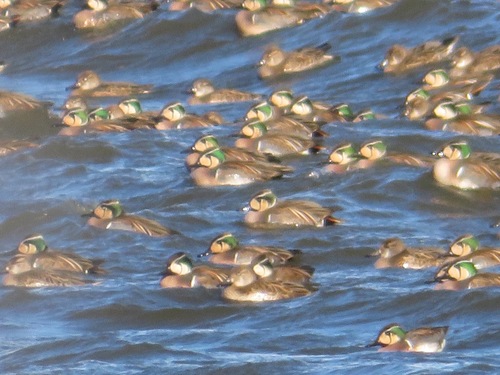 marrequinha-formosa
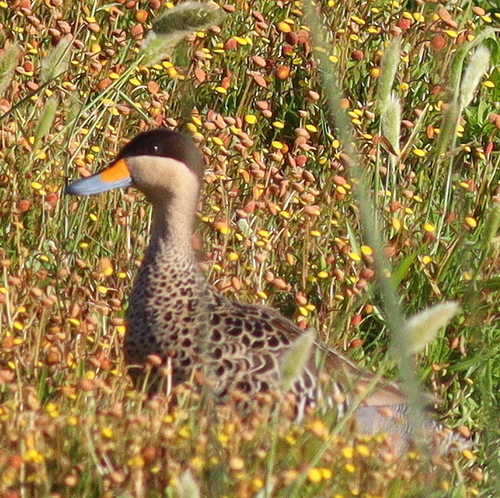 marreca-cricri
Em resumo
A marca de campo mais confiável entre marrequinha-formosa e marreca-cricri é o padrão facial distinto da marrequinha-formosa: mesmo em fêmeas e juvenis, procure por uma mancha clara na base do bico e uma linha de garganta clara que se inclina de volta para o olho, que a marreca-cricri não possui. Em voo ou em repouso, a marrequinha-formosa (especialmente fêmeas e juvenis) apresenta uma cauda mais longa e um rosto mais intrincado e multicolorido, enquanto a marreca-cricri tem a cabeça preta com um bico azul com ponta amarela e carece de contrastes faciais fortes. Ambas as espécies têm um especulum verde, mas a borda e o padrão facial são fundamentais. Juvenis e fêmeas de marrequinha-formosa podem ser confundidos com marreca-cricri, mas a atenção cuidadosa aos padrões faciais e de garganta os separará.
Dicas de identificação
- O padrão facial é fundamental: A marrequinha-formosa (fêmea/juvenil) apresenta uma mancha clara na base do bico e uma linha de garganta branca que se inclina de volta para o olho— a marreca-cricri nunca apresenta isso.
- Sobrancelha e coroa: A marrequinha-formosa tem uma sobrancelha clara bordada por uma coroa mais escura; a marreca-cricri tem uma cabeça preta que se estende abaixo dos olhos, sem sobrancelha clara.
- Cor do bico: A marreca-cricri tem um bico azul com ponta amarela, enquanto o bico da marrequinha-formosa é escuro e não tem ponta amarela.
- Borda do especulum: Ambas têm um especulum verde, mas a borda interna da marrequinha-formosa é canela-creme e indistinta, enquanto a da marreca-cricri é nitidamente bordada com branco.
- Parte inferior da asa em voo: A marrequinha-formosa tem uma borda de ataque mais escura na parte inferior da asa (todas as idades); a marreca-cricri não possui essa característica.
- Comprimento da cauda: A marrequinha-formosa tem cauda mais longa, especialmente óbvio em aves nadando ou voando.
- Masculino adulto da marrequinha-formosa (reprodução): Inconfundível com nuca verde, face amarela e preta, e peito manchado— a marreca-cricri nunca apresenta essas cores.
- Masculino em eclipse da marrequinha-formosa: Assemelha-se à fêmea, mas é mais ruivo; ainda apresenta a mancha loral clara e a linha de garganta.
- Fêmea da marreca-cricri: Mais apagada que o macho, mas ainda com a cabeça coberta, e carece de qualquer mancha loral clara ou linha de garganta.
- Juvenil da marrequinha-formosa: Sempre apresenta mancha loral clara e linha de garganta clara, mesmo quando semelhante à marreca-cricri.
- Tamanho do corpo: A marrequinha-formosa é mais pesada e ligeiramente mais longa; em bandos mistos, procure pelo corpo e cauda mais longos e mais atenuados.
- Contexto de habitat: Em áreas nativas, a marrequinha-formosa é da Ásia Oriental, a marreca-cricri é da América do Sul; aves vagantes ou em cativeiro podem ocorrer em outros lugares.
- Confusão com marcação de bridão: Algumas marrequinhas-formosas (especialmente machos juvenis) podem apresentar marcas faciais de 'bridão'— ainda procure pela mancha loral clara e linha de garganta.
- Manchas no peito: A marrequinha-formosa (macho) tem um peito manchado; a marreca-cricri não tem.
- Contraste facial: O rosto da marreca-cricri é mais uniformemente escuro, enquanto o da marrequinha-formosa é intrincadamente padronizado com contrastes claros e escuros.
Tamanho
A marrequinha-formosa é ligeiramente maior e mais pesada que a marreca-cricri, com um comprimento de 39–43 cm e um peso médio de 500 g, em comparação com os 410 g da marreca-cricri [wikidata]. A marrequinha-formosa também tem uma cauda visivelmente mais longa, que é uma pista útil de campo quando as aves estão nadando ou em voo. Ambas são patos mergulhadores pequenos, mas a marrequinha-formosa tende a parecer um pouco mais longa e mais atenuada na parte traseira.
Plumagem
- Juvenil e Fêmea da marrequinha-formosa: Ambos os sexos e idades apresentam uma mancha clara na base do bico, uma linha de garganta branca que se inclina de volta para o olho, e uma sobrancelha clara distinta bordada por uma coroa mais escura. A parte inferior da asa é semelhante à da marreca-de-asas-verdes, mas com uma borda de ataque mais escura; o especulum verde tem uma borda interna canela-creme indistinta. Juvenis assemelham-se às fêmeas, mas sempre apresentam a mancha loral clara.
- Marreca-cricri: Tem uma cabeça preta que se estende abaixo dos olhos, um bico azul com ponta amarela, e um especulum verde com uma borda branca clara. O rosto carece da mancha loral clara e da linha de garganta da marrequinha-formosa. A fêmea da marreca-cricri é mais apagada, mas ainda tem a cabeça coberta e carece do padrão facial intrincado da marrequinha-formosa.
- Masculino Adulto da marrequinha-formosa (reprodução): Nuca verde marcante, auriculares amarelos e pretos, coroa escura, e peito manchado de marrom claro— inconfundível em comparação com a marreca-cricri. Em eclipse, os machos da marrequinha-formosa assemelham-se às fêmeas, mas são mais ruivos.
- Visões de voo: Ambas as espécies apresentam um especulum verde, mas o da marrequinha-formosa é bordado de forma menos distinta e a parte inferior da asa tem uma borda de ataque mais escura, enquanto o especulum da marreca-cricri é bordado com branco.
Comportamento
Ambas são patos mergulhadores e podem ser vistos se alimentando em águas rasas ou descansando entre juncos. A marrequinha-formosa pode parecer mais alongada e com cauda mais longa ao nadar ou voar. Nenhuma diferença comportamental significativa é observada nas fontes.
Habitat
A marrequinha-formosa se reproduz no leste da Rússia e inverna na Ásia Oriental, enquanto a marreca-cricri é uma espécie reprodutora da América do Sul. No campo, a marrequinha-formosa é altamente improvável na América do Sul e vice-versa, mas em situações de cativeiro ou vagantes, a sobreposição de habitat é possível em ambientes de pântano ou juncal. Ambas preferem habitats de água doce rasos com vegetação emergente.