

australian yellow white-eye vs silvereye
Zosterops luteus versus Zosterops lateralis
Jogue um quiz com australian yellow white-eye e silvereye
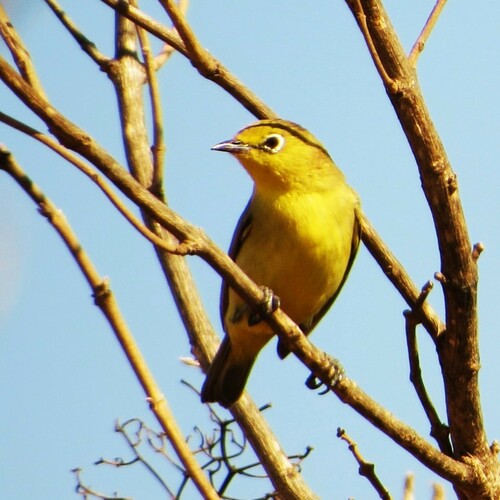 australian yellow white-eye
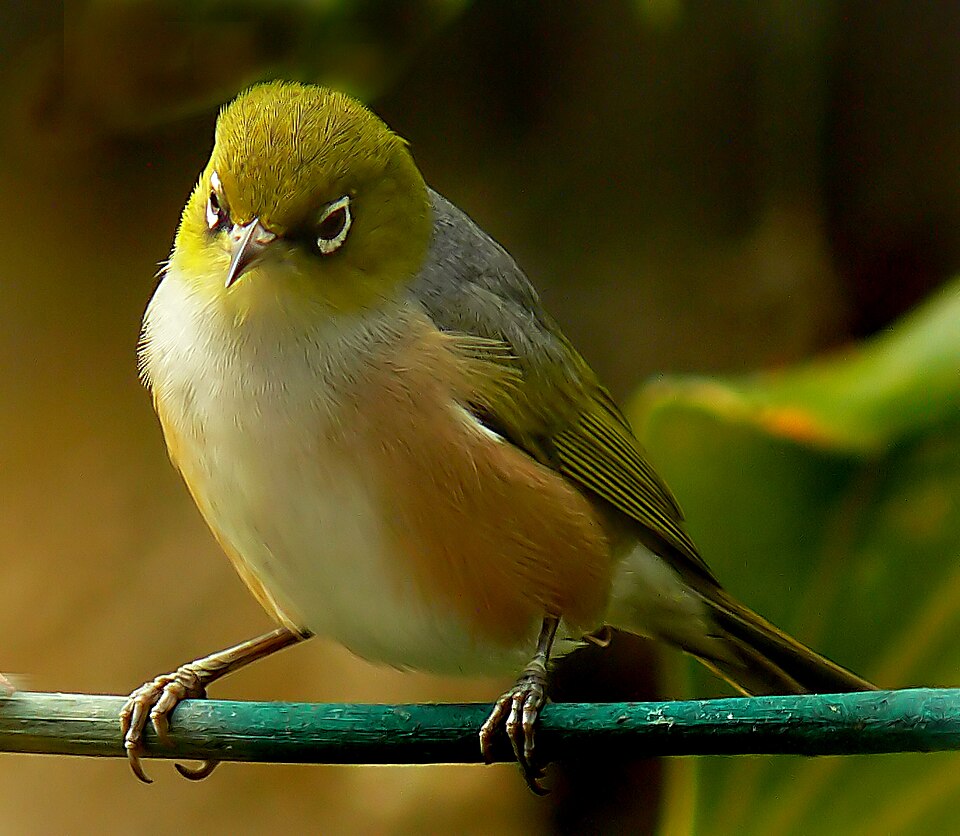 silvereye
Em resumo
A marca de campo mais confiável para separar australian yellow white-eye de silvereye é a cor das partes inferiores: australian yellow white-eye é amarelo brilhante por baixo e nas lore, enquanto silvereye apresenta partes inferiores muito mais opacas, muitas vezes acinzentadas ou cor de buff, com flancos variáveis. Ambas as espécies têm um anel ocular branco, mas o de australian yellow white-eye é destacado por uma faixa lore escura e um rosto amarelo mais vívido. A estrutura é semelhante, mas silvereye é ligeiramente maior e mais variável em plumagem, especialmente na Austrália. Em voo ou empoleirado, concentre-se na cor das partes inferiores e do rosto para a separação mais rápida.
Dicas de identificação
- Cor das partes inferiores: australian yellow white-eye tem partes inferiores e lore amarelas brilhantes, enquanto as partes inferiores de silvereye são geralmente mais pálidas, muitas vezes acinzentadas ou cor de buff, com flancos castanhos ou pálidos variáveis. Esta é a marca mais confiável em todas as idades.
- Padrão facial: Procure pela faixa lore escura que destaca o anel ocular branco em australian yellow white-eye. Silvereye não possui uma faixa lore escura forte e muitas vezes tem um rosto mais suave com menos amarelo.
- Anel ocular: Ambas têm um anel ocular branco conspícuo, mas em australian yellow white-eye ele é mais nitidamente contornado e destacado pelo rosto amarelo e pela faixa lore escura; em silvereye, o anel também é ousado, mas não tão nitidamente definido por cores de rosto contrastantes.
- Partes superiores: australian yellow white-eye é verde-oliva brilhante por cima; silvereye é mais variável, com costas e asas verde-oliva ou acinzentadas, às vezes com um tom mais acinzentado.
- Cor dos flancos: silvereye pode apresentar flancos castanhos ou cor de buff, especialmente em algumas subespécies, o que nunca é mostrado por australian yellow white-eye.
- Cauda inferior: A cauda inferior de silvereye pode ser branca ou amarela, enquanto a de australian yellow white-eye é amarela, combinando com o restante das partes inferiores.
- Bico e língua: Ambas têm bicos curtos e afiados, mas o bico de australian yellow white-eye é ligeiramente mais curto e mais pontudo, com uma língua em forma de pincel para alimentação de néctar. Isso é sutil e raramente diagnóstico em campo.
- Tamanho e estrutura: silvereye é ligeiramente maior e com cauda mais longa em média, mas a sobreposição é substancial e esta não é uma marca de campo confiável a menos que vistas lado a lado.
- Habitat: Se vistas em manguezais densos no norte da Austrália, prefira australian yellow white-eye; em jardins, florestas ou longe dos manguezais, silvereye é muito mais provável.
- Distribuição geográfica: australian yellow white-eye é restrito ao norte da Austrália costeira, especialmente em manguezais; silvereye é amplamente distribuído pela Austrália, Nova Zelândia e ilhas do Pacífico.
- Comportamento: Ambas são ativas e gregárias, mas silvereye é mais provável de ser vista em bandos maiores, especialmente fora da temporada de reprodução.
- Movimento sazonal: silvereye é migratória no sul da Austrália e Nova Zelândia, então grandes bandos no outono/inverno são provavelmente silvereye.
- Confusão juvenil/imatura: Nenhuma diferença detalhada no padrão das asas é descrita para aves jovens, então confie na cor das partes inferiores e do rosto em todas as idades.
- Variabilidade da plumagem: silvereye é altamente variável em sua distribuição, especialmente na Austrália; sempre verifique as partes inferiores e o rosto amarelo para descartar australian yellow white-eye.
- Armadilhas: Não confie apenas no anel ocular branco, pois ambas as espécies o possuem. Sempre verifique a cor das partes inferiores e o padrão facial para confirmação.
Tamanho
Australian yellow white-eye tem uma média de cerca de 9,7 g de massa corporal e mede 100–110 mm de comprimento com uma envergadura de 52–59 mm. Silvereye é ligeiramente maior, tipicamente 11–13 cm de comprimento e cerca de 10 g, então há alguma sobreposição, mas silvereye pode parecer um pouco mais robusto e com cauda mais longa em comparação direta. O tamanho sozinho raramente é diagnóstico em campo devido à sobreposição e variação.
Plumagem
As plumagens juvenil e imatura não são descritas em detalhes para nenhuma das espécies nas fontes, então o foco é na aparência adulta e geral. Australian yellow white-eye é verde-oliva brilhante por cima com partes inferiores amarelas vívidas, lore amarelas e um impressionante anel ocular prata-branco contornado por uma faixa lore escura. Silvereye é mais variável: as partes superiores são verde-oliva ou acinzentadas, as partes inferiores são mais pálidas—variando de garganta acinzentada ou amarelada a flancos cor de buff ou castanhos, e a cauda inferior pode ser branca ou amarela. O anel ocular de silvereye também é proeminente, mas geralmente não é tão nitidamente destacado por uma faixa lore escura. Ambas as espécies têm um bico curto e afiado, mas o rosto de australian yellow white-eye é mais uniformemente amarelo, enquanto silvereye muitas vezes apresenta um rosto mais contrastante com menos amarelo e mais tons acinzentados ou oliva.
Comportamento
Ambas as espécies são ativas, se movem rapidamente e forrageiam em pequenos bandos, muitas vezes altas na folhagem ou em arbustos. Silvereye é altamente migratória em partes de sua distribuição, especialmente no sul da Austrália e Nova Zelândia, formando grandes bandos no final do verão e outono. Australian yellow white-eye é mais localizada e tende a permanecer em habitats de manguezais ou costeiros. Ambas as espécies se alimentam de néctar e pequenos insetos, mas silvereye é mais onívora e adaptável em dieta e uso de habitat.
Habitat
Australian yellow white-eye está fortemente ligada a florestas de mangue subtropicais e tropicais e ao norte costeiro da Austrália. Raramente é encontrada longe de manguezais ou vegetação costeira adjacente. Silvereye é muito mais ampla e adaptável, encontrada em uma ampla gama de habitats vegetados, incluindo florestas, arbustos, jardins, pomares e até parques urbanos em toda a Austrália, Nova Zelândia e ilhas do Pacífico sudoeste. Se você estiver em manguezais densos no norte da Austrália, australian yellow white-eye é muito mais provável; em jardins, florestas ou longe dos manguezais, silvereye predomina.
australian yellow white-eye · silvereye · Minhas aves difíceis