

Australian Yellow White-eye vs Silvereye
Zosterops luteus contro Zosterops lateralis
Fai un quiz con Australian Yellow White-eye e Silvereye
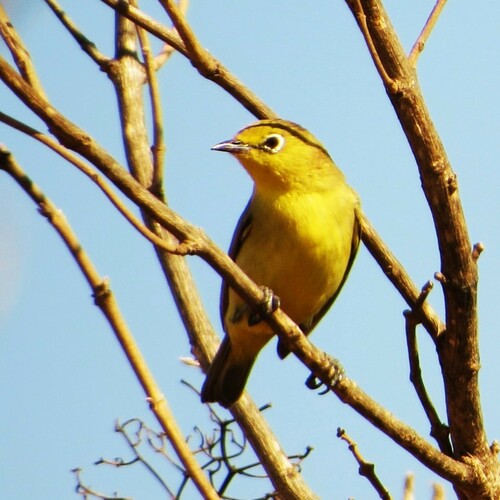 Australian Yellow White-eye
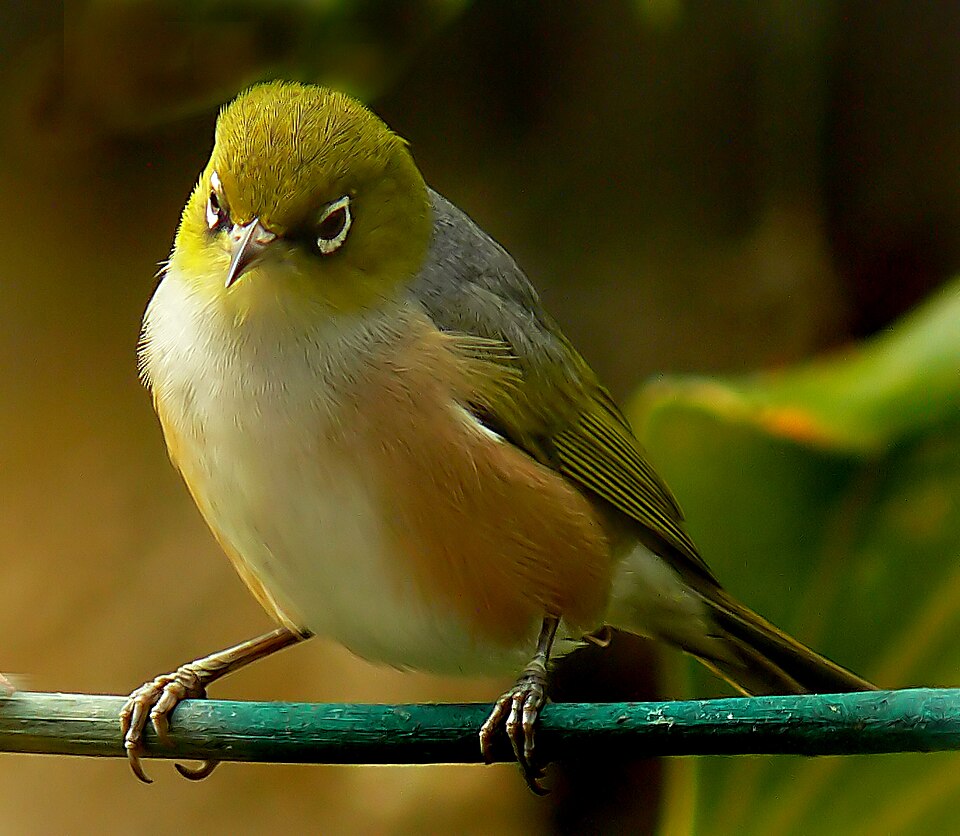 Silvereye
In breve
Il segno di campo più affidabile per separare l'Australian Yellow White-eye dallo Silvereye è il colore delle parti inferiori: l'Australian Yellow White-eye è di un giallo brillante sotto e sulle lore, mentre lo Silvereye mostra parti inferiori molto più opache, spesso grigioastre o color sabbia, con fianchi variabili. Entrambe le specie hanno un anello oculare bianco, ma quello dell'Australian Yellow White-eye è accentuato da una striscia lore scura e un volto giallo più vivace. La struttura è simile, ma lo Silvereye è leggermente più grande e più variabile nel piumaggio, specialmente in Australia. In volo o posato, concentrati sul colore delle parti inferiori e del volto per la separazione più rapida.
Consigli di identificazione
- Colore delle parti inferiori: L'Australian Yellow White-eye ha parti inferiori e lore di un giallo brillante, mentre le parti inferiori dello Silvereye sono solitamente più chiare, spesso grigioastre o color sabbia, con fianchi variabili castano o chiari. Questo è il segno più affidabile in tutte le età.
- Schema facciale: Cerca la striscia lore scura che mette in risalto l'anello oculare bianco nell'Australian Yellow White-eye. Lo Silvereye manca di una forte striscia lore scura e spesso ha un volto più attenuato con meno giallo.
- Anello oculare: Entrambi hanno un anello oculare bianco evidente, ma nell'Australian Yellow White-eye è più nettamente delineato e messo in risalto dal volto giallo e dalla striscia lore scura; nello Silvereye, l'anello è anch'esso audace ma non così nettamente definito dai colori contrastanti del volto.
- Parti superiori: L'Australian Yellow White-eye è di un verde oliva brillante sopra; lo Silvereye è più variabile, con dorso e ali di un verde oliva o grigio, a volte con una tonalità più grigia.
- Colore dei fianchi: Lo Silvereye può mostrare fianchi castano o color sabbia, specialmente in alcune sottospecie, cosa che non è mai mostrata dall'Australian Yellow White-eye.
- Coda: La coda dello Silvereye può essere bianca o gialla, mentre quella dell'Australian Yellow White-eye è gialla, corrispondente al resto delle parti inferiori.
- Becco e lingua: Entrambi hanno becchi corti e affilati, ma il becco dell'Australian Yellow White-eye è leggermente più corto e appuntito, con una lingua a punta per l'alimentazione a base di nettare. Questo è sottile e raramente diagnostico sul campo.
- Dimensioni e struttura: Lo Silvereye è leggermente più grande e ha una coda più lunga in media, ma la sovrapposizione è sostanziale e questo non è un segno di campo affidabile a meno che non siano visti fianco a fianco.
- Habitat: Se visto in dense mangrovie nel nord dell'Australia, favorire l'Australian Yellow White-eye; in giardini, foreste o lontano dalle mangrovie, lo Silvereye è molto più probabile.
- Distribuzione geografica: L'Australian Yellow White-eye è limitato al nord dell'Australia costiera, specialmente nelle mangrovie; lo Silvereye è diffuso in tutta l'Australia, Nuova Zelanda e isole del Pacifico.
- Comportamento: Entrambi sono attivi e gregari, ma lo Silvereye è più probabile che venga visto in gruppi più numerosi, specialmente al di fuori della stagione riproduttiva.
- Movimento stagionale: Lo Silvereye è migratorio nel sud dell'Australia e in Nuova Zelanda, quindi grandi gruppi in autunno/inverno sono probabilmente Silvereye.
- Confusione giovanile/immatura: Non sono descritte differenze dettagliate nel pattern delle ali per gli uccelli giovani, quindi fare affidamento sul colore delle parti inferiori e del volto in tutte le età.
- Variabilità del piumaggio: Lo Silvereye è altamente variabile nella sua distribuzione, specialmente in Australia; controlla sempre per le parti inferiori e il volto gialli per escludere l'Australian Yellow White-eye.
- Insidie: Non fare affidamento solo sull'anello oculare bianco, poiché entrambe le specie lo hanno. Controlla sempre il colore delle parti inferiori e il pattern facciale per conferma.
Taglia
L'Australian Yellow White-eye pesa in media circa 9,7 g e misura 100–110 mm di lunghezza con un'apertura alare di 52–59 mm. Lo Silvereye è leggermente più grande, tipicamente lungo 11–13 cm e intorno ai 10 g, quindi c'è una certa sovrapposizione, ma lo Silvereye può apparire un po' più robusto e con una coda più lunga in confronto diretto. Le dimensioni da sole sono raramente diagnostiche sul campo a causa della sovrapposizione e della variazione.
Piumaggio
I piumaggi giovanili e immaturi non sono descritti in dettaglio per nessuna delle due specie nelle fonti, quindi ci si concentra sull'aspetto adulto e generale. L'Australian Yellow White-eye è di un verde oliva brillante sopra con parti inferiori gialle vivide, lore gialle e un anello oculare bianco argenteo accentuato da una striscia lore scura. Lo Silvereye è più variabile: le parti superiori sono di un verde oliva o grigio, le parti inferiori sono più chiare—che variano da una gola grigio o giallastro a fianchi color sabbia o castano, e la coda può essere bianca o gialla. L'anello oculare dello Silvereye è anch'esso prominente ma di solito non così nettamente messo in risalto da una striscia lore scura. Entrambe le specie hanno un becco corto e affilato, ma il volto dell'Australian Yellow White-eye è di un giallo più uniforme, mentre lo Silvereye mostra spesso un volto più contrastante con meno giallo e più toni grigi o oliva.
Comportamento
Entrambe le specie sono attive, veloci e foraggiano in piccoli gruppi, spesso in alto nel fogliame o nei cespugli. Lo Silvereye è altamente migratorio in alcune parti della sua distribuzione, specialmente nel sud dell'Australia e in Nuova Zelanda, formando grandi gruppi a fine estate e in autunno. L'Australian Yellow White-eye è più localizzato e tende a rimanere in habitat di mangrovie o costieri. Entrambe le specie si nutrono di nettare e piccoli insetti, ma lo Silvereye è più onnivoro e adattabile nella dieta e nell'uso dell'habitat.
Habitat
L'Australian Yellow White-eye è fortemente legato a foreste di mangrovie subtropicali e tropicali e alla costa del nord dell'Australia. Si trova raramente lontano dalle mangrovie o dalla vegetazione costiera adiacente. Lo Silvereye è molto più diffuso e adattabile, trovato in una vasta gamma di habitat vegetati tra cui foreste, cespugli, giardini, frutteti e persino parchi urbani in tutta l'Australia, Nuova Zelanda e isole del Pacifico sud-occidentale. Se ti trovi in mangrovie dense nel nord dell'Australia, l'Australian Yellow White-eye è molto più probabile; in giardini, foreste o lontano dalle mangrovie, lo Silvereye predomina.
Australian Yellow White-eye · Silvereye · I miei uccelli difficili