

Motmot

キバラメジロ 対 ハイムネメジロ

Zosterops luteus 対 Zosterops lateralis

キバラメジロとハイムネメジロのクイズ
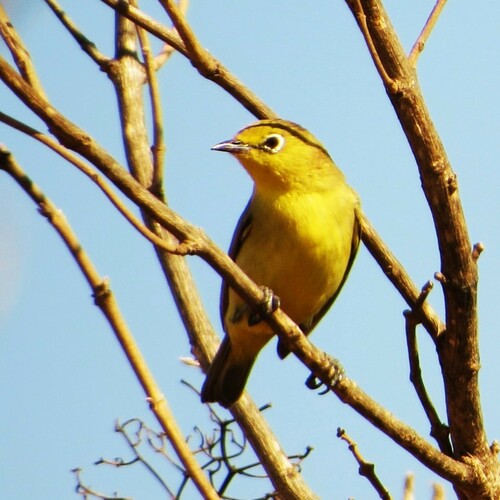
キバラメジロ (Zosterops luteus) キバラメジロ
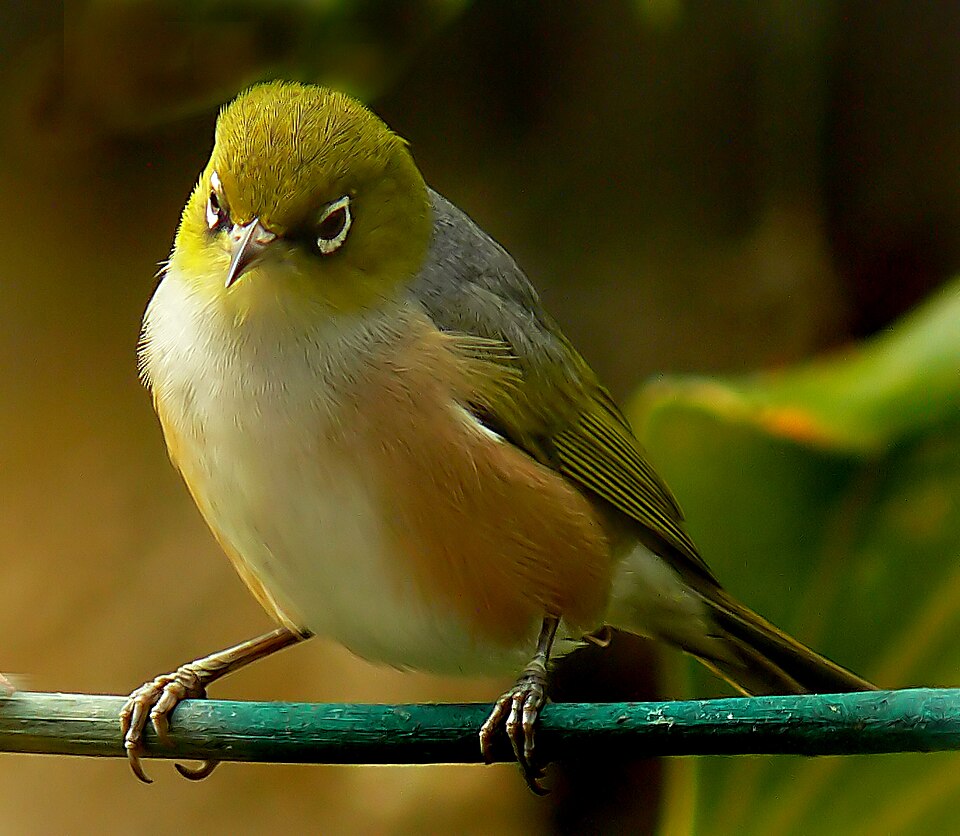
ハイムネメジロ (Zosterops lateralis) ハイムネメジロ

メディア

読み込み中…

要点

オーストラリアキバラメジロとハイムネメジロを区別する最も信頼できるフィールドマークは、腹部の色です:オーストラリアキバラメジロは腹部とロアが明るい黄色であるのに対し、ハイムネメジロははるかに鈍い、しばしば灰色がかったまたはバフ色の腹部を示し、側面は変動します。両種は白いアイリングを持っていますが、オーストラリアキバラメジロのアイリングは暗いロラルストライプとより鮮やかな黄色の顔によって際立っています。構造は似ていますが、ハイムネメジロはわずかに大きく、特にオーストラリアでは羽毛においてより変動があります。飛んでいるときや止まっているときは、最も迅速に区別するために腹部と顔の色に焦点を当ててください。

識別のコツ

  1. Underpart color: オーストラリアキバラメジロは明るい黄色の腹部とロアを持ち、ハイムネメジロの腹部は通常より淡い、しばしば灰色がかったまたはバフ色で、変動する栗色または淡い側面を持っています。これはすべての年齢で最も信頼できるマークです。
  2. Facial pattern: オーストラリアキバラメジロの白いアイリングを際立たせる暗いロラルストライプを探してください。ハイムネメジロは強い暗いロラルストライプを欠き、しばしばより控えめな顔を持ち、黄色が少ないです。
  3. Eye-ring: 両種は目立つ白いアイリングを持っていますが、オーストラリアキバラメジロではより鮮明に縁取られ、黄色の顔と暗いロラルストライプによって際立っています;ハイムネメジロでは、リングも目立ちますが、対照的な顔の色によってそれほど鮮明には定義されていません。
  4. Upperparts: オーストラリアキバラメジロは明るいオリーブ色の上面を持ちます;ハイムネメジロはより変動があり、オリーブグリーンまたは灰色がかった背中と翼を持ち、時にはより灰色がかった色合いを持っています。
  5. Flank color: ハイムネメジロは、特にいくつかの亜種で栗色またはバフ色の側面を示すことがありますが、オーストラリアキバラメジロはこれを示しません。
  6. Undertail: ハイムネメジロの尾羽は白または黄色であることがありますが、オーストラリアキバラメジロの尾羽は黄色で、他の腹部と一致します。
  7. Bill and tongue: 両種は短く鋭いくちばしを持っていますが、オーストラリアキバラメジロのくちばしはわずかに短く、より尖っており、蜜を吸うためのブラシ状の舌を持っています。これは微妙で、フィールドでは診断的であることは稀です。
  8. Size and structure: ハイムネメジロは平均してわずかに大きく、尾が長いですが、重なりがかなりあり、これは並べて見ない限り信頼できるフィールドマークではありません。
  9. Habitat: 北オーストラリアの密なマングローブで見られた場合、オーストラリアキバラメジロを優先してください;庭や森林、またはマングローブから離れた場所では、ハイムネメジロの方がはるかに可能性が高いです。
  10. Geographic range: オーストラリアキバラメジロは北部沿岸オーストラリアに制限されており、特にマングローブに生息しています;ハイムネメジロはオーストラリア、ニュージーランド、太平洋の島々に広く分布しています。
  11. Behavior: 両種は活発で社交的ですが、ハイムネメジロは特に繁殖期以外の大きな群れで見られる可能性が高いです。
  12. Seasonal movement: ハイムネメジロは南オーストラリアとニュージーランドで渡りを行うため、秋/冬に大きな群れが見られる可能性があります。
  13. Juvenile/immature confusion: 若い鳥に対する詳細な翼のパターンの違いは記載されていないため、すべての年齢で腹部と顔の色に依存してください。
  14. Plumage variability: ハイムネメジロはその範囲内で非常に変動があり、特にオーストラリアでは;オーストラリアキバラメジロを除外するために、常に黄色の腹部と顔を確認してください。
  15. Pitfalls: 両種が白いアイリングを持っているため、白いアイリングだけに依存しないでください。常に確認のために腹部の色と顔のパターンをチェックしてください。

大きさ

オーストラリアキバラメジロは体重が約9.7 gで、長さは100–110 mm、翼幅は52–59 mmです。ハイムネメジロはわずかに大きく、通常は11–13 cmの長さで約10 gですので、重なりがありますが、ハイムネメジロは直接比較するとややがっしりとした体型で尾が長く見えることがあります。サイズだけでは、重なりと変動のため、フィールドで診断的であることは稀です。

羽色

若い個体や未成熟の羽毛は、情報源で詳細に記載されていないため、焦点は成鳥と一般的な外観にあります。オーストラリアキバラメジロは明るいオリーブ色の上面を持ち、鮮やかな黄色の腹部、黄色のロア、そして暗いロラルストライプで縁取られた印象的な銀白色のアイリングを持っています。ハイムネメジロはより変動があり、上面はオリーブグリーンまたは灰色がかっており、腹部はより淡く、灰色がかったまたは黄色がかった喉からバフ色または栗色の側面まで変動し、尾羽は白または黄色であることがあります。ハイムネメジロのアイリングも目立ちますが、通常は暗いロラルストライプで鮮明に際立っていません。両種は短く鋭いくちばしを持っていますが、オーストラリアキバラメジロの顔はより均一に黄色であり、ハイムネメジロはしばしばより対照的な顔を示し、黄色が少なく、灰色またはオリーブ色のトーンが多いです。

行動

両種は活発で速く動き、小さな群れで採餌し、しばしば高い葉の中や低木の中で見られます。ハイムネメジロはその範囲の一部で非常に渡りを行い、特に南オーストラリアとニュージーランドでは、夏の終わりと秋に大きな群れを形成します。オーストラリアキバラメジロはより局所的で、マングローブや沿岸の生息地に留まる傾向があります。両種は蜜や小さな昆虫を食べますが、ハイムネメジロはより雑食性で、食事や生息地の利用において適応性があります。

生息環境

オーストラリアキバラメジロは亜熱帯および熱帯のマングローブ林と北オーストラリアの沿岸に強く結びついています。マングローブや隣接する沿岸の植生から遠く離れて見つかることはほとんどありません。ハイムネメジロははるかに広範囲に分布し、オーストラリア、ニュージーランド、南西太平洋の島々全体で森林、低木、庭、果樹園、さらには都市公園など、さまざまな植生の生息地で見られます。北オーストラリアの密なマングローブにいる場合、オーストラリアキバラメジロの方がはるかに可能性が高いですが、庭や森林、またはマングローブから離れた場所では、ハイムネメジロが優勢です。

より良い説明を送る

比較と同じ項目を使ってください。文章はすぐに公開されます。

The most reliable field mark to separate Australian Yellow White-eye from Silvereye is the underpart color: Australian Yellow White-eye is bright yellow below and on the lores, while Silvereye shows much duller, often greyish or buff underparts with variable flanks. Both species have a white eye-ring, but the Australian Yellow White-eye’s is set off by a dark loral stripe and more vivid yellow face. Structure is similar, but Silvereye is slightly larger and more variable in plumage, especially in Australia. In flight or perched, focus on underpart and face color for the quickest separation.

  1. Underpart color: Australian Yellow White-eye has bright yellow underparts and lores, while Silvereye’s underparts are usually paler, often greyish or buff, with variable chestnut or pale flanks. This is the single most reliable mark in all ages.
  2. Facial pattern: Look for the dark loral stripe setting off the white eye-ring in Australian Yellow White-eye. Silvereye lacks a strong dark loral stripe and often has a more muted face with less yellow.
  3. Eye-ring: Both have a conspicuous white eye-ring, but in Australian Yellow White-eye it is more crisply bordered and set off by the yellow face and dark loral stripe; in Silvereye, the ring is also bold but not as sharply defined by contrasting face colors.
  4. Upperparts: Australian Yellow White-eye is bright olive above; Silvereye is more variable, with olive-green or greyish back and wings, sometimes with a more greyish cast.
  5. Flank color: Silvereye can show chestnut or buff flanks, especially in some subspecies, which is never shown by Australian Yellow White-eye.
  6. Undertail: Silvereye’s undertail can be white or yellow, while Australian Yellow White-eye’s is yellow, matching the rest of the underparts.
  7. Bill and tongue: Both have short, sharp bills, but Australian Yellow White-eye’s bill is slightly shorter and more pointed, with a brush-tipped tongue for nectar feeding. This is subtle and rarely diagnostic in the field.
  8. Size and structure: Silvereye is slightly larger and longer-tailed on average, but overlap is substantial and this is not a reliable field mark unless seen side-by-side.
  9. Habitat: If seen in dense mangroves in northern Australia, favor Australian Yellow White-eye; in gardens, forests, or away from mangroves, Silvereye is much more likely.
  10. Geographic range: Australian Yellow White-eye is restricted to northern coastal Australia, especially in mangroves; Silvereye is widespread across Australia, New Zealand, and Pacific islands.
  11. Behavior: Both are active and gregarious, but Silvereye is more likely to be seen in larger flocks, especially outside the breeding season.
  12. Seasonal movement: Silvereye is migratory in southern Australia and New Zealand, so large flocks in autumn/winter are likely Silvereye.
  13. Juvenile/immature confusion: No detailed wing pattern differences are described for young birds, so rely on underpart and face color at all ages.
  14. Plumage variability: Silvereye is highly variable across its range, especially in Australia; always check for yellow underparts and face to rule out Australian Yellow White-eye.
  15. Pitfalls: Do not rely solely on the white eye-ring, as both species have it. Always check underpart color and facial pattern for confirmation.

Australian Yellow White-eye averages about 9.7 g in body mass and measures 100–110 mm in length with a wingspan of 52–59 mm. Silvereye is slightly larger, typically 11–13 cm long and around 10 g, so there is some overlap, but Silvereye can appear a touch bulkier and longer-tailed in direct comparison. Size alone is rarely diagnostic in the field due to overlap and variation.

Juvenile and immature plumages are not described in detail for either species in the sources, so focus is on adult and general appearance. Australian Yellow White-eye is bright olive above with vivid yellow underparts, yellow lores, and a striking silver-white eye-ring bordered by a dark loral stripe. Silvereye is more variable: upperparts are olive-green or greyish, underparts are paler—ranging from greyish or yellowish throat to buff or chestnut flanks, and the undertail can be white or yellow. The Silvereye’s eye-ring is also prominent but usually not as crisply set off by a dark loral stripe. Both species have a short, sharp bill, but the Australian Yellow White-eye’s face is more uniformly yellow, while Silvereye often shows a more contrasting face with less yellow and more grey or olive tones.

Both species are active, fast-moving, and forage in small flocks, often high in foliage or in shrubbery. Silvereye is highly migratory in parts of its range, especially in southern Australia and New Zealand, forming large flocks in late summer and autumn. Australian Yellow White-eye is more localized and tends to remain in mangrove or coastal habitats. Both species feed on nectar and small insects, but Silvereye is more omnivorous and adaptable in diet and habitat use.

Australian Yellow White-eye is strongly tied to subtropical and tropical mangrove forests and coastal northern Australia. It is rarely found far from mangroves or adjacent coastal vegetation. Silvereye is much more widespread and adaptable, found in a wide range of vegetated habitats including forests, scrub, gardens, orchards, and even urban parks throughout Australia, New Zealand, and southwest Pacific islands. If you are in dense mangroves in northern Australia, Australian Yellow White-eye is far more likely; in gardens, forests, or away from mangroves, Silvereye predominates.

変更を破棄しますか?

保存していない編集があります。今離れると失われます。

キバラメジロ · ハイムネメジロ · 苦手な鳥