

albatroz-de-nariz-amarelo vs indian yellow-nosed albatross
Thalassarche chlororhynchos versus Thalassarche carteri
Jogue um quiz com albatroz-de-nariz-amarelo e indian yellow-nosed albatross
 albatroz-de-nariz-amarelo
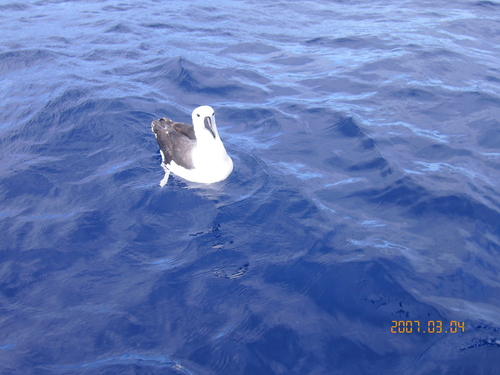 indian yellow-nosed albatross
Em resumo
A marca de campo mais confiável entre o albatroz-de-nariz-amarelo e o indian yellow-nosed albatross é a cor e o tom da cabeça: o albatroz-de-nariz-amarelo apresenta uma cabeça cinza mais escura com uma mancha ocular escura pronunciada, enquanto o indian yellow-nosed albatross tem uma cabeça mais clara, muitas vezes parecendo quase branca ou muito cinza pálido. As aves juvenis de ambas as espécies têm cabeças brancas e bicos totalmente pretos, tornando-as quase indistinguíveis nessa idade. Em voo, ambas mostram uma margem preta estreita na parte inferior da asa, mas a margem do albatroz-de-nariz-amarelo é tipicamente mais fina e mais bem definida. A cor do bico é sutilmente diferente nos adultos, com o albatroz-de-nariz-amarelo tendo uma ponta rosa e o indian yellow-nosed albatross uma ponta vermelha, mas isso raramente é visível no mar. A estrutura e o tamanho são semelhantes, embora o indian yellow-nosed albatross seja ligeiramente mais pesado em média.
Dicas de identificação
- Cor da Cabeça em Adultos: A marca de campo mais consistente é a cor da cabeça. O albatroz-de-nariz-amarelo tem uma cabeça cinza visivelmente mais escura com uma forte mancha ocular escura, enquanto o indian yellow-nosed albatross tem uma cabeça muito mais clara, muitas vezes parecendo quase branca. Isso é mais visível em boa luz e a curta distância.
- Armadilha Juvenil: Os juvenis de ambas as espécies têm cabeças brancas e bicos totalmente pretos, tornando-os quase impossíveis de separar visualmente. Não tente identificar a espécie para aves jovens, a menos que esteja em uma área de reprodução conhecida.
- Padrão da Parte Inferior da Asa: Ambas as espécies mostram uma margem preta estreita ao redor da parte inferior da asa, mas a margem do albatroz-de-nariz-amarelo é ligeiramente mais fina e mais bem definida. Essa é uma diferença sutil e nem sempre confiável em luz fraca ou vistas distantes.
- Cor do Bico: Em adultos, ambos têm um bico preto com uma crista amarela, mas o albatroz-de-nariz-amarelo tem uma ponta rosa e o indian yellow-nosed albatross uma ponta vermelha. Essa diferença é extremamente sutil e raramente visível, a menos que a ave esteja muito próxima e bem iluminada.
- Tamanho e Estrutura: O indian yellow-nosed albatross é ligeiramente mais pesado, mas ambos estão entre os menores mollymawks e têm asas igualmente estreitas. O tamanho não é uma marca de campo confiável.
- Mancha Ocular: O albatroz-de-nariz-amarelo mostra uma mancha ocular escura mais pronunciada devido à cabeça mais escura, enquanto a cabeça pálida do indian yellow-nosed albatross torna a mancha ocular menos óbvia.
- Parte Superior da Asa e Selim: Ambas as espécies têm uma parte superior da asa e selim cinza-escuro, sem diferença confiável para separação em campo.
- Cauda e Rabo: Ambas têm uma cauda escura e um rabo branco; isso não é uma característica de separação.
- Estilo de Voo: Ambas as espécies planam com asas rígidas e estreitas, típicas dos mollymawks. Não há diferença conhecida no estilo de voo.
- Área de Reprodução (contexto apenas): Se vistas perto de ilhas de reprodução, a área pode ajudar (o albatroz-de-nariz-amarelo se reproduz no Atlântico Sul, o indian yellow-nosed albatross no Oceano Índico sul), mas no mar isso raramente é diagnóstico devido à sobreposição.
- Confusão com Outros Mollymawks: Ambas podem ser confundidas com o albatroz-de-cabeça-cinza e o albatroz-de-salvin, mas essas espécies têm asas mais largas ou cores de bico diferentes. Foque na cor da cabeça para separação entre o albatroz-de-nariz-amarelo e o indian yellow-nosed albatross.
- Sexo e Estação: Nenhum dimorfismo sexual ou mudança sazonal de plumagem é notado em nenhuma das espécies.
- Desgaste da Plumagem: Ambas as espécies podem mostrar plumagem desbotada ou desgastada no mar, mas isso não afeta a diferença chave na cor da cabeça.
- Efeitos da Iluminação: Esteja ciente de que a luz solar forte ou sombra pode fazer a cabeça parecer mais clara ou mais escura do que realmente é; tente visualizar de múltiplos ângulos.
- Não Confie na Voz: Nenhuma diferença vocal útil é notada para separação em campo.
Tamanho
O indian yellow-nosed albatross é um pouco mais pesado (massa corporal média 2710g vs 2060g para o albatroz-de-nariz-amarelo), mas ambos estão entre os menores mollymawks e são muito próximos em comprimento (albatroz-de-nariz-amarelo: 81 cm, indian yellow-nosed albatross: 76 cm). No campo, essa diferença de tamanho é sutil e não é um ponto de separação confiável. Ambos têm asas relativamente estreitas em comparação com outros mollymawks, mas os albatrozes-de-salvin e albatrozes-de-cabeça-cinza têm asas mais largas e não são propensos a confusões aqui.
Plumagem
- Juvenis: Os juvenis de ambas as espécies têm cabeças brancas e bicos totalmente pretos, tornando-os essencialmente indistinguíveis nessa idade. Os padrões da parte superior da asa e da parte inferior da asa são semelhantes, com uma margem preta estreita na parte inferior da asa.
- Adultos: A diferença chave é a cor da cabeça: os adultos do albatroz-de-nariz-amarelo têm uma cabeça cinza mais escura com uma mancha ocular escura proeminente, enquanto os adultos do indian yellow-nosed albatross têm uma cabeça e nuca muito mais claras (quase brancas ou muito cinza pálido). Ambos têm partes superiores da asa, selim e cauda cinza-escuro, e partes inferiores predominantemente brancas. A parte inferior da asa em ambos é branca com uma margem preta estreita, mas a do albatroz-de-nariz-amarelo é mais fina e mais bem definida. A cor do bico é preta com uma crista amarela em ambos, mas o albatroz-de-nariz-amarelo tem uma ponta rosa e o indian yellow-nosed albatross uma ponta vermelha. Essas cores das pontas do bico são sutis e raramente diagnósticas no mar.
Comportamento
Ambas as espécies são mollymawks típicos em voo, planando baixo sobre o oceano com asas rígidas e estreitas. Não há diferença comportamental notada no estilo de voo, postura ou forrageamento que separaria confiavelmente no campo. Ambas são pelágicas e raramente vistas perto da costa, exceto perto de ilhas de reprodução.
Habitat
Não há diferença de habitat diagnóstica quando vistas no mar, pois ambas são pelágicas e se sobrepõem em alcance nos oceanos do sul. As áreas de reprodução são diferentes (o albatroz-de-nariz-amarelo se reproduz em ilhas no Atlântico Sul, o indian yellow-nosed albatross em ilhas no Oceano Índico sul), mas isso não é útil para identificação no mar.
albatroz-de-nariz-amarelo · indian yellow-nosed albatross · Minhas aves difíceis