

Atlantic Yellow-nosed Albatross vs Indian Yellow-nosed Albatross
Thalassarche chlororhynchos contro Thalassarche carteri
Fai un quiz con Atlantic Yellow-nosed Albatross e Indian Yellow-nosed Albatross
 Atlantic Yellow-nosed Albatross
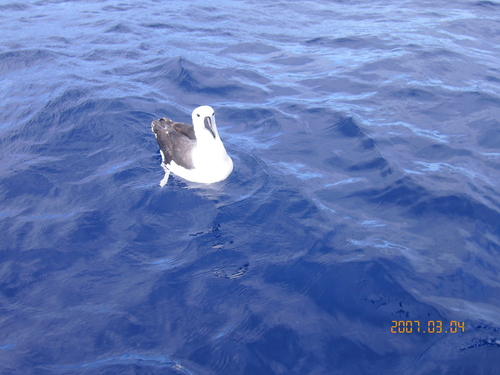 Indian Yellow-nosed Albatross
In breve
Il segno distintivo più affidabile tra Atlantic Yellow-nosed Albatross e Indian Yellow-nosed Albatross è il colore e il tono della testa: l'Atlantic mostra una testa grigia decisamente più scura con una pronunciata macchia oculare scura, mentre l'Indian ha una testa più chiara, che appare spesso quasi bianca o di un grigio molto chiaro. Gli uccelli juvenili di entrambe le specie hanno teste bianche e becchi completamente neri, rendendoli quasi indistinguibili a quell'età. In volo, entrambi mostrano un margine nero stretto sull'ala inferiore, ma il margine dell'Atlantic è tipicamente più sottile e più nettamente definito. Il colore del becco è leggermente diverso negli adulti, con l'Atlantic che ha una punta rosa e l'Indian una punta rossa, ma questo è raramente visibile in mare. La struttura e la dimensione sono simili, anche se l'Indian è leggermente più pesante in media.
Consigli di identificazione
- Head Color in Adults: Il segno distintivo più consistente è il colore della testa. L'Atlantic Yellow-nosed ha una testa grigia decisamente più scura con una forte macchia oculare scura, mentre l'Indian Yellow-nosed ha una testa molto più chiara, che appare spesso quasi bianca. Questo è più visibile in buona luce e a distanza ravvicinata.
- Juvenile Pitfall: I juvenili di entrambe le specie hanno teste bianche e becchi completamente neri, rendendoli quasi impossibili da separare visivamente. Non tentare di identificare le specie per gli uccelli giovani a meno che non ci si trovi in un'area di nidificazione nota.
- Underwing Pattern: Entrambe le specie mostrano un margine nero stretto attorno all'ala inferiore, ma il margine dell'Atlantic è leggermente più sottile e più nettamente definito. Questa è una differenza sottile e non sempre affidabile in condizioni di scarsa illuminazione o in viste distanti.
- Bill Color: Negli adulti, entrambi hanno un becco nero con una cresta gialla, ma l'Atlantic ha una punta rosa e l'Indian una punta rossa. Questa differenza è estremamente sottile e raramente visibile a meno che l'uccello non sia molto vicino e ben illuminato.
- Size and Structure: L'Indian Yellow-nosed è leggermente più pesante, ma entrambi sono tra i più piccoli mollymawks e hanno ali simili di larghezza. La dimensione non è un segno distintivo affidabile.
- Eye Patch: L'Atlantic mostra una macchia oculare scura più pronunciata a causa della testa più scura, mentre la testa chiara dell'Indian rende la macchia oculare meno evidente.
- Upperwing and Saddle: Entrambe le specie hanno un'ala superiore e una sella grigio scuro, senza differenze affidabili per la separazione sul campo.
- Tail and Rump: Entrambi hanno una coda scura e un posteriore bianco; questo non è un carattere distintivo.
- Flight Jizz: Entrambe le specie planano con ali rigide e strette, tipiche dei mollymawks. Non ci sono differenze note nello stile di volo.
- Breeding Range (context only): Se visti vicino a isole di nidificazione, l'areale può aiutare (l'Atlantic nidifica nell'Atlantico meridionale, l'Indian nell'oceano indiano meridionale), ma in mare questo è raramente diagnostico a causa della sovrapposizione.
- Confusion with Other Mollymawks: Entrambi possono essere confusi con il Gray-headed Albatross e il Salvin's Albatross, ma quelle specie hanno ali più larghe o colori di becco diversi. Concentrati sul colore della testa per la separazione tra Atlantic e Indian.
- Sex and Season: Non si nota dimorfismo sessuale o cambiamento del piumaggio stagionale in nessuna delle due specie.
- Plumage Wear: Entrambe le specie possono mostrare piumaggio sbiadito o usurato in mare, ma questo non influisce sulla differenza chiave del colore della testa.
- Lighting Effects: Fai attenzione che la luce solare intensa o l'ombra possono far apparire la testa più chiara o più scura di quanto non sia; prova a osservare da più angolazioni.
- Do Not Rely on Voice: Non si notano differenze vocali utili per la separazione sul campo.
Taglia
L'Indian Yellow-nosed Albatross è leggermente più pesante (massa corporea media 2710g contro 2060g per l'Atlantic), ma entrambi sono tra i più piccoli mollymawks e sono molto simili in lunghezza (Atlantic: 81 cm, Indian: 76 cm). Sul campo, questa differenza di dimensione è sottile e non è un punto di separazione affidabile. Entrambi hanno ali relativamente strette rispetto ad altri mollymawks, ma il Salvin's e il Gray-headed Albatross hanno ali più larghe e non è probabile che vengano confusi qui.
Piumaggio
- Juveniles: I juvenili di entrambe le specie hanno teste bianche e becchi completamente neri, rendendoli essenzialmente indistinguibili a questa età. I modelli dell'ala superiore e inferiore sono simili, con un margine nero stretto sull'ala inferiore.
- Adults: La differenza chiave è il colore della testa: gli adulti Atlantic hanno una testa grigia più scura con una prominente macchia oculare scura, mentre gli adulti Indian hanno una testa e una nuca molto più chiare (quasi bianche o di un grigio molto chiaro). Entrambi hanno ali superiori, sella e coda grigio scuro, e parti inferiori prevalentemente bianche. L'ala inferiore in entrambi è bianca con un margine nero stretto, ma quella dell'Atlantic è più sottile e più nettamente definita. Il colore del becco è nero con una cresta gialla in entrambi, ma l'Atlantic ha una punta rosa e l'Indian una punta rossa. Questi colori delle punte del becco sono sottili e raramente diagnostici in mare.
Comportamento
Entrambe le specie sono tipici mollymawks in volo, planando bassi sopra l'oceano con ali rigide e strette. Non si notano differenze comportamentali nello stile di volo, nella postura o nella ricerca di cibo che possano separarle affidabilmente sul campo. Entrambi sono pelagici e raramente visti vicino alla costa, tranne che vicino a isole di nidificazione.
Habitat
Non ci sono differenze diagnostiche nell'habitat quando visti in mare, poiché entrambi sono pelagici e sovrappongono il loro areale negli oceani meridionali. Gli areali di nidificazione sono diversi (l'Atlantic nidifica su isole nell'Atlantico meridionale, l'Indian su isole nell'oceano indiano meridionale), ma questo non è utile per l'identificazione in mare.
Atlantic Yellow-nosed Albatross · Indian Yellow-nosed Albatross · I miei uccelli difficili