

toutinegra-do-deserto-asiática vs toutinegra-do-levante
Curruca nana versus Curruca ruppeli
Jogue um quiz com toutinegra-do-deserto-asiática e toutinegra-do-levante
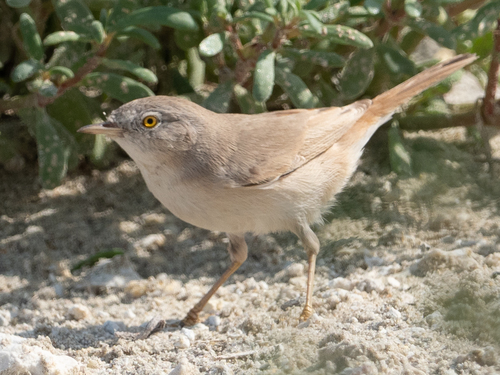 toutinegra-do-deserto-asiática
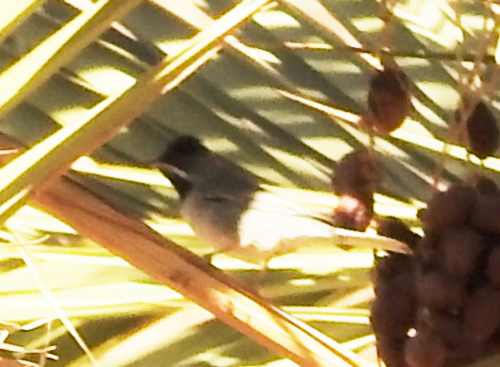 toutinegra-do-levante
Em resumo
A marca de campo mais confiável que separa a toutinegra-do-deserto-asiática da toutinegra-do-levante é a presença de uma íris amarela e bico e pernas amareladas na toutinegra-do-deserto-asiática, em contraste com o olho vermelho e pernas marrons da toutinegra-do-levante. O macho adulto da toutinegra-do-levante também é inconfundível com sua cabeça e garganta pretas, divididas por uma faixa malar branca afiada, enquanto a toutinegra-do-deserto-asiática é sempre de rosto liso e pálido. Fêmeas e imaturos de ambas as espécies são mais complicados, mas a toutinegra-do-deserto-asiática permanece mais pálida, arenosa e mais uniforme, sem nenhum padrão facial forte. A estrutura e o tamanho são semelhantes, mas a toutinegra-do-deserto-asiática é ligeiramente menor e mais arredondada. O habitat pode ajudar: a toutinegra-do-deserto-asiática é um pássaro de estepe ou deserto aberto e árido com arbustos dispersos, enquanto a toutinegra-do-levante prefere matagal mediterrâneo. As vocalizações diferem, mas são menos propensas a serem diagnósticas em um encontro breve.
Dicas de identificação
- Cor da íris: A toutinegra-do-deserto-asiática sempre tem uma íris amarela, mesmo em imaturos; a toutinegra-do-levante tem um olho vermelho em todas as plumagens. Esta é uma marca chave a curta distância.
- Cor do bico e pernas: A toutinegra-do-deserto-asiática apresenta bico e pernas amareladas, enquanto a toutinegra-do-levante tem pernas marrons e um bico mais escuro. Verifique as partes nuas em boa luz.
- Macho adulto da toutinegra-do-levante: Procure uma cabeça e garganta pretas com uma faixa malar branca afiada ('bigode'); a toutinegra-do-deserto-asiática nunca apresenta esse padrão.
- Padrão facial (fêmea/imatura): Fêmeas e imaturos da toutinegra-do-levante têm cabeça cinza (não preta), garganta pálida e uma faixa malar sutil, mas presente; a toutinegra-do-deserto-asiática é sempre de rosto liso, sem forte contraste ou faixa.
- Cor das partes superiores: A toutinegra-do-deserto-asiática é cinza-pálido e arenosa, misturando-se com fundos desérticos; a toutinegra-do-levante é cinza mais simples com um tom marronáceo, especialmente nas fêmeas.
- Partes inferiores: Ambas são pálidas por baixo, mas a toutinegra-do-deserto-asiática é mais uniformemente esbranquiçada, enquanto a toutinegra-do-levante pode mostrar um leve contraste entre as partes inferiores mais claras e os flancos acinzentados.
- Contraste geral: A toutinegra-do-deserto-asiática é muito uniforme e carece de contrastes fortes; a toutinegra-do-levante, mesmo em fêmeas/imaturos, mostra mais padrão facial e contraste.
- Estrutura: A toutinegra-do-deserto-asiática é ligeiramente mais compacta e de corpo arredondado; a toutinegra-do-levante é esbelta e ligeiramente mais longa, mas isso é sutil e não confiável por si só.
- Comportamento alimentar: A toutinegra-do-deserto-asiática frequentemente se alimenta no chão em áreas abertas, enquanto a toutinegra-do-levante se mantém em arbustos e matagal.
- Habitat: A toutinegra-do-deserto-asiática é encontrada em estepe ou deserto aberto e árido com arbustos dispersos; a toutinegra-do-levante está em matagal mediterrâneo. Use o habitat como uma forte pista contextual.
- Canto: O canto da toutinegra-do-deserto-asiática é um jingle musical com notas ásperas, frequentemente em voo; o da toutinegra-do-levante é um chocalho mais lento e profundo. Use se ouvido bem.
- Dimorfismo sexual: Apenas a toutinegra-do-levante mostra fortes diferenças entre machos e fêmeas; os sexos da toutinegra-do-deserto-asiática são quase idênticos.
- Padrão das asas: Nenhum padrão distintivo de asas juvenis ou imaturas é descrito para nenhuma das espécies, então confie em outras marcas para jovens pássaros.
- Contexto sazonal: A toutinegra-do-deserto-asiática é uma migrante de longa distância entre a Ásia Central e o nordeste da África/Arábia; a toutinegra-do-levante se reproduz no sudeste da Europa e inverna no nordeste da África. Fora de alcance, considere a vagância.
- Armadilhas: A fêmea da toutinegra-do-levante pode parecer simples, mas sempre verifique se há olho vermelho e faixa malar sutil; a toutinegra-do-deserto-asiática nunca apresenta essas características. Em luz fraca, cuidado com o erro de julgamento da cor das pernas e do bico.
Tamanho
A toutinegra-do-deserto-asiática é a segunda menor toutinegra do gênero Curruca, medindo 11,5–12,5 cm de comprimento [wikipedia]. A toutinegra-do-levante é semelhante em tamanho, mas é descrita como mais esbelta que a toutinegra-dos-valados; nenhuma medida precisa é dada aqui, mas ambas são pequenas e esbeltas. No campo, a toutinegra-do-deserto-asiática pode parecer ligeiramente mais compacta e arredondada, enquanto a toutinegra-do-levante é um pouco mais longa e esbelta. O tamanho sozinho não é confiável para separação.
Plumagem
Nenhuma diferença de padrão de asa ou de voo específica para a idade é documentada para essas duas espécies. Para adultos, a toutinegra-do-deserto-asiática é cinza-pálido e marronada por cima, com asas e cauda mais marrons, e esbranquiçada por baixo; a impressão geral é muito simples e arenosa. Ambos os sexos parecem semelhantes, com pouco contraste ou padrão facial, e uma íris amarela. O macho adulto da toutinegra-do-levante é distintivo: costas cinzas simples, cabeça e garganta pretas separadas por uma faixa malar branca afiada, olhos vermelhos e pernas marrons. Fêmeas e imaturos da toutinegra-do-levante têm cabeça cinza (não preta), garganta pálida e costas cinzas com um tom marronáceo; elas mantêm o olho vermelho e as pernas marrons, e mostram mais contraste no rosto do que a toutinegra-do-deserto-asiática. A toutinegra-do-deserto-asiática nunca apresenta cabeça preta ou faixa malar forte, e sempre tem partes nuas amareladas. Marcas de asas específicas para juvenis/imaturos não são descritas para nenhuma das espécies.
Comportamento
A toutinegra-do-deserto-asiática frequentemente se alimenta no chão, o que é incomum para as toutinegras e pode ser uma pista comportamental útil. A toutinegra-do-levante se comporta mais como uma Curruca típica, forrageando em arbustos baixos e matagal. Ambas podem ser ativas e nervosas, mas o hábito de alimentação no chão da toutinegra-do-deserto-asiática é notável em habitats abertos.
Habitat
A toutinegra-do-deserto-asiática se reproduz e inverna em deserto aberto e árido ou estepe seca com arbustos dispersos, frequentemente longe de vegetação densa. A toutinegra-do-levante é um pássaro de matagal mediterrâneo, reproduzindo-se na Grécia, Turquia e ilhas próximas, e invernando no nordeste da África. Se o pássaro estiver em verdadeiro deserto ou estepe, a toutinegra-do-deserto-asiática é muito mais provável; em matagal mediterrâneo denso e arbustivo, a toutinegra-do-levante é esperada. A sobreposição é mínima, exceto durante a migração.
Voz
O canto da toutinegra-do-deserto-asiática é um jingle distintivo, frequentemente entregue em voo, com uma mistura de notas claras e ásperas. O canto da toutinegra-do-levante é um chocalho mais lento e profundo, menos musical do que o da toutinegra-do-deserto-asiática. Os cantos são bastante diferentes, mas ambos podem ser variáveis e nem sempre são ouvidos no campo. Chamadas não são descritas nas notas fornecidas.
toutinegra-do-deserto-asiática · toutinegra-do-levante · Minhas aves difíceis