

Sterpazzola nana vs Bigia di Rueppell
Curruca nana contro Curruca ruppeli
Fai un quiz con Sterpazzola nana e Bigia di Rueppell
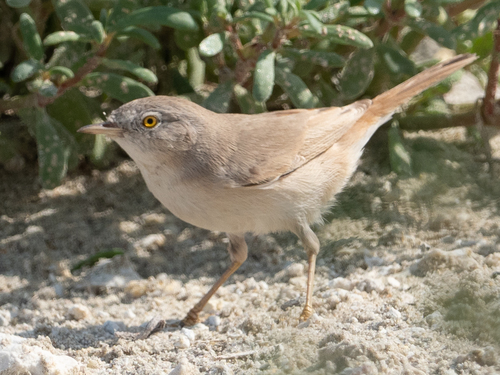 Sterpazzola nana
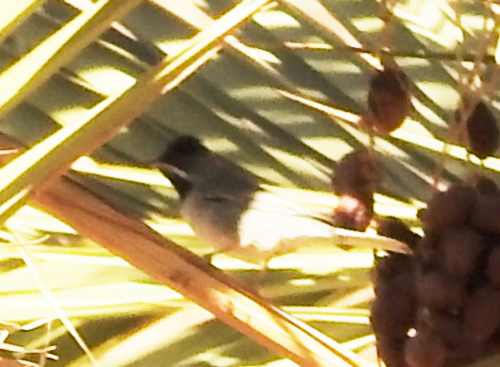 Bigia di Rueppell
In breve
Il segno di campo più affidabile che separa la Sterpazzola nana dalla Bigia di Rueppell è la presenza di un'iride gialla e di un becco e zampe giallastri nella Sterpazzola nana, rispetto all'occhio rosso e alle zampe marroni della Bigia di Rueppell. Il maschio adulto della Bigia di Rueppell è anche inconfondibile con la sua testa e gola nere, divise da una marcata striscia malare bianca, mentre la Sterpazzola nana ha sempre un volto semplice e pallido. Le femmine e gli immaturi di entrambe le specie sono più difficili da distinguere, ma la Sterpazzola nana rimane più chiara, sabbiosa e uniforme, priva di qualsiasi forte motivo facciale. La struttura e le dimensioni sono simili, ma la Sterpazzola nana è leggermente più piccola e rotonda. L'habitat può aiutare: la Sterpazzola nana è un uccello di steppa o deserto aperto e arido con cespugli sparsi, mentre la Bigia di Rueppell preferisce la macchia mediterranea. Le vocalizzazioni differiscono, ma è meno probabile che siano diagnostiche in un incontro breve.
Consigli di identificazione
- Colore dell'iride: La Sterpazzola nana ha sempre un'iride gialla, anche negli immaturi; la Bigia di Rueppell ha un occhio rosso in tutte le livree. Questo è un segno chiave a distanza ravvicinata.
- Colore del becco e delle zampe: La Sterpazzola nana mostra un becco e zampe giallastri, mentre la Bigia di Rueppell ha zampe marroni e un becco più scuro. Controlla le parti nude in buona luce.
- Maschio adulto di Bigia di Rueppell: Cerca una testa e gola nere con una marcata striscia malare bianca ('baffo'); la Sterpazzola nana non mostra mai questo motivo.
- Motivo facciale (femmina/immaturo): La femmina e l'immaturo di Bigia di Rueppell hanno una testa grigia (non nera), gola pallida e una sottile ma presente striscia malare; la Sterpazzola nana ha sempre un volto semplice, senza forti contrasti o strisce.
- Colore delle parti superiori: La Sterpazzola nana è grigio-bruna pallida e sabbiosa, fondendosi con gli sfondi desertici; la Bigia di Rueppell è grigia più semplice con una sfumatura marrone, specialmente nelle femmine.
- Parti inferiori: Entrambe sono chiare sotto, ma la Sterpazzola nana è più uniformemente biancastra, mentre la Bigia di Rueppell può mostrare un leggero contrasto tra le parti inferiori più chiare e i fianchi grigi.
- Contrasto generale: La Sterpazzola nana è molto uniforme e priva di forti contrasti; la Bigia di Rueppell, anche nella femmina/immaturo, mostra più motivo facciale e contrasto.
- Struttura: La Sterpazzola nana è leggermente più compatta e rotonda; la Bigia di Rueppell è snella e leggermente più lunga, ma questo è sottile e non affidabile da solo.
- Comportamento alimentare: La Sterpazzola nana spesso si nutre a terra in aree aperte, mentre la Bigia di Rueppell si attiene a cespugli e macchia.
- Habitat: La Sterpazzola nana si trova in steppa o deserto aperto e arido con cespugli sparsi; la Bigia di Rueppell è nella macchia mediterranea. Usa l'habitat come un forte indizio contestuale.
- Canto: Il canto della Sterpazzola nana è un jingle musicale con note aspre, spesso in volo; la Bigia di Rueppell è un ronzio più lento e profondo. Usa se sentito bene.
- Dimorfismo sessuale: Solo la Bigia di Rueppell mostra forti differenze maschio/femmina; i sessi della Sterpazzola nana sono quasi identici.
- Motivo delle ali: Non sono descritti motivi distintivi delle ali per giovani o immaturi per nessuna delle due specie, quindi fai affidamento su altri segni per i giovani uccelli.
- Contesto stagionale: La Sterpazzola nana è un migratore a lungo raggio tra l'Asia centrale e il nord-est dell'Africa/Arabia; la Bigia di Rueppell nidifica nel sud-est dell'Europa e sverna nel nord-est dell'Africa. Fuori dalla gamma, considera la vaganza.
- Trappole: La femmina di Bigia di Rueppell può apparire semplice, ma controlla sempre per l'occhio rosso e la sottile striscia malare; la Sterpazzola nana non mostra mai questi. In scarsa luce, fai attenzione a errori di giudizio sul colore delle zampe e del becco.
Taglia
La Sterpazzola nana è il secondo più piccolo dei warbler Curruca, misurando 11,5–12,5 cm di lunghezza [wikipedia]. La Bigia di Rueppell è simile per dimensioni, ma è descritta come più snella rispetto all'Occhiocotto; non è fornita qui una misura precisa, ma entrambi sono warbler piccoli e snelli. Sul campo, la Sterpazzola nana può apparire leggermente più compatta e rotonda, mentre la Bigia di Rueppell è un po' più lunga e snella. La dimensione da sola non è affidabile per la separazione.
Piumaggio
Non sono documentate differenze specifiche per età nei motivi delle ali superiori o nei modelli di volo per queste due specie. Per gli adulti, la Sterpazzola nana è grigio-bruna pallida sopra con ali e coda più marroni, e bianca sotto; l'impressione generale è molto semplice e sabbiosa. Entrambi i sessi sembrano simili, con poco contrasto o motivo facciale, e un'iride gialla. Il maschio adulto della Bigia di Rueppell è distintivo: dorso grigio semplice, testa e gola nere separate da una marcata striscia malare bianca, occhi rossi e zampe marroni. Le femmine e gli immaturi della Bigia di Rueppell hanno una testa grigia (non nera), gola pallida e un dorso grigio con una sfumatura marrone; mantengono l'occhio rosso e le zampe marroni, e mostrano più contrasto nel volto rispetto alla Sterpazzola nana. La Sterpazzola nana non mostra mai una testa nera o una forte striscia malare, e ha sempre parti nude giallastre. Non sono descritti segni specifici delle ali superiori per giovani/immaturi per nessuna delle due specie.
Comportamento
La Sterpazzola nana spesso si nutre a terra, il che è insolito per i warbler e può essere un utile indizio comportamentale. La Bigia di Rueppell si comporta più come un tipico Curruca, cercando cibo in cespugli bassi e macchia. Entrambi possono essere attivi e nervosi, ma l'abitudine della Sterpazzola nana di nutrirsi a terra è notevole negli habitat aperti.
Habitat
La Sterpazzola nana nidifica e sverna in un deserto aperto e arido o in una steppa secca con cespugli sparsi, spesso lontano da vegetazione densa. La Bigia di Rueppell è un uccello della macchia mediterranea, nidificando in Grecia, Turchia e isole vicine, e svernando nel nord-est dell'Africa. Se l'uccello si trova in un vero deserto o steppa, è molto più probabile che sia la Sterpazzola nana; nella macchia mediterranea densa e cespugliosa, ci si aspetta la Bigia di Rueppell. La sovrapposizione è minima tranne che durante la migrazione.
Voce
Il canto della Sterpazzola nana è un jingle distintivo, spesso eseguito in volo, con un mix di note chiare e aspre. Il canto della Bigia di Rueppell è un ronzio più lento e profondo, meno musicale rispetto a quello della Sterpazzola nana. I canti sono abbastanza diversi, ma entrambi possono essere variabili e non sempre sentiti sul campo. Le chiamate non sono descritte nelle note fornite.
Sterpazzola nana · Bigia di Rueppell · I miei uccelli difficili