

Curruca Enana vs Curruca de Rüppell
Curruca nana frente a Curruca ruppeli
Juega un quiz con Curruca Enana y Curruca de Rüppell
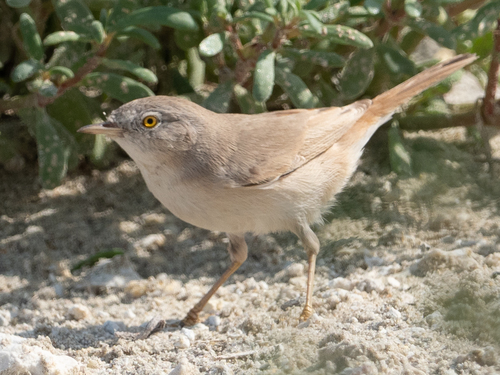 Curruca Enana
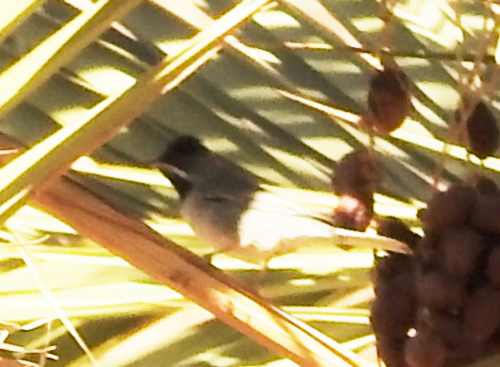 Curruca de Rüppell
En breve
La marca de campo más confiable que separa a la Curruca Enana de la Curruca de Rüppell es la presencia de un iris amarillo y un pico y patas amarillentos en la Curruca Enana, frente al ojo rojo y las patas marrones de la Curruca de Rüppell. El macho adulto de la Curruca de Rüppell también es inconfundible con su cabeza y garganta negras, divididas por una marcada franja malar blanca, mientras que la Curruca Enana siempre tiene la cara lisa y pálida. Las hembras y los inmaduros de ambas especies son más difíciles de distinguir, pero la Curruca Enana sigue siendo más pálida, arenosa y más uniforme, careciendo de cualquier patrón facial fuerte. La estructura y el tamaño son similares, pero la Curruca Enana es ligeramente más pequeña y redondeada. El hábitat puede ayudar: la Curruca Enana es un ave de estepa o desierto abierto y árido con arbustos dispersos, mientras que la Curruca de Rüppell prefiere matorrales mediterráneos. Las vocalizaciones difieren, pero son menos probables de ser diagnósticas en un encuentro breve.
Consejos de identificación
- Color del iris: La Curruca Enana siempre tiene un iris amarillo, incluso en inmaduros; la Curruca de Rüppell tiene un ojo rojo en todos los plumajes. Esta es una marca clave a corta distancia.
- Color del pico y patas: La Curruca Enana muestra un pico y patas amarillentos, mientras que la Curruca de Rüppell tiene patas marrones y un pico más oscuro. Verifica las partes desnudas con buena luz.
- Macho adulto de Rüppell: Busca una cabeza y garganta negras con una marcada franja malar blanca ('bigote'); la Curruca Enana nunca muestra este patrón.
- Patrón facial (hembra/inmaduro): Las hembras y los inmaduros de la Curruca de Rüppell tienen una cabeza gris (no negra), garganta pálida y una franja malar sutil pero presente; la Curruca Enana siempre tiene la cara lisa, sin un contraste o franja fuerte.
- Color de las partes superiores: La Curruca Enana es de un gris pálido-marrón y arenoso, fusionándose con los fondos desérticos; la Curruca de Rüppell es de un gris más simple con un matiz marrón, especialmente en las hembras.
- Partes inferiores: Ambas son pálidas por debajo, pero la Curruca Enana es más uniformemente blanquecina, mientras que la Curruca de Rüppell puede mostrar un ligero contraste entre las partes inferiores más pálidas y los flancos grisáceos.
- Contraste general: La Curruca Enana es muy uniforme y carece de contrastes fuertes; la Curruca de Rüppell, incluso en hembras/inmaduros, muestra más patrón facial y contraste.
- Estructura: La Curruca Enana es ligeramente más compacta y de cuerpo redondeado; la Curruca de Rüppell es esbelta y ligeramente más larga, pero esto es sutil y poco confiable por sí solo.
- Comportamiento alimenticio: La Curruca Enana a menudo se alimenta en el suelo en áreas abiertas, mientras que la Curruca de Rüppell se adhiere a arbustos y matorrales.
- Hábitat: La Curruca Enana se encuentra en estepas o desiertos abiertos y áridos con arbustos dispersos; la Curruca de Rüppell está en matorrales mediterráneos. Usa el hábitat como una pista contextual fuerte.
- Canto: El canto de la Curruca Enana es un jingle musical con notas ásperas, a menudo en vuelo; el canto de la Curruca de Rüppell es un traqueteo más lento y profundo. Úsalo si se escucha bien.
- Dimorfismo sexual: Solo la Curruca de Rüppell muestra diferencias fuertes entre machos y hembras; los sexos de la Curruca Enana son casi idénticos.
- Patrón de alas: No se describen patrones de alas juveniles o inmaduros distintivos para ninguna de las especies, así que confía en otras marcas para las aves jóvenes.
- Contexto estacional: La Curruca Enana es un migrante de larga distancia entre Asia central y el noreste de África/Arabia; la Curruca de Rüppell cría en el sureste de Europa y pasa el invierno en el noreste de África. Fuera de su rango, considera la vagancia.
- Trampas: La hembra de Rüppell puede parecer simple, pero siempre verifica el ojo rojo y la sutil franja malar; la Curruca Enana nunca muestra estos. En luz pobre, ten cuidado con el error de juicio sobre el color de las patas y el pico.
Tamaño
La Curruca Enana es la segunda más pequeña de las currucas, midiendo 11.5–12.5 cm de longitud [wikipedia]. La Curruca de Rüppell es similar en tamaño, pero se describe como más esbelta que la Curruca Cabecinegra; no se da aquí una medida precisa, pero ambas son currucas pequeñas y esbeltas. En el campo, la Curruca Enana puede parecer ligeramente más compacta y de cuerpo redondeado, mientras que la Curruca de Rüppell es un poco más larga y esbelta. El tamaño por sí solo no es confiable para la separación.
Plumaje
No se documentan diferencias específicas de edad en el patrón de las alas o en el vuelo para estas dos especies. Para los adultos, la Curruca Enana es de un gris pálido-marrón por encima con alas y cola más marrones, y blanquecina por debajo; la impresión general es muy simple y arenosa. Ambos sexos se ven similares, con poco contraste o patrón facial, y un iris amarillo. El macho adulto de la Curruca de Rüppell es distintivo: espalda gris simple, cabeza y garganta negras separadas por una marcada franja malar blanca, ojos rojos y patas marrones. Las hembras y los inmaduros de la Curruca de Rüppell tienen una cabeza gris (no negra), garganta pálida y una espalda gris con un matiz marrón; retienen el ojo rojo y las patas marrones, y muestran más contraste en la cara que la Curruca Enana. La Curruca Enana nunca muestra una cabeza negra o una fuerte franja malar, y siempre tiene partes desnudas amarillentas. No se describen marcas específicas de alas para juveniles/inmaduros para ninguna de las especies.
Comportamiento
La Curruca Enana a menudo se alimenta en el suelo, lo cual es inusual para las currucas y puede ser una pista de comportamiento útil. La Curruca de Rüppell se comporta más como una Curruca típica, buscando alimento en arbustos bajos y matorrales. Ambas pueden ser activas y asustadizas, pero el hábito de alimentación en el suelo de la Curruca Enana es notable en hábitats abiertos.
Hábitat
La Curruca Enana cría y pasa el invierno en desiertos abiertos y áridos o estepas secas con arbustos dispersos, a menudo lejos de vegetación densa. La Curruca de Rüppell es un ave de matorrales mediterráneos, criando en Grecia, Turquía y islas cercanas, y pasando el invierno en el noreste de África. Si el ave está en un verdadero desierto o estepa, es mucho más probable que sea la Curruca Enana; en matorrales mediterráneos densos y arbustivos, se espera la Curruca de Rüppell. La superposición es mínima excepto durante la migración.
Voz
El canto de la Curruca Enana es un jingle distintivo, a menudo entregado en vuelo, con una mezcla de notas claras y ásperas. El canto de la Curruca de Rüppell es un traqueteo más lento y profundo, menos musical que el de la Curruca Enana. Los cantos son bastante diferentes, pero ambos pueden ser variables y no siempre se escuchan en el campo. No se describen llamadas en las notas proporcionadas.