

andaman cuckoo-dove vs rabo-de-palha-de-cauda-vermelha
Macropygia rufipennis versus Phaethon rubricauda
Jogue um quiz com andaman cuckoo-dove e rabo-de-palha-de-cauda-vermelha
 andaman cuckoo-dove
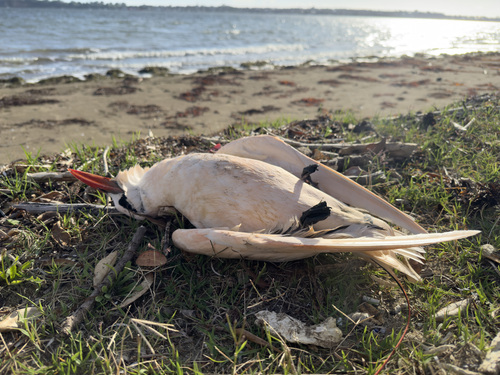 rabo-de-palha-de-cauda-vermelha
Em resumo
A marca de campo mais confiável para separar esses dois é a plumagem e estrutura geral: os adultos de rabo-de-palha-de-cauda-vermelha (e imaturos) são strikingly brancos com um longo streamer de cauda vermelha e um bico vermelho brilhante, enquanto o andaman cuckoo-dove é um pombo esbelto, uniformemente marrom-ruço, sem destaques brancos ou vermelhos. Os juvenis de rabo-de-palha-de-cauda-vermelha têm listras pretas distintas e escamas nas partes superiores e coberturas das asas superiores, o que nunca ocorre no andaman cuckoo-dove. Em voo, as longas asas pontudas e a cauda streamer do tropicbird contrastam fortemente com as asas mais curtas e arredondadas do pombo e a longa cauda graduada. O pombo é terrestre e empoleira-se em florestas, enquanto o tropicbird é uma espécie marinha, raramente vista em áreas interiores. Os chamados também são totalmente diferentes: o pombo emite um 'whoo-whup' repetido, enquanto o tropicbird é geralmente silencioso em voo.
Dicas de identificação
- O juvenil de rabo-de-palha-de-cauda-vermelha tem listras pretas proeminentes e escamas nas partes superiores e coberturas das asas superiores; o andaman cuckoo-dove é sempre marrom-ruço liso, sem listras ou escamas.
- O adulto de rabo-de-palha-de-cauda-vermelha é quase puro branco com uma máscara preta e um longo streamer de cauda vermelha; o andaman cuckoo-dove é uniformemente marrom-ruço, sem máscara ou streamer.
- A cor do bico é diagnóstica: o rabo-de-palha-de-cauda-vermelha tem um bico vermelho brilhante (adulto) ou cinza-escuro com base azul (imaturos); o andaman cuckoo-dove tem um bico típico de pombo, nunca vermelho ou azul.
- Em voo, o tropicbird mostra longas asas pontudas e streamers; o pombo tem asas curtas e arredondadas e uma longa cauda graduada, sem streamers.
- As asas do tropicbird são brancas com chevrons escuros e eixos escuros; as asas do pombo são uniformemente marrom-ruço, sem marcas contrastantes.
- O rabo-de-palha-de-cauda-vermelha é muito maior em envergadura e comprimento, apesar da massa corporal semelhante; ele parece mais alongado e semelhante a uma gaivota em voo.
- O andaman cuckoo-dove é sempre encontrado em habitats terrestres florestais; o rabo-de-palha-de-cauda-vermelha é estritamente marinho, visto sobre o oceano ou em colônias de ilhas remotas.
- O tropicbird raramente é visto empoleirado, exceto em locais de reprodução; o pombo é frequentemente visto empoleirado em árvores.
- O chamado do pombo é um 'whoo-whup' repetido; o tropicbird é silencioso em voo, emitindo apenas gritos curtos ou rosnados no ninho.
- Nenhuma idade ou sexo do andaman cuckoo-dove nunca mostra branco, máscara preta ou bico/streamer de cauda vermelha.
- Nenhuma idade ou sexo do rabo-de-palha-de-cauda-vermelha é marrom-ruço ou liso; mesmo os juvenis são brancos com listras pretas.
- Se visto voando baixo sobre o mar ou pairando acima de penhascos, é o tropicbird; se em densa floresta, é o pombo.
- Os streamers da cauda do tropicbird podem ser difíceis de ver à distância, mas a plumagem branca e o bico vermelho ainda são distintivos.
- O voo do pombo é direto e baixo; o voo do tropicbird é flutuante, deslizante e muitas vezes alto acima da água.
- Se você vê um pássaro marrom-ruço, em forma de pombo, com uma longa cauda e sem branco, é o andaman cuckoo-dove; se você vê uma grande ave marinha branca com bico vermelho e streamers, é o rabo-de-palha-de-cauda-vermelha.
Tamanho
Apesar do andaman cuckoo-dove ser ligeiramente mais pesado por massa (260g vs. 219g), o rabo-de-palha-de-cauda-vermelha é muito maior em dimensões gerais, com uma envergadura de 111–119 cm e um comprimento total (incluindo streamers de cauda) de 95–104 cm. O pombo é um pequeno e esbelto pombo, enquanto o tropicbird é uma grande ave marinha robusta com uma envergadura e cauda muito mais longas. No campo, o tropicbird parece muito maior e mais alongado, especialmente quando voa, devido às suas longas asas e streamers de cauda.
Plumagem
- Juvenil/imaturo de rabo-de-palha-de-cauda-vermelha: Mostra listras pretas proeminentes e escamas na coroa, nuca, manto, costas, rabo e coberturas das asas superiores. O bico é cinza-escuro com uma base azul-cinza. Não há tons de ferrugem ou marrom. Essas marcas nunca estão presentes em qualquer idade do andaman cuckoo-dove.
- Adulto de rabo-de-palha-de-cauda-vermelha: Quase totalmente branco, às vezes com um tom rosa, com uma máscara preta ao redor do olho e um longo streamer de cauda vermelha. O bico é vermelho brilhante. As asas são brancas com chevrons escuros nos tertiais e eixos escuros nos primários. Não há coloração de ferrugem ou marrom em lugar algum.
- Andaman Cuckoo-Dove (todas as idades): Uniformemente marrom-ruço ou rufo em toda parte, sem branco, máscara preta ou bico/cauda vermelha. A plumagem é lisa, sem listras ou escamas. A cauda é longa e graduada, mas nunca tem streamers ou cores contrastantes.
- Em voo: O tropicbird mostra asas superiores brancas com chevrons escuros e longos streamers; o pombo mostra asas e cauda uniformemente marrom-ruço, sem marcas contrastantes.
Comportamento
O rabo-de-palha-de-cauda-vermelha é um voador forte e ágil, frequentemente visto deslizando ou pairando sobre o oceano aberto, raramente empoleirando-se, exceto em locais de reprodução. Seu voo é flutuante e semelhante ao de uma gaivota, com longas asas pontudas e streamers. O andaman cuckoo-dove é um pombo terrestre, habitante de florestas, geralmente visto empoleirado silenciosamente em árvores ou voando curtas distâncias com um voo direto e baixo. Ele nunca desliza ou paira como um tropicbird e não é visto sobre águas abertas.
Habitat
O andaman cuckoo-dove é endêmico das Ilhas Andaman e Nicobar e é estritamente terrestre, encontrado em habitats florestais. Ele nunca é visto no mar ou ao longo da costa. O rabo-de-palha-de-cauda-vermelha é uma ave marinha pelágica dos oceanos Índico e Pacífico, vindo à terra apenas para reproduzir, geralmente em ilhas remotas ou penhascos. Ele nunca é encontrado em florestas ou habitats interiores. Se visto no mar ou ao longo de costas rochosas, é quase certamente o tropicbird; se profundamente na floresta, é o pombo.
Voz
O andaman cuckoo-dove emite um 'whoo-whup' repetido, com a primeira nota arrastada e a segunda mais curta e aguda. O rabo-de-palha-de-cauda-vermelha é geralmente silencioso em voo, emitindo apenas gritos curtos no ninho ou um chamado baixo de rosnado em defesa. Seus chamados não são semelhantes e é improvável que sejam confundidos.
andaman cuckoo-dove · rabo-de-palha-de-cauda-vermelha · Minhas aves difíceis