

Andaman Cuckoo-Dove vs Red-tailed Tropicbird
Macropygia rufipennis contro Phaethon rubricauda
Fai un quiz con Andaman Cuckoo-Dove e Red-tailed Tropicbird
 Andaman Cuckoo-Dove
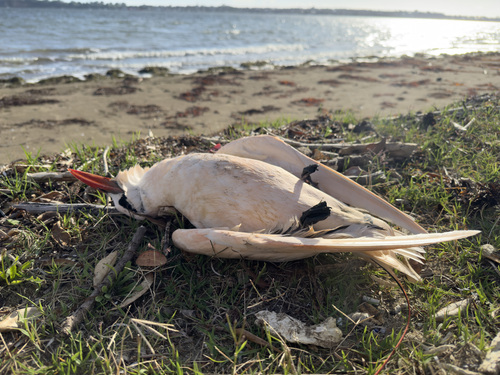 Red-tailed Tropicbird
In breve
Il segno distintivo più affidabile per separare questi due è il piumaggio e la struttura complessivi: gli adulti di Red-tailed Tropicbird (e gli immaturi) sono bianchi in modo sorprendente con un lungo streamer rosso della coda e un becco rosso brillante, mentre l'Andaman Cuckoo-Dove è un piccione snello di un uniforme marrone ruggine, senza evidenti tonalità bianche o rosse. I giovani Red-tailed Tropicbirds hanno distintive striature nere e squame sulle parti superiori e sulle copritrici delle ali superiori, che non si verificano mai nell'Andaman Cuckoo-Dove. In volo, le lunghe ali appuntite e la coda streamer del tropicbird contrastano nettamente con le ali più corte e arrotondate e la lunga coda graduata del piccione. Il piccione è terrestre e si posiziona sugli alberi, mentre il tropicbird è una specie marina, raramente vista nell'entroterra. Anche i richiami sono totalmente diversi: il piccione emette un ripetuto 'whoo-whup', mentre il tropicbird è generalmente silenzioso in volo.
Consigli di identificazione
- Il giovane Red-tailed Tropicbird ha striature nere prominenti e squame sulle parti superiori e sulle copritrici delle ali superiori; l'Andaman Cuckoo-Dove è sempre di un marrone ruggine uniforme senza striature o squame.
- L'adulto Red-tailed Tropicbird è quasi completamente bianco con una maschera nera e un lungo streamer rosso della coda; l'Andaman Cuckoo-Dove è uniformemente marrone ruggine senza maschera o streamer.
- Il colore del becco è diagnostico: il Red-tailed Tropicbird ha un becco rosso brillante (adulto) o grigio scuro con base blu (immaturo); l'Andaman Cuckoo-Dove ha un becco tipico da piccione, mai rosso o blu.
- In volo, il tropicbird mostra lunghe ali appuntite e streamer; il piccione ha ali corte e arrotondate e una lunga coda graduata senza streamer.
- Le ali del tropicbird sono bianche con chevron scuri e fusti scuri; le ali del piccione sono uniformemente marrone ruggine senza segni contrastanti.
- Il Red-tailed Tropicbird è molto più grande in apertura alare e lunghezza, nonostante una massa corporea simile; appare più allungato e simile a un gabbiano in volo.
- L'Andaman Cuckoo-Dove si trova sempre in habitat terrestri forestali; il Red-tailed Tropicbird è strettamente marino, visto sopra l'oceano o in colonie su isole remote.
- Il tropicbird è raramente visto posato tranne che nei siti di nidificazione; il piccione è spesso visto posato sugli alberi.
- Il richiamo del piccione è un ripetuto 'whoo-whup'; il tropicbird è silenzioso in volo, emettendo solo brevi squittii o ringhi al nido.
- Nessuna età o sesso dell'Andaman Cuckoo-Dove mostra mai bianco, maschera nera o becco/coda streamer rossa.
- Nessuna età o sesso del Red-tailed Tropicbird è marrone ruggine o semplice; anche i giovani sono bianchi con striature nere.
- Se visto volare basso sopra il mare o planare sopra le scogliere, è il tropicbird; se in una foresta densa, è il piccione.
- Gli streamer della coda del tropicbird possono essere difficili da vedere a distanza, ma il piumaggio bianco e il becco rosso sono comunque distintivi.
- Il volo del piccione è diretto e basso; il volo del tropicbird è galleggiante, planante e spesso alto sopra l'acqua.
- Se vedi un uccello di forma di piccione marrone ruggine con una lunga coda e senza bianco, è l'Andaman Cuckoo-Dove; se vedi un grande uccello marino bianco con becco rosso e streamer, è il Red-tailed Tropicbird.
Taglia
Nonostante l'Andaman Cuckoo-Dove sia leggermente più pesante per massa (260g contro 219g), il Red-tailed Tropicbird è molto più grande nelle dimensioni complessive, con un'apertura alare di 111–119 cm e una lunghezza totale (inclusi gli streamer della coda) di 95–104 cm. Il piccione è un piccolo piccione snello, mentre il tropicbird è un grande uccello marino robusto con un'apertura alare e una coda molto più lunghe. Sul campo, il tropicbird appare molto più grande e più allungato, specialmente in volo, a causa delle sue lunghe ali e degli streamer della coda.
Piumaggio
- Giovane/immaturo Red-tailed Tropicbird: Mostra striature nere prominenti e squame sulla corona, sul nape, sul mantello, sulla schiena, sul coda e sulle copritrici superiori delle ali. Il becco è grigio scuro con una base blu-grigia. Nessuna tonalità ruggine o marrone. Questi segni non sono mai presenti in nessuna età dell'Andaman Cuckoo-Dove.
- Adulto Red-tailed Tropicbird: Quasi completamente bianco, a volte con una sfumatura rosa, con una maschera nera attraverso l'occhio e un lungo streamer rosso della coda. Il becco è rosso brillante. Le ali sono bianche con chevron scuri sui tertiali e fusti scuri sulle primarie. Nessuna colorazione ruggine o marrone ovunque.
- Andaman Cuckoo-Dove (tutte le età): Uniformemente marrone ruggine o rufous in tutto, senza bianco, maschera nera o becco/coda rossa. Il piumaggio è semplice, privo di qualsiasi striatura o squame. La coda è lunga e graduata ma non ha mai streamer o colori contrastanti.
- In volo: Il tropicbird mostra ali superiori bianche con chevron scuri e lunghi streamer; il piccione mostra ali e coda uniformemente marrone ruggine, senza segni contrastanti.
Comportamento
Il Red-tailed Tropicbird è un forte e agile volatore, spesso visto planare o librarsi sopra l'oceano aperto, raramente posato tranne che nei siti di nidificazione. Il suo volo è galleggiante e simile a un gabbiano, con lunghe ali appuntite e streamer. L'Andaman Cuckoo-Dove è un piccione terrestre che vive nelle foreste, solitamente visto posato tranquillamente sugli alberi o volando per brevi distanze con un volo diretto e basso. Non plana mai o si libra come un tropicbird e non è visto sopra acque aperte.
Habitat
L'Andaman Cuckoo-Dove è endemico delle Isole Andamane e Nicobare ed è strettamente terrestre, trovato in habitat forestali. Non è mai visto in mare o lungo la costa. Il Red-tailed Tropicbird è un uccello marino pelagico degli oceani Indiano e Pacifico, che viene a terra solo per nidificare, solitamente su isole remote o scogliere. Non si trova mai in habitat forestali o interni. Se visto in mare o lungo coste rocciose, è quasi certamente il tropicbird; se in una foresta profonda, è il piccione.
Voce
L'Andaman Cuckoo-Dove emette un ripetuto richiamo a doppia nota 'whoo-whup', con la prima nota slargata e la seconda più corta e di tono più alto. Il Red-tailed Tropicbird è generalmente silenzioso in volo, emettendo solo brevi squittii al nido o un richiamo basso ringhioso in difesa. I loro richiami non sono simili e sono improbabili da confondere.
Andaman Cuckoo-Dove · Red-tailed Tropicbird · I miei uccelli difficili