

alström's warbler vs felosa-verde-listada
Phylloscopus soror versus Phylloscopus plumbeitarsus
Jogue um quiz com alström's warbler e felosa-verde-listada
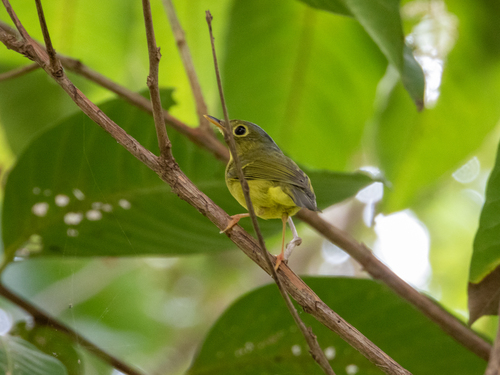 alström's warbler
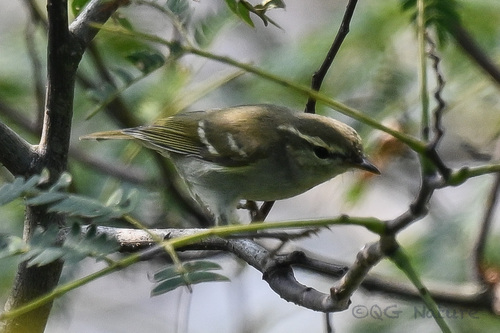 felosa-verde-listada
Em resumo
A marca de campo mais confiável entre alström's warbler e felosa-verde-listada é a presença ou ausência de faixas nas asas: felosa-verde-listada apresenta duas faixas pálidas proeminentes nas coberturas em todas as idades, enquanto alström's warbler não possui essas faixas e, em vez disso, tem uma asa mais simples. Alström's também tem um bico maior, cauda mais curta e uma borda branca mais distinta nas penas da cauda externa, que pode ser vista em voo ou quando a cauda está aberta. Ambas as espécies podem parecer semelhantes em forma e tamanho geral, mas a atenção cuidadosa ao padrão das asas e à estrutura da cauda é fundamental, especialmente em aves não reprodutoras ou imaturas. A sobreposição de habitat é possível durante a migração, então marcas visuais de campo são cruciais.
Dicas de identificação
- As faixas nas asas são o separador mais confiável: Felosa-verde-listada sempre mostra duas faixas pálidas nas coberturas, visíveis em todas as idades e estações. Alström's warbler nunca mostra essas; suas asas são simples.
- Verifique as penas da cauda externa: Alström's tem uma borda branca mais distinta nas penas da cauda externa, especialmente visível quando a ave abre a cauda ou em voo. Felosa-verde-listada não possui essa característica.
- Estrutura do bico e da cauda: Alström's warbler tem um bico maior e mais pesado e uma cauda mais curta em comparação com felosa-verde-listada. Isso é sutil, mas pode ajudar quando as aves estão lado a lado ou em boas visões.
- Anel ocular: Alström's apresenta um anel ocular amarelo distinto, às vezes difuso acima do olho, que não é uma característica de felosa-verde-listada.
- Coroa e coloração das costas: Alström's tem uma coroa preto-acizentada com listras pretas e uma mistura de verde ao redor dos olhos, enquanto felosa-verde-listada é geralmente mais simples na parte superior, exceto pelas faixas nas asas.
- Parte inferior: Alström's tem uma parte inferior amarelo-esverdeada vibrante; as partes inferiores de felosa-verde-listada não são descritas como distintivas nas notas, então essa é uma marca secundária.
- Aves juvenis e de primeiro inverno: O padrão de faixas nas asas está presente em felosa-verde-listada mesmo em aves jovens, tornando essa marca confiável para imaturos e adultos.
- Empoleiradas vs. em voo: As faixas nas asas de felosa-verde-listada são visíveis tanto quando empoleiradas quanto em voo; as bordas brancas da cauda de Alström's podem ser mais fáceis de ver em voo ou quando a cauda está aberta.
- Habitat e distribuição: Se vistas no sul da China fora da estação de reprodução, ambas as espécies são possíveis; não confie apenas na localização para identificação.
- Tamanho não é um separador forte: Ambas são semelhantes em comprimento e estrutura geral; qualquer diferença é sutil e facilmente perdida em campo.
- Confusão sazonal: Ambas as espécies trocam penas antes da migração de outono, mas isso não afeta a presença de faixas nas asas em felosa-verde-listada. Alström's permanece com asas simples durante todo o ano.
- Diferenças sexuais: A fêmea de Alström's é ligeiramente menor que o macho, mas isso não é uma marca de campo confiável.
- Outras espécies semelhantes: Alström's pode ser confundida com outras felosas (Martens's, Gray-crowned, White-speckled, Bianchi's), mas entre essas duas, a diferença das faixas nas asas é decisiva.
- Quando em dúvida: Se você vê duas faixas claras nas asas, é felosa-verde-listada. Se a asa é simples e você vê uma borda branca forte na cauda, considere Alström's.
- Aarmadilhas: Luz fraca ou plumagem desgastada podem obscurecer marcas sutis, mas a presença ou ausência de faixas nas asas é robusta mesmo em condições menos que ideais.
Tamanho
Alström's warbler mede 11–12 cm de comprimento, com fêmeas ligeiramente menores que machos. Não há medida direta para felosa-verde-listada nas notas fornecidas, mas ambas são típicas do gênero Phylloscopus e semelhantes em tamanho geral. Qualquer diferença de tamanho em campo é sutil e não é um separador confiável.
Plumagem
A diferença de plumagem mais diagnóstica é o padrão das asas: felosa-verde-listada (de todas as idades e estações) mostra duas faixas pálidas formadas pelas pontas das coberturas medianas e maiores, que são óbvias tanto em aves empoleiradas quanto em voo. Alström's warbler não possui essas faixas, apresentando uma asa muito mais simples. Em vez disso, Alström's tem uma coroa preto-acizentada com listras pretas, uma parte inferior amarelo-esverdeada e um anel ocular amarelo distinto (às vezes difuso acima do olho). As penas da cauda externa de Alström's têm um forro branco mais distinto, especialmente visível em voo ou quando a cauda está aberta, o que não é uma característica de felosa-verde-listada. Ambas as espécies passam por muda antes da migração de outono, mas isso não altera o padrão das faixas nas asas em felosa-verde-listada. Aves juvenis e de primeiro inverno de felosa-verde-listada ainda mostram as faixas, tornando essa marca confiável para todas as idades.
Comportamento
Nenhuma diferença comportamental distintiva é descrita nas notas. Ambas as espécies são típicas felosas ativas do gênero Phylloscopus, forrageando na folhagem e frequentemente batendo suas asas e caudas.
Habitat
Alström's warbler se reproduz apenas na China e inverna no Sudeste Asiático (Tailândia, Laos, Camboja, Vietnã), preferindo florestas temperadas. Felosa-verde-listada se reproduz mais ao norte, na Mongólia do Norte, Manchúria e sul da Sibéria. Ambas são migratórias e podem se sobrepor no sul da China durante a migração, mas Alström's é mais ao sul no inverno. O habitat por si só não é diagnóstico onde suas distribuições se sobrepõem.
alström's warbler · felosa-verde-listada · Minhas aves difíceis