

Mosquitero Soror vs Mosquitero Patigrís
Phylloscopus soror frente a Phylloscopus plumbeitarsus
Juega un quiz con Mosquitero Soror y Mosquitero Patigrís
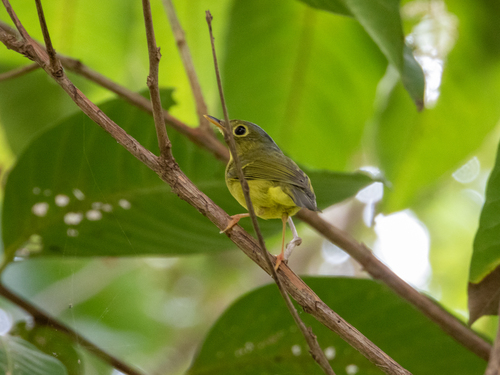 Mosquitero Soror
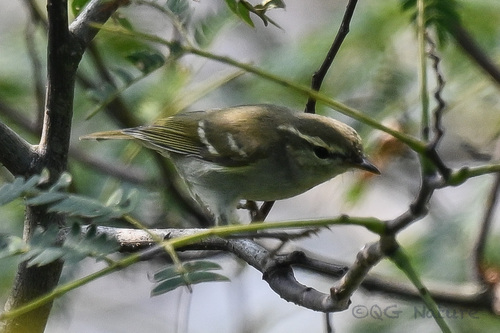 Mosquitero Patigrís
En breve
La marca de campo más confiable entre el Mosquitero Soror y el Mosquitero Patigrís es la presencia o ausencia de bandas alares: el Mosquitero Patigrís muestra dos bandas alares pálidas prominentes en las cobertoras en todas las edades, mientras que el Mosquitero Soror carece de estas y en su lugar tiene un ala más simple. El Mosquitero Soror también tiene un pico más grande, una cola más corta y un borde blanco más distintivo en las plumas de la cola exterior, que se puede ver en vuelo o cuando la cola está extendida. Ambas especies pueden parecer similares en forma y tamaño generales, pero prestar atención cuidadosa al patrón de las alas y la estructura de la cola es clave, especialmente en aves no reproductivas o inmaduras. La superposición de hábitats es posible durante la migración, por lo que las marcas visuales de campo son cruciales.
Consejos de identificación
- Las bandas alares son el separador más confiable: El Mosquitero Patigrís siempre muestra dos bandas alares pálidas en las cobertoras, visibles en todas las edades y estaciones. El Mosquitero Soror nunca muestra estas; sus alas son simples.
- Revisa las plumas de la cola exterior: El Mosquitero Soror tiene un borde blanco más distintivo en las plumas de la cola exterior, especialmente visible cuando el ave extiende su cola o en vuelo. El Mosquitero Patigrís carece de esta característica.
- Estructura del pico y la cola: El Mosquitero Soror tiene un pico más grande y pesado y una cola más corta en comparación con el Mosquitero Patigrís. Esto es sutil pero puede ayudar cuando las aves están una al lado de la otra o en buenas vistas.
- Anillo ocular: El Mosquitero Soror muestra un anillo ocular amarillo distintivo, a veces difuso sobre el ojo, que no es una característica del Mosquitero Patigrís.
- Coloración de la corona y la espalda: El Mosquitero Soror tiene una corona negro-grisácea con rayas negras y una mezcla de verde alrededor de los ojos, mientras que el Mosquitero Patigrís es generalmente más simple por encima, excepto por las bandas alares.
- Partes inferiores: El Mosquitero Soror tiene un vientre amarillo-verdososo vibrante; las partes inferiores del Mosquitero Patigrís no se describen como distintivas en las notas, por lo que esta es una marca secundaria.
- Aves juveniles y de primer invierno: El patrón de bandas alares está presente en el Mosquitero Patigrís incluso en aves jóvenes, haciendo que esta marca sea confiable para inmaduros así como para adultos.
- Posado vs. en vuelo: Las bandas alares en el Mosquitero Patigrís son visibles tanto cuando está posado como en vuelo; los bordes blancos de la cola del Mosquitero Soror pueden ser más fáciles de ver en vuelo o cuando la cola está extendida.
- Hábitat y rango: Si se ve en el sur de China fuera de la temporada de cría, ambas especies son posibles; no confíes solo en la ubicación para la identificación.
- El tamaño no es un separador fuerte: Ambas son similares en longitud y estructura generales; cualquier diferencia es sutil y fácilmente pasada por alto en el campo.
- Confusión estacional: Ambas especies mudan antes de la migración de otoño, pero esto no afecta la presencia de bandas alares en el Mosquitero Patigrís. El Mosquitero Soror permanece con alas simples durante todo el año.
- Diferencias sexuales: La hembra del Mosquitero Soror es ligeramente más pequeña que el macho, pero esto no es una marca de campo confiable.
- Otras especies similares: El Mosquitero Soror puede confundirse con otros mosquiteros de Phylloscopus (Mosquitero de Martens, Mosquitero de Corona Gris, Mosquitero de Manchas Blancas, Mosquitero de Bianchi), pero entre estos dos, la diferencia de bandas alares es decisiva.
- Cuando tengas dudas: Si ves dos bandas alares claras, es el Mosquitero Patigrís. Si el ala es simple y ves un borde de cola blanco fuerte, considera el Mosquitero Soror.
- Trampas: La mala iluminación o el plumaje desgastado pueden oscurecer marcas sutiles, pero la presencia o ausencia de bandas alares es robusta incluso en condiciones menos que ideales.
Tamaño
El Mosquitero Soror mide 11–12 cm de largo, con las hembras ligeramente más pequeñas que los machos. No hay una medida directa para el Mosquitero Patigrís en las notas proporcionadas, pero ambos son mosquiteros típicos de Phylloscopus y similares en tamaño general. Cualquier diferencia de tamaño en el campo es sutil y no es un separador confiable.
Plumaje
La diferencia de plumaje más diagnóstica es el patrón de las alas: el Mosquitero Patigrís (de todas las edades y estaciones) muestra dos bandas alares pálidas formadas por las puntas de las cobertoras medianas y mayores, que son obvias tanto en aves posadas como voladoras. El Mosquitero Soror carece de estas bandas alares, presentando un ala mucho más simple. En su lugar, el Mosquitero Soror tiene una corona negro-grisácea con rayas negras, un vientre amarillo-verdososo y un anillo ocular amarillo distintivo (a veces difuso sobre el ojo). Las plumas de la cola exterior del Mosquitero Soror tienen un forro blanco más distintivo, especialmente visible en vuelo o cuando la cola está extendida, lo cual no es una característica del Mosquitero Patigrís. Ambas especies mudan antes de la migración de otoño, pero esto no altera el patrón de bandas alares en el Mosquitero Patigrís. Las aves juveniles y de primer invierno del Mosquitero Patigrís aún muestran las bandas alares, haciendo que esta marca sea confiable para todas las edades.
Comportamiento
No se describen diferencias de comportamiento distintivas en las notas. Ambas especies son mosquiteros de Phylloscopus típicamente activos, forrajeando en el follaje y a menudo moviendo sus alas y colas.
Hábitat
El Mosquitero Soror cría solo en China y pasa el invierno en el sudeste asiático (Tailandia, Laos, Camboya, Vietnam), favoreciendo los bosques templados. El Mosquitero Patigrís cría más al norte en el norte de Mongolia, Manchuria y el sur de Siberia. Ambas son migratorias y pueden superponerse en el sur de China durante la migración, pero el Mosquitero Soror es más meridional en invierno. El hábitat por sí solo no es diagnóstico donde sus rangos se superponen.