

Alström's Warbler vs Two-barred Warbler
Phylloscopus soror contro Phylloscopus plumbeitarsus
Fai un quiz con Alström's Warbler e Two-barred Warbler
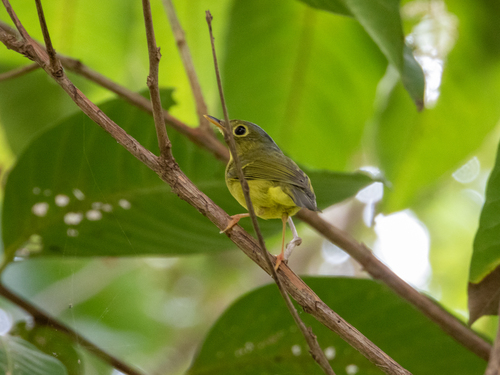 Alström's Warbler
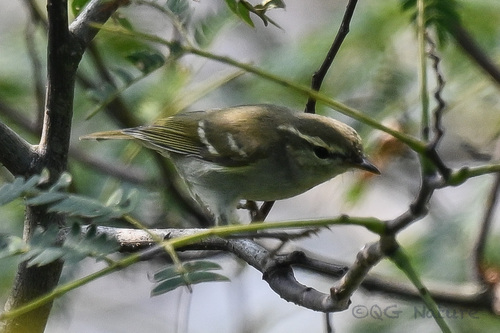 Two-barred Warbler
In breve
Il segno di campo più affidabile tra Alström's Warbler e Two-barred Warbler è la presenza o assenza di barre alari: Two-barred Warbler mostra due evidenti barre alari chiare sulle copritrici in tutte le età, mentre Alström's Warbler ne è privo e ha invece un'ala più semplice. Alström's ha anche un becco più grande, una coda più corta e un bordo bianco più distintivo sulle penne della coda esterna, che può essere visto in volo o quando la coda è aperta. Entrambe le specie possono apparire simili nella forma e nelle dimensioni complessive, ma prestare attenzione al motivo delle ali e alla struttura della coda è fondamentale, specialmente negli uccelli non in riproduzione o immaturi. È possibile una sovrapposizione degli habitat durante la migrazione, quindi i segni visivi di campo sono cruciali.
Consigli di identificazione
- Le barre alari sono il separatore più affidabile: Two-barred Warbler mostra sempre due barre alari chiare sulle copritrici, visibili in tutte le età e stagioni. Alström's Warbler non mostra mai queste; le sue ali sono semplici.
- Controlla le penne della coda esterna: Alström's ha un bordo bianco più distintivo sulle penne della coda esterna, specialmente visibile quando l'uccello apre la coda o in volo. Two-barred manca di questa caratteristica.
- Struttura del becco e della coda: Alström's Warbler ha un becco più grande e pesante e una coda più corta rispetto a Two-barred. Questo è sottile ma può aiutare quando gli uccelli sono affiancati o in buone visuali.
- Anello oculare: Alström's mostra un anello oculare giallo distintivo, a volte diffuso sopra l'occhio, che non è una caratteristica di Two-barred.
- Colorazione della corona e del dorso: Alström's ha una corona grigio-nera con strisce nere e un mix di verde attorno agli occhi, mentre Two-barred è generalmente più semplice sopra, tranne per le barre alari.
- Parte inferiore: Alström's ha una parte inferiore giallo-verde vibrante; le parti inferiori di Two-barred non sono descritte come distintive nelle note, quindi questo è un segno secondario.
- Uccelli giovanili e di primo inverno: Il motivo delle barre alari è presente in Two-barred anche negli uccelli giovani, rendendo questo segno affidabile per immaturi e adulti.
- In pericolo vs. in volo: Le barre alari su Two-barred sono visibili sia quando è posato che in volo; i bordi bianchi della coda di Alström's possono essere più facili da vedere in volo o quando la coda è aperta.
- Habitat e distribuzione: Se visto nel sud della Cina al di fuori della stagione di riproduzione, entrambe le specie sono possibili; non fare affidamento solo sulla posizione per l'identificazione.
- La dimensione non è un forte separatore: Entrambi sono simili in lunghezza e struttura complessive; qualsiasi differenza è sottile e facilmente trascurabile sul campo.
- Confusione stagionale: Entrambe le specie mutano prima della migrazione autunnale, ma questo non influisce sulla presenza delle barre alari in Two-barred. Alström's rimane con ali semplici tutto l'anno.
- Differenze sessuali: La femmina di Alström's è leggermente più piccola del maschio, ma questo non è un segno di campo affidabile.
- Altre specie simili: Alström's può essere confuso con altri warbler Phylloscopus (Martens's, Gray-crowned, White-speckled, Bianchi's), ma tra queste due, la differenza delle barre alari è decisiva.
- Quando hai dubbi: Se vedi due barre alari chiare, è Two-barred. Se l'ala è semplice e vedi un forte bordo bianco della coda, considera Alström's.
- Trappole: Luce scarsa o piumaggio usurato possono offuscare segni sottili, ma la presenza o assenza di barre alari è robusta anche in condizioni meno che ideali.
Taglia
Alström's Warbler è lungo 11–12 cm, con le femmine leggermente più piccole dei maschi. Non ci sono misurazioni dirette per Two-barred Warbler nelle note fornite, ma entrambi sono warbler Phylloscopus tipici e simili in dimensioni complessive. Qualsiasi differenza di dimensione sul campo è sottile e non è un separatore affidabile.
Piumaggio
La differenza di piumaggio più diagnostica è il motivo delle ali: Two-barred Warbler (di tutte le età e stagioni) mostra due barre alari chiare formate dalle punte delle copritrici mediane e maggiori, che sono evidenti sia negli uccelli posati che in volo. Alström's Warbler manca di queste barre alari, presentando un'ala molto più semplice. Invece, Alström's ha una corona grigio-nera con strisce nere, una parte inferiore giallo-verde e un anello oculare giallo distintivo (a volte diffuso sopra l'occhio). Le penne della coda esterna di Alström's hanno un bordo bianco più distintivo, specialmente visibile in volo o quando la coda è aperta, che non è una caratteristica di Two-barred. Entrambe le specie subiscono la muta prima della migrazione autunnale, ma questo non altera il motivo delle barre alari in Two-barred. Gli uccelli giovanili e di primo inverno di Two-barred mostrano ancora le barre alari, rendendo questo segno affidabile per tutte le età.
Comportamento
Non sono descritte differenze comportamentali distintive nelle note. Entrambe le specie sono warbler Phylloscopus attivi tipici, che si nutrono nel fogliame e spesso sbattono le ali e le code.
Habitat
Alström's Warbler nidifica solo in Cina e sverna nel sud-est asiatico (Thailandia, Laos, Cambogia, Vietnam), preferendo le foreste temperate. Two-barred Warbler nidifica più a nord in Mongolia settentrionale, Manciuria e Siberia meridionale. Entrambi sono migratori e possono sovrapporsi nel sud della Cina durante la migrazione, ma Alström's è più meridionale in inverno. L'habitat da solo non è diagnostico dove le loro aree di distribuzione si sovrappongono.
Alström's Warbler · Two-barred Warbler · I miei uccelli difficili