

albert's lyrebird vs superb lyrebird
Menura alberti versus Menura novaehollandiae
Jogue um quiz com albert's lyrebird e superb lyrebird
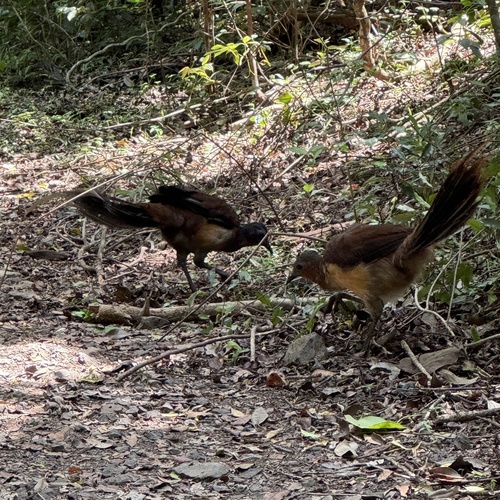 albert's lyrebird
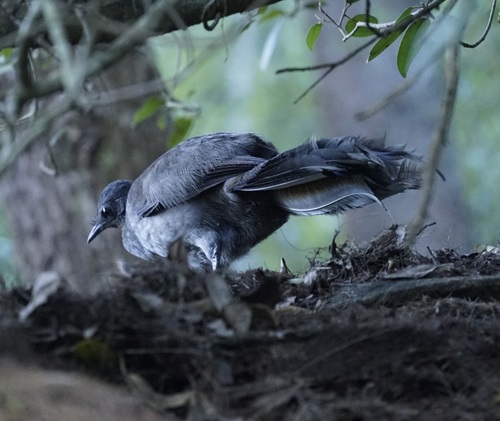 superb lyrebird
Em resumo
A marca de campo mais confiável para separar albert's lyrebird do superb lyrebird é a cauda: o macho adulto do superb lyrebird tem uma cauda muito mais elaborada, em forma de lira, com penas externas longas e largas e numerosos filamentos prateados, enquanto o albert's lyrebird não possui a forma completa de lira e tem uma cauda mais simples e menos ornamentada. Os juvenis de ambas as espécies não possuem caudas ornamentais, mas os juvenis do albert's lyrebird apresentam tons ruivos mais ricos na garganta e na testa, e suas penas da cauda são mais estreitas e pontudas. Ambas as espécies são grandes, aves terrestres das florestas do sudeste australiano, mas o albert's lyrebird é muito mais raro e restrito a uma pequena área próxima à fronteira NSW/Queensland. O superb lyrebird é maior em geral, com uma cauda mais brilhante e exibições de cortejo mais extensas.
Dicas de identificação
- Forma da cauda em machos adultos: A melhor marca de campo. Os machos do superb lyrebird têm uma cauda grande, em forma de lira, com penas externas longas e largas (lyrates) e numerosos filamentos prateados, exibidos em display. Os machos do albert's lyrebird têm uma cauda mais simples, menos em forma de lira, com filamentos mais curtos e penas externas menos dramáticas. Esta marca é diagnóstica nas exibições da temporada de reprodução.
- Cauda em fêmeas adultas: Ambas têm caudas mais simples, mas a cauda da fêmea do albert's lyrebird é mais pontuda e pendente quando fechada, com plumas medianas longas, estreitas e afiladas, e penas marrons largas e arredondadas. As fêmeas do superb lyrebird têm lyrates mais curtas e não possuem filamentos, mas a cauda é menos pontuda e menos pendente.
- Penas da cauda juvenil: O juvenil do albert's lyrebird tem penas da cauda distintamente mais estreitas, mais afiladas e pontudas (exceto o par central) em comparação com os juvenis do superb lyrebird, cujas caudas são mais largas e simples. Isso é melhor visto de perto.
- Cor da cabeça e garganta juvenil: Os juvenis do albert's lyrebird apresentam tons ruivos mais ricos e uniformes no queixo, garganta e pescoço, e um brilho vermelho-ruivo mais brilhante na testa e coroa. Os juvenis do superb lyrebird não possuem esses tons ruivos.
- Cor geral da plumagem: O albert's lyrebird é marrom-castanho com uma cauda inferior ruiva, rabo e garganta, e um anel ocular azul-acinzentado. O superb lyrebird é marrom-escuro na parte superior, com partes inferiores cinza-claras e penas de voo tingidas de vermelho. Sua cauda é mais brilhante em geral.
- Tamanho e volume: O superb lyrebird é geralmente maior e mais robusto, especialmente na cauda, mas isso é sutil e se sobrepõe. Use apenas como uma marca de apoio.
- Exibição de cortejo: Se você ver um macho realizando uma exibição elaborada de abertura de cauda, dançando em um monte com uma enorme cauda em forma de lira, é um superb lyrebird. As exibições do albert's lyrebird são menos dramáticas.
- Habitat e distribuição: O albert's lyrebird é restrito a uma pequena área de floresta tropical subtropical próxima à fronteira NSW/Queensland, geralmente acima de 300 m. O superb lyrebird é amplamente distribuído nas florestas do sudeste australiano. A localização é frequentemente decisiva.
- Comportamento: Ambos são tímidos e terrestres, mas os machos do superb lyrebird são mais propensos a serem vistos em montes de exibição em clareiras de florestas abertas.
- Vocalizações: Ambos imitam, mas a canção do superb lyrebird é mais alta, mais variada e frequentemente sincronizada com a exibição. Se você ouvir uma mistura complexa de imitações e ver uma ave em exibição, é provável que seja um superb lyrebird.
- Íris e anel ocular: O albert's lyrebird tem um amplo anel azul-acinzentado ao redor de uma íris escura; isso é sutil, mas pode ajudar de perto.
- Voo: Ambos são voadores fracos, usando as asas para equilíbrio ou pequenos deslizamentos. Não há separação forte na aparência de voo.
- Dimorfismo sexual: Ambas as espécies mostram dimorfismo sexual na estrutura da cauda, mas é muito mais pronunciado no superb lyrebird.
- Estação: Caudas ornamentais são mais desenvolvidas e exibidas na temporada de reprodução (inverno para o superb lyrebird). Fora da temporada de reprodução, as caudas podem ser menos óbvias, tornando a identificação mais difícil—confie mais na estrutura e na distribuição.
- Armadilhas: Juvenis e fêmeas de ambas as espécies podem ser confusos, especialmente se a cauda não estiver visível. Nesses casos, use a localização, tons sutis de plumagem e a forma/textura da cauda, se vista.
Tamanho
O superb lyrebird é o maior dos dois: os machos podem atingir até 1 metro (39 pol) de comprimento, com fêmeas em torno de 86 cm (34 pol), e a massa típica dos adultos perto de 980 g. Os machos do albert's lyrebird atingem cerca de 90 cm (35 pol), fêmeas cerca de 75 cm (30 pol), e pesam cerca de 930 g. A diferença é sutil no campo, mas o superb lyrebird é geralmente mais robusto, especialmente na cauda. Ambos são do tamanho de faisões, mas a cauda do macho superb lyrebird contribui para a impressão de tamanho.
Plumagem
-
Juvenis: Ambas as espécies não possuem penas de cauda ornamentais quando jovens, mas os juvenis do albert's lyrebird têm tons ruivos mais ricos e uniformes no queixo, garganta e pescoço, um brilho vermelho-ruivo mais brilhante na testa e coroa, e partes superiores mais pálidas. Suas penas da cauda (exceto o par central) são distintamente mais estreitas, mais afiladas e pontudas em comparação com os juvenis do superb lyrebird, que têm penas da cauda mais largas e simples e não possuem os tons ruivos.
-
Machos adultos: Os machos do superb lyrebird têm uma cauda espetacular com penas externas longas e largas em forma de S ('lyrates'), doze filamentos prateados e duas penas medianas prateadas. A cauda é exibida em display e é muito mais ornamentada do que a do albert's. Os machos do albert's lyrebird têm uma cauda mais simples: um par central de plumas longas e semelhantes a fitas, seis pares de penas filamentares (menos luxuosas e mais curtas do que as do superb) e um par de penas externas largas e membranosas, mas o efeito geral é menos em forma de lira e menos chamativo.
-
Fêmeas adultas: As fêmeas de ambas as espécies têm caudas mais curtas e simples, mas a do albert's lyrebird é mais pontuda e pendente quando fechada, com plumas medianas longas, estreitas e afiladas, e penas marrons largas com pontas arredondadas, sem filamentos. As fêmeas do superb lyrebird têm lyrates mais curtas e penas largas e simples em vez de filamentos.
-
Cor geral: O albert's lyrebird é marrom-castanho com uma cauda inferior ruiva, rabo e garganta, e um anel ocular azul-acinzentado. O superb lyrebird é principalmente marrom-escuro na parte superior, com partes inferiores cinza-claras e penas de voo tingidas de vermelho; sua cauda é mais brilhante do que a do albert's.
Comportamento
Ambas as espécies são terrestres e tímidas, mas o superb lyrebird é especialmente conhecido por exibições de cortejo elaboradas: os machos constroem e defendem montes de exibição, abrem e vibram suas caudas ornamentadas, e realizam danças complexas sincronizadas com o canto. Os machos do albert's lyrebird também se exibem, mas sua cauda é menos espetacular e suas exibições são menos elaboradas. Os machos do superb lyrebird são poligâmicos, com territórios sobrepondo várias fêmeas. Ambas as espécies são voadoras fracas, usando as asas principalmente para equilíbrio ou deslizes curtos.
Habitat
O albert's lyrebird é altamente restrito a florestas tropicais subtropicais em uma pequena área na fronteira do sudeste de Queensland e nordeste de New South Wales, geralmente em elevações mais altas (acima de 300 m). Sua distribuição é fragmentada e as populações são pequenas. O superb lyrebird é mais amplamente distribuído no sudeste da Austrália, habitando uma variedade de florestas, especialmente áreas mais úmidas com densa vegetação rasteira e folhas profundas. Se você estiver fora da pequena área de distribuição do albert's lyrebird, você quase certamente está vendo um superb lyrebird.
Voz
Ambas as espécies são renomadas imitadoras, mas o superb lyrebird é especialmente famoso por sua canção complexa, alta e variada, incorporando imitações de muitas outras aves e sons ambientais. As exibições de cortejo do superb lyrebird são acompanhadas por canto e dança coordenados. O albert's lyrebird também é uma forte imitadora, mas é menos estudada nesse aspecto. No campo, as diferenças vocais são sutis e não são a separação mais confiável, a menos que a exibição completa seja observada.