

Motmot

アルバートコトドリ 対 コトドリ

Menura alberti 対 Menura novaehollandiae

アルバートコトドリとコトドリのクイズ
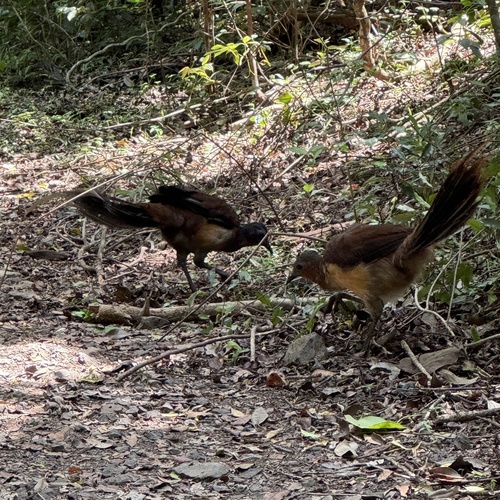
アルバートコトドリ (Menura alberti) アルバートコトドリ
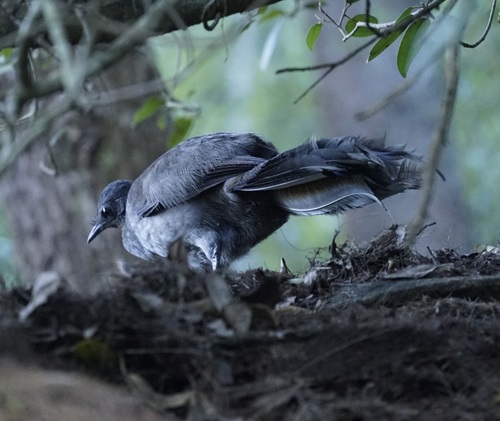
コトドリ (Menura novaehollandiae) コトドリ

メディア

読み込み中…

要点

アルバートコトドリとコトドリを区別する最も信頼できるフィールドマークは尾です:成鳥のオスのコトドリは、長くて幅広い外羽と多数の銀色のフィラメンタリーを持つ、はるかに elaborate なリラ型の尾を持っていますが、アルバートコトドリは完全なリラの形を欠き、よりシンプルで装飾の少ない尾を持っています。両種の幼鳥は装飾的な尾を欠いていますが、アルバートコトドリの幼鳥は喉と額により豊かな赤褐色のトーンを示し、尾羽はより狭く、尖っています。両種はオーストラリア南東部の森林に生息する大型の地上性の鳥ですが、アルバートコトドリははるかに稀で、NSW/クイーンズランド州の境界近くの小さな地域に制限されています。コトドリは全体的に大きく、尾は明るく、求愛行動もより広範です。

識別のコツ

  1. 尾の形(成鳥のオス): 最も良いフィールドマーク。コトドリのオスは、長くて幅広い外羽(リラ型)と多数の銀色のフィラメンタリーを持つ大きなリラ型の尾を持ち、ディスプレイで扇状に広がります。アルバートコトドリのオスは、よりシンプルでリラ型ではない尾を持ち、フィラメンタリーは短く、外羽もあまりドラマチックではありません。このマークは繁殖シーズンのディスプレイで診断的です。
  2. 尾(成鳥のメス): 両者ともにシンプルな尾を持っていますが、アルバートコトドリのメスの尾はより尖っていて、閉じたときに垂れ下がっています。長くて狭いテーパー状の中央の羽と、広くて丸い茶色の羽を持ち、フィラメンタリーはありません。コトドリのメスは短いリラ型を持ち、フィラメンタリーはありませんが、尾はあまり尖っておらず、垂れ下がっていません。
  3. 幼鳥の尾羽: 幼鳥のアルバートコトドリは、コトドリの幼鳥と比較して、明らかに狭く、テーパー状で尖った尾羽(中央のペアを除く)を持っています。コトドリの幼鳥の尾はより広く、シンプルです。これは近距離で最もよく見られます。
  4. 幼鳥の頭と喉の色: アルバートコトドリの幼鳥は、顎、喉、前首により豊かで均一な赤褐色を示し、額と前冠には明るい赤褐色の洗いが見られます。コトドリの幼鳥はこれらの赤褐色のトーンを欠いています。
  5. 一般的な羽色: アルバートコトドリは栗色で、赤褐色の尾、腰、喉を持ち、青灰色のアイリングがあります。コトドリは上面がより暗い茶色で、下部は灰色がかった茶色、赤みがかった飛行羽を持っています。尾は全体的に明るいです。
  6. サイズと体格: コトドリは一般的に大きく、体格が良いですが、これは微妙で重なり合います。サポートマークとしてのみ使用してください。
  7. 求愛行動: 大きなリラ型の尾を持つオスが elaborate な尾を扇ぐ、マウンドダンスのディスプレイを行っているのを見たら、それはコトドリです。アルバートコトドリのディスプレイはあまりドラマチックではありません。
  8. 生息地と範囲: アルバートコトドリは、通常300 m以上のNSW/クイーンズランド州の境界近くの亜熱帯雨林の小さな地域に制限されています。コトドリはオーストラリア南東部の森林に広く分布しています。場所はしばしば決定的です。
  9. 行動: 両者ともに内気で地上性ですが、コトドリのオスは開けた森林のクリアリングでディスプレイマウンドにいるのがより一般的です。
  10. 鳴き声: 両者ともに模倣しますが、コトドリの歌はより大きく、より多様で、しばしばディスプレイと同期しています。複雑な模倣のメドレーを聞き、ディスプレイしている鳥を見たら、それはおそらくコトドリです。
  11. 虹彩とアイリング: アルバートコトドリは暗い虹彩の周りに広い青灰色のリングを持っています。これは微妙ですが、近距離で役立つことがあります。
  12. 飛行: 両者ともに飛行が苦手で、バランスを取るためや短い滑空に翼を使用します。飛行の印象において強い区別はありません。
  13. 性差二形性: 両種は尾の構造に性差二形性を示しますが、コトドリの方がはるかに顕著です。
  14. 季節: 装飾的な尾は繁殖シーズン(コトドリの場合は冬)に最も発達し、ディスプレイされます。繁殖シーズン外では、尾があまり目立たないことがあり、識別が難しくなります—構造と範囲により依存してください。
  15. 落とし穴: 両種の幼鳥とメスは混乱を招くことがあります、特に尾が見えない場合は。そういった場合には、場所、微妙な羽色、尾の形/質感を使用してください。

大きさ

コトドリは二種の中で大きい方です:オスは最大1メートル(39インチ)の長さに達し、メスは約86 cm(34インチ)、典型的な成鳥の体重は約980 gです。アルバートコトドリのオスは約90 cm(35インチ)、メスは約75 cm(30インチ)、体重は約930 gです。フィールドでの違いは微妙ですが、コトドリは一般的に体格が良く、特に尾において顕著です。両者はキジのサイズですが、オスのコトドリの尾はサイズの印象を増します。

羽色

行動

両種は地上性で内気ですが、コトドリは特に elaborate な求愛行動で知られています:オスはディスプレイマウンドを作り、防御し、装飾的な尾を扇ぎ、歌に合わせた複雑なダンスを行います。アルバートコトドリのオスもディスプレイを行いますが、尾はそれほど壮観ではなく、ディスプレイもそれほど elaborate ではありません。コトドリのオスは多妻制で、テリトリーは複数のメスと重なります。両種は飛行が苦手で、主にバランスを取るためや短距離を滑空するために翼を使用します。

生息環境

アルバートコトドリは、通常300 m以上のオーストラリア南東部のクイーンズランド州とニュージーランド州の境界近くの亜熱帯雨林の小さな地域に強く制限されています。その範囲は断片化されており、個体数は少ないです。コトドリはオーストラリア南東部でより広く分布し、さまざまな森林に生息し、特に密な下層植生と深い落ち葉のある湿った地域に生息しています。もしあなたがアルバートコトドリの小さな範囲の外にいるなら、ほぼ確実にコトドリを見ていることになります。

声

両種は模倣の名手ですが、コトドリは特に複雑で大きく多様な歌で有名で、他の多くの鳥や環境音の模倣を取り入れています。コトドリの求愛行動は、調和の取れた歌とダンスを伴います。アルバートコトドリも強力な模倣者ですが、この点ではあまり研究されていません。フィールドでは、鳴き声の違いは微妙で、完全なディスプレイが観察されない限り、最も信頼できる区別ではありません。

より良い説明を送る

比較と同じ項目を使ってください。文章はすぐに公開されます。

The most reliable field mark to separate Albert's Lyrebird from Superb Lyrebird is the tail: adult male Superb Lyrebird has a much more elaborate, lyre-shaped tail with long, broad outer feathers and numerous silvery filamentaries, while Albert's Lyrebird lacks the full lyre shape and has a simpler, less ornate tail. Juveniles of both species lack ornamental tails, but Albert's Lyrebird juveniles show richer rufous tones on the throat and forehead, and their tail feathers are narrower and more pointed. Both species are large, ground-dwelling birds of southeast Australian forests, but Albert's Lyrebird is much rarer and restricted to a small area near the NSW/Queensland border. Superb Lyrebird is larger overall, with a brighter tail and more extensive courtship displays.

  1. Tail shape in adult males: The single best field mark. Superb Lyrebird males have a large, lyre-shaped tail with long, broad outer feathers (lyrates) and numerous silvery filamentaries, fanned in display. Albert's Lyrebird males have a simpler, less lyre-shaped tail, with shorter filamentaries and less dramatic outer feathers. This mark is diagnostic in breeding season displays.
  2. Tail in adult females: Both have simpler tails, but Albert's Lyrebird female's tail is more pointed and drooping when closed, with long, narrow, tapered median plumes and broad, rounded brown feathers. Superb Lyrebird females have shorter lyrates and lack filamentaries, but the tail is less pointed and less drooping.
  3. Juvenile tail feathers: Juvenile Albert's Lyrebird has distinctly narrower, more tapered, and pointed tail feathers (except the central pair) compared to Superb Lyrebird juveniles, whose tails are broader and plainer. This is best seen at close range.
  4. Juvenile head and throat color: Albert's Lyrebird juveniles show richer, more uniform rufous-brown on the chin, throat, and foreneck, and a brighter red-brown wash on the forehead and forecrown. Superb Lyrebird juveniles lack these rufous tones.
  5. General plumage color: Albert's Lyrebird is chestnut-brown with a rufous undertail, rump, and throat, and a blue-grey eye ring. Superb Lyrebird is darker brown above, with greyish-brown underparts and red-tinged flight feathers. Its tail is brighter overall.
  6. Size and bulk: Superb Lyrebird is generally larger and bulkier, especially in the tail, but this is subtle and overlaps. Use only as a supporting mark.
  7. Courtship display: If you see a male performing an elaborate tail-fanning, mound-dancing display with a huge lyre-shaped tail, it is Superb Lyrebird. Albert's Lyrebird displays are less dramatic.
  8. Habitat and range: Albert's Lyrebird is restricted to a small area of subtropical rainforest near the NSW/Queensland border, usually above 300 m. Superb Lyrebird is widespread in southeast Australian forests. Location is often decisive.
  9. Behavior: Both are shy and ground-dwelling, but Superb Lyrebird males are more likely to be seen on display mounds in open forest clearings.
  10. Vocalizations: Both mimic, but Superb Lyrebird's song is louder, more varied, and often synchronized with display. If you hear a complex medley of mimicry and see a displaying bird, it is likely Superb Lyrebird.
  11. Iris and eye ring: Albert's Lyrebird has a broad blue-grey ring around a dark iris; this is subtle but can help at close range.
  12. Flight: Both are weak fliers, using wings for balance or short glides. No strong separation in flight jizz.
  13. Sexual dimorphism: Both species show sexual dimorphism in tail structure, but it is much more pronounced in Superb Lyrebird.
  14. Season: Ornamental tails are most developed and displayed in breeding season (winter for Superb Lyrebird). Outside breeding season, tails may be less obvious, making identification harder—rely more on structure and range.
  15. Pitfalls: Juveniles and females of both species can be confusing, especially if the tail is not visible. In such cases, use location, subtle plumage tones, and tail shape/texture if seen.

Superb Lyrebird is the larger of the two: males can reach up to 1 meter (39 in) in length, with females around 86 cm (34 in), and typical adult mass near 980 g. Albert's Lyrebird males reach about 90 cm (35 in), females about 75 cm (30 in), and weigh around 930 g. The difference is subtle in the field, but Superb Lyrebird is generally bulkier, especially in the tail. Both are pheasant-sized, but the tail of the male Superb Lyrebird adds to the impression of size.

  • Juveniles: Both species lack ornamental tail feathers when young, but Albert's Lyrebird juveniles have richer, more uniform rufous-brown on the chin, throat, and foreneck, a brighter red-brown wash on the forehead and forecrown, and paler upperparts. Their tail feathers (except the central pair) are distinctly narrower, more tapered, and pointed compared to Superb Lyrebird juveniles, which have plainer, broader tail feathers and lack the rufous tones.

  • Adult males: Superb Lyrebird males have a spectacular tail with long, broad, S-shaped outer feathers ('lyrates'), twelve silvery filamentaries, and two silvery median feathers. The tail is fanned in display and is much more ornate than Albert's. Albert's Lyrebird males have a simpler tail: a central pair of long, ribbon-like plumes, six pairs of filamentary feathers (less luxuriant and shorter than Superb), and a pair of broad, webbed outer feathers, but the overall effect is less lyre-shaped and less showy.

  • Adult females: Both species' females have shorter, simpler tails, but Albert's Lyrebird's is more pointed and drooping when closed, with long, narrow, tapered median plumes and broad brown feathers with rounded tips, lacking filamentaries. Superb Lyrebird females have shorter lyrates and plain, broad feathers instead of filamentaries.

  • General color: Albert's Lyrebird is chestnut-brown with rufous undertail, rump, and throat, and a blue-grey eye ring. Superb Lyrebird is mainly dark brown above, with greyish-brown underparts and red-tinged flight feathers; its tail is brighter than Albert's.

Both species are ground-dwelling and shy, but Superb Lyrebird is especially known for elaborate courtship displays: males build and defend display mounds, fan and vibrate their ornate tails, and perform complex dances synchronized with song. Albert's Lyrebird males also display, but their tail is less spectacular and their displays are less elaborate. Superb Lyrebird males are polygynous, with territories overlapping several females. Both species are weak fliers, using wings mainly for balance or gliding short distances.

Albert's Lyrebird is highly restricted to subtropical rainforests in a small area on the border of southeast Queensland and northeast New South Wales, usually at higher elevations (above 300 m). Its range is fragmented and populations are small. Superb Lyrebird is more widespread in southeast Australia, inhabiting a variety of forests, especially wetter areas with dense understory and deep leaf litter. If you are outside the small Albert's Lyrebird range, you are almost certainly seeing Superb Lyrebird.

Both species are renowned mimics, but Superb Lyrebird is especially famous for its complex, loud, and varied song, incorporating mimicry of many other birds and environmental sounds. Courtship displays of Superb Lyrebird are accompanied by coordinated song and dance. Albert's Lyrebird is also a strong mimic but is less well-studied in this regard. In the field, vocal differences are subtle and not the most reliable separation unless the full display is observed.

変更を破棄しますか?

保存していない編集があります。今離れると失われます。

アルバートコトドリ · コトドリ · 苦手な鳥