

Albert's Lyrebird vs Superb Lyrebird
Menura alberti contro Menura novaehollandiae
Fai un quiz con Albert's Lyrebird e Superb Lyrebird
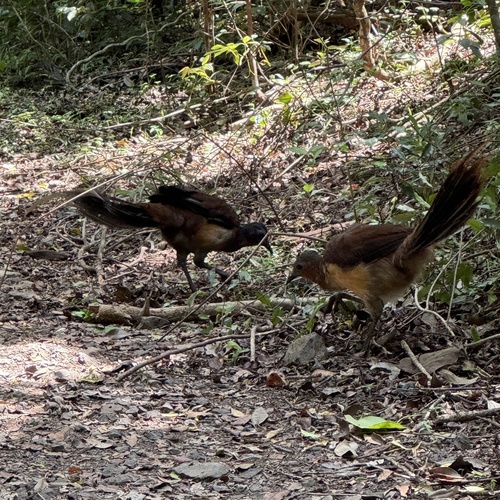 Albert's Lyrebird
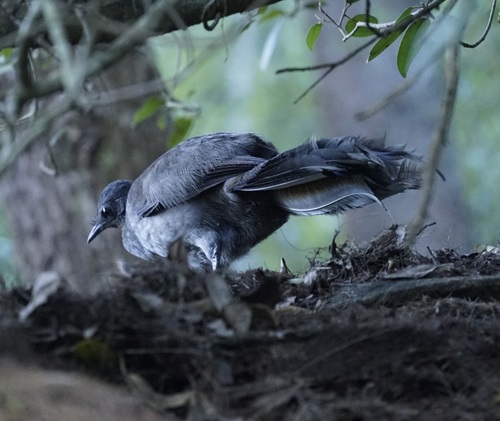 Superb Lyrebird
In breve
Il segno di campo più affidabile per separare l'Albert's Lyrebird dal Superb Lyrebird è la coda: il maschio adulto del Superb Lyrebird ha una coda molto più elaborata, a forma di lira, con lunghe e larghe piume esterne e numerosi filamenti argentati, mentre l'Albert's Lyrebird manca della forma completa a lira e ha una coda più semplice e meno ornata. I giovani di entrambe le specie mancano di code ornamentali, ma i giovani dell'Albert's Lyrebird mostrano toni rugginosi più ricchi sulla gola e sulla fronte, e le loro piume della coda sono più strette e appuntite. Entrambe le specie sono grandi uccelli terricoli delle foreste del sud-est australiano, ma l'Albert's Lyrebird è molto più raro e limitato a una piccola area vicino al confine tra NSW e Queensland. Il Superb Lyrebird è complessivamente più grande, con una coda più luminosa e display di corteggiamento più estesi.
Consigli di identificazione
- Forma della coda nei maschi adulti: Il segno di campo migliore. I maschi del Superb Lyrebird hanno una grande coda a forma di lira con lunghe e larghe piume esterne (lyrates) e numerosi filamenti argentati, aperti in mostra. I maschi dell'Albert's Lyrebird hanno una coda più semplice e meno a forma di lira, con filamenti più corti e piume esterne meno drammatiche. Questo segno è diagnostico nei display della stagione di riproduzione.
- Coda nelle femmine adulte: Entrambe hanno code più semplici, ma la coda della femmina dell'Albert's Lyrebird è più appuntita e pendente quando è chiusa, con lunghe piume mediane strette e affusolate e piume marroni larghe e arrotondate. Le femmine del Superb Lyrebird hanno lyrates più corte e mancano di filamenti, ma la coda è meno appuntita e meno pendente.
- Piume della coda nei giovani: Il giovane Albert's Lyrebird ha piume della coda distintamente più strette, più affusolate e appuntite (eccetto la coppia centrale) rispetto ai giovani del Superb Lyrebird, le cui code sono più larghe e più semplici. Questo è meglio visibile da vicino.
- Colore della testa e della gola nei giovani: I giovani dell'Albert's Lyrebird mostrano toni rugginosi-brown più ricchi e più uniformi sul mento, sulla gola e sul collo, e un lavaggio rosso-bruno più luminoso sulla fronte e sulla corona anteriore. I giovani del Superb Lyrebird mancano di questi toni rugginosi.
- Colore generale del piumaggio: L'Albert's Lyrebird è marrone castagna con una coda rugginosa, un sopracciglio e una gola, e un anello oculare blu-grigio. Il Superb Lyrebird è di un marrone più scuro sopra, con parti inferiori marrone-grigiastro e piume da volo con sfumature rosse. La sua coda è più luminosa nel complesso.
- Dimensioni e massa: Il Superb Lyrebird è generalmente più grande e più robusto, specialmente nella coda, ma questo è sottile e si sovrappone. Usare solo come segno di supporto.
- Display di corteggiamento: Se vedi un maschio eseguire un elaborato display di apertura della coda, ballando su un tumulo con una enorme coda a forma di lira, è il Superb Lyrebird. I display dell'Albert's Lyrebird sono meno drammatici.
- Habitat e distribuzione: L'Albert's Lyrebird è limitato a una piccola area di foresta pluviale subtropicale vicino al confine tra NSW e Queensland, solitamente sopra i 300 m. Il Superb Lyrebird è diffuso nelle foreste australiane del sud-est. La posizione è spesso decisiva.
- Comportamento: Entrambi sono timidi e terricoli, ma i maschi del Superb Lyrebird sono più propensi a essere visti su tumuli di display in radure di foresta aperta.
- Vocalizzazioni: Entrambi imitano, ma il canto del Superb Lyrebird è più forte, più vario e spesso sincronizzato con il display. Se senti un complesso medley di imitazione e vedi un uccello in mostra, è probabile che sia il Superb Lyrebird.
- Iride e anello oculare: L'Albert's Lyrebird ha un ampio anello blu-grigio attorno a un'iride scura; questo è sottile ma può aiutare da vicino.
- Volo: Entrambi sono deboli volatori, usando le ali per l'equilibrio o brevi planate. Nessuna forte separazione nel volo.
- Dimorfismo sessuale: Entrambe le specie mostrano dimorfismo sessuale nella struttura della coda, ma è molto più pronunciato nel Superb Lyrebird.
- Stagione: Le code ornamentali sono più sviluppate e mostrate nella stagione di riproduzione (inverno per il Superb Lyrebird). Fuori dalla stagione di riproduzione, le code possono essere meno ovvie, rendendo più difficile l'identificazione: fare affidamento maggiormente sulla struttura e sulla distribuzione.
- Insidie: I giovani e le femmine di entrambe le specie possono essere confusi, specialmente se la coda non è visibile. In tali casi, utilizzare la posizione, toni di piumaggio sottili e forma/tessitura della coda se visibile.
Taglia
Il Superb Lyrebird è il più grande dei due: i maschi possono raggiungere fino a 1 metro (39 in) di lunghezza, con le femmine intorno agli 86 cm (34 in), e una massa tipica da adulto vicino ai 980 g. I maschi dell'Albert's Lyrebird raggiungono circa 90 cm (35 in), le femmine circa 75 cm (30 in), e pesano circa 930 g. La differenza è sottile sul campo, ma il Superb Lyrebird è generalmente più robusto, specialmente nella coda. Entrambi sono delle dimensioni di un fagiano, ma la coda del maschio del Superb Lyrebird contribuisce all'impressione di grandezza.
Piumaggio
-
Giovani: Entrambe le specie mancano di piume ornamentali della coda quando sono giovani, ma i giovani dell'Albert's Lyrebird hanno un marrone rugginoso più ricco e più uniforme sul mento, sulla gola e sul collo, un lavaggio rosso-bruno più luminoso sulla fronte e sulla corona anteriore, e parti superiori più chiare. Le loro piume della coda (eccetto la coppia centrale) sono distintamente più strette, più affusolate e appuntite rispetto ai giovani del Superb Lyrebird, che hanno piume della coda più semplici e più larghe e mancano dei toni rugginosi.
-
Maschi adulti: I maschi del Superb Lyrebird hanno una coda spettacolare con lunghe, larghe piume esterne a forma di S ('lyrates'), dodici filamenti argentati e due piume mediane argentate. La coda è aperta in mostra ed è molto più ornata rispetto a quella dell'Albert's. I maschi dell'Albert's Lyrebird hanno una coda più semplice: una coppia centrale di lunghe piume a nastro, sei coppie di piume filamentose (meno lussuose e più corte rispetto al Superb), e una coppia di piume esterne larghe e palmate, ma l'effetto complessivo è meno a forma di lira e meno appariscente.
-
Femmine adulte: Le femmine di entrambe le specie hanno code più corte e più semplici, ma quella dell'Albert's Lyrebird è più appuntita e pendente quando è chiusa, con lunghe piume mediane strette e affusolate e piume marroni larghe con punte arrotondate, mancando di filamenti. Le femmine del Superb Lyrebird hanno lyrates più corte e piume larghe e semplici invece di filamenti.
-
Colore generale: L'Albert's Lyrebird è marrone castagna con una coda rugginosa, un sopracciglio e una gola, e un anello oculare blu-grigio. Il Superb Lyrebird è principalmente di un marrone scuro sopra, con parti inferiori marrone-grigiastro e piume da volo con sfumature rosse; la sua coda è più luminosa rispetto a quella dell'Albert's.
Comportamento
Entrambe le specie sono terricole e timide, ma il Superb Lyrebird è particolarmente noto per i suoi elaborati display di corteggiamento: i maschi costruiscono e difendono tumuli di display, aprono e vibrano le loro code ornate e eseguono danze complesse sincronizzate con il canto. Anche i maschi dell'Albert's Lyrebird si esibiscono, ma la loro coda è meno spettacolare e i loro display sono meno elaborati. I maschi del Superb Lyrebird sono poligini, con territori che si sovrappongono a diverse femmine. Entrambe le specie sono deboli volatori, usando le ali principalmente per l'equilibrio o per planate brevi.
Habitat
L'Albert's Lyrebird è altamente limitato a foreste pluviali subtropicali in una piccola area al confine tra il sud-est del Queensland e il nord-est del New South Wales, solitamente a elevazioni più elevate (sopra i 300 m). La sua distribuzione è frammentata e le popolazioni sono piccole. Il Superb Lyrebird è più diffuso nel sud-est dell'Australia, abitante una varietà di foreste, specialmente aree più umide con un denso sottobosco e una profonda lettiera di foglie. Se ti trovi al di fuori della piccola area di distribuzione dell'Albert's Lyrebird, stai quasi certamente vedendo il Superb Lyrebird.
Voce
Entrambe le specie sono rinomate per la loro capacità di imitare, ma il Superb Lyrebird è particolarmente famoso per il suo canto complesso, forte e vario, che incorpora l'imitazione di molti altri uccelli e suoni ambientali. I display di corteggiamento del Superb Lyrebird sono accompagnati da canto e danza coordinati. Anche l'Albert's Lyrebird è un forte imitatore ma è meno studiato in questo senso. Sul campo, le differenze vocali sono sottili e non sono la separazione più affidabile a meno che non venga osservato il display completo.
Albert's Lyrebird · Superb Lyrebird · I miei uccelli difficili