

african openbill vs african woolly-necked stork
Anastomus lamelligerus versus Ciconia microscelis
Jogue um quiz com african openbill e african woolly-necked stork
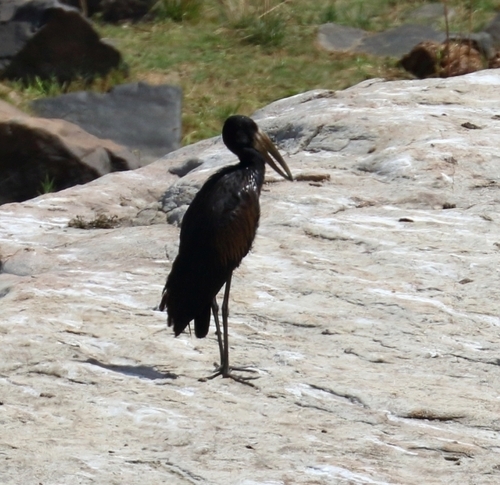 african openbill
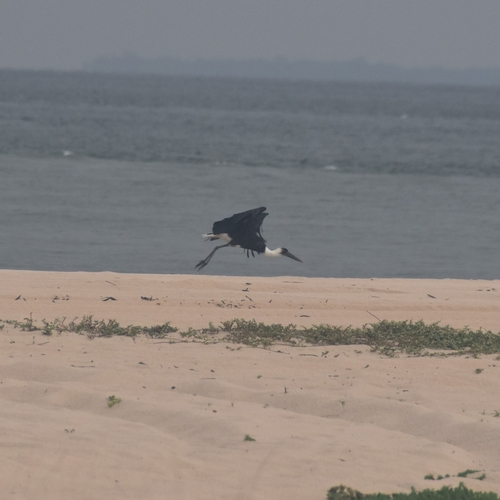 african woolly-necked stork
Em resumo
A marca de campo mais confiável para separar african openbill de african woolly-necked stork é a presença de um pescoço e barriga inferiores brancos e fofos no Woolly-necked, contrastando com a plumagem totalmente escura e iridescente do Openbill. Em voo ou em repouso, o pescoço e a barriga brancos do Woolly-necked se destacam mesmo à distância, enquanto o Openbill é uniformemente escuro com um brilho esverdeado e não possui branco. Os filhotes de Woolly-necked Storks apresentam uma testa plumosa, às vezes listrada, e uma marca branca na testa, enquanto os filhotes de Openbill permanecem totalmente escuros. A estrutura do bico também é distinta: o Openbill tem um bico único e espaçado, enquanto o bico do Woolly-necked é reto e pesado. Ambas as espécies são cegonhas de asas largas e pernas longas, mas essas diferenças de plumagem e estrutura são claras em campo.
Dicas de identificação
- Pescoço e Barriga Brancos (apenas Woolly-necked): Procure por um pescoço e barriga inferiores brancos e fofos—diagnóstico para Woolly-necked Stork de todas as idades, exceto filhotes muito jovens. Openbill é sempre totalmente escuro.
- Plumagem Totalmente Escura (Openbill): african openbill é uniformemente escuro, com um brilho iridescente esverdeado ou bronze nas asas e no peito, e nunca mostra branco no pescoço ou barriga em qualquer idade.
- Forma do Bico: Openbill tem um bico único e espaçado (as mandíbulas não se encontram exceto na ponta), adaptado para extrair moluscos. O bico do Woolly-necked Stork é reto, pesado e sólido, às vezes com uma base avermelhada, mas nunca espaçado.
- Testa de Filhote (Woolly-necked): Filhotes de Woolly-necked Storks têm uma testa plumosa, às vezes listrada, e uma marca branca proeminente no centro ao deixar o ninho. O filhote de Openbill é totalmente escuro, sem branco na testa.
- Iridescência: Ambas as espécies mostram iridescência, mas a do Openbill é esverdeada nas asas e no peito, enquanto a do Woolly-necked é cobre-púrpura no pescoço. Apenas o Woolly-necked tem penas do pescoço anterior alongadas e erectáveis.
- Vista em Voo: Em voo, o Woolly-necked Stork mostra um pescoço e barriga brancos por baixo, e uma faixa estreita e brilhante de cor laranja-avermelhada sem penas ao longo da parte inferior do antebraço (visível a curta distância). Openbill em voo é totalmente escuro, sem branco ou manchas de pele coloridas.
- Cauda: O Woolly-necked Stork tem uma cauda branca profundamente bifurcada, geralmente coberta por coberturas de cauda pretas; a cauda do Openbill não é descrita como bifurcada ou branca.
- Cor das Pernas: O Woolly-necked Stork tem pernas longas e vermelhas; a cor das pernas do Openbill não é especificada, mas não se destaca como vermelha.
- Cor da Íris: O Woolly-necked tem uma íris de vermelho profundo ou vinho; a cor da íris do Openbill não é especificada.
- Tamanho e Estrutura: O Woolly-necked Stork é maior e mais robusto, com um bico e corpo mais pesados, enquanto o Openbill é menor e mais esbelto, especialmente em voo.
- Contexto do Habitat: Se visto longe da água, especialmente em áreas agrícolas ou florestais, é mais provável que seja o Woolly-necked. Openbill está mais ligado a áreas úmidas.
- Comportamento: Openbill é mais ágil em voo, frequentemente mergulhando e manobrando; Woolly-necked também pode mergulhar, mas geralmente é mais pesado e ponderado.
- Vocalizações: Woolly-necked pode emitir apitos ou chiados, especialmente no ninho; Openbill é geralmente silencioso.
- Penugem de Filhote: Filhotes muito jovens de Woolly-necked são cinza pálido com penugem amarelada e uma coroa preta; filhotes de Openbill não são descritos em detalhes, mas é improvável que mostrem penugem pálida ou um pescoço branco.
- Penas de Exibição: As penas de desfile do Openbill são estruturalmente únicas, em forma de fita, e criam iridescência verde; as penas de exibição do Woolly-necked são alongadas e cobre, mas não em forma de fita.
Tamanho
O african woolly-necked stork é geralmente maior, medindo 75–92 cm de altura, enquanto o african openbill é menor e mais ágil em voo [wikipedia]. Ambas são cegonhas de tamanho médio a grande, mas a diferença de tamanho pode ser sutil, a menos que vistas lado a lado. O Woolly-necked Stork também parece mais pesado e robusto, especialmente no corpo e no bico.
Plumagem
- Filhotes/Imaturos: Os filhotes de Woolly-necked Storks são mais apagados do que os adultos, com uma testa plumosa (às vezes listrada em preto e branco) e uma marca branca proeminente no centro da testa na idade de deixar o ninho. Seu pescoço permanece mais fofo e mais claro do que os adultos. Os filhotes de african openbills são totalmente escuros, sem qualquer branco no pescoço ou barriga, e não mostram a marca branca na testa.
- Adultos: O adulto Woolly-necked Stork é negro brilhante no geral, com um pescoço branco e fofinho, barriga inferior branca e coberturas de cauda. A 'cobertura de crânio' preta e a iridescência cobre-púrpura no pescoço anterior são distintivas. Os adultos african openbill são uniformemente escuros com um brilho iridescente esverdeado, especialmente nas asas e no peito, e não possuem branco no pescoço ou barriga. As penas das asas e do peito são estruturalmente únicas, produzindo um brilho verde escuro. Ambas as espécies mostram alguma iridescência, mas apenas o Woolly-necked tem o pescoço cobre e áreas brancas.
- Em Voo: O Woolly-necked Stork mostra um pescoço e barriga brancos por baixo, e uma faixa estreita e brilhante de cor laranja-avermelhada sem penas ao longo da parte inferior do antebraço, visível a curta distância. O Openbill permanece totalmente escuro em voo, sem manchas brancas ou de pele brilhante.
Comportamento
O african openbill é notavelmente ágil para uma cegonha, frequentemente realizando mergulhos acentuados e manobras acrobáticas em voo, especialmente durante descidas. Ele utiliza tanto o bater de asas sustentado quanto o planador em térmicas. O Woolly-necked Stork também planifica em térmicas, mas é descrito como mais pesado e às vezes realiza voos abruptos e mergulhos acentuados, com o vento fazendo um barulho alto através de suas penas. Ambas as espécies voam com os pescoços esticados, mas o voo do Openbill é mais ágil e menos ponderado.
Habitat
Ambas as espécies são amplamente distribuídas na África Subsaariana e podem ser encontradas em áreas úmidas, mas o Woolly-necked Stork utiliza uma gama mais ampla de habitats, incluindo pântanos em florestas, áreas agrícolas e até mesmo ninhos em árvores altas em habitats não úmidos. O Openbill está mais intimamente ligado a áreas úmidas e corpos d'água, especialmente onde moluscos são abundantes. O Woolly-necked Stork é mais provável de ser visto longe da água, incluindo em paisagens agrícolas e florestais.
Voz
O Woolly-necked Stork emite apitos bisilábicos durante exibições e um som de chiado feroz quando ameaçado. Nenhuma vocalização distintiva é notada para o african openbill nas fontes fornecidas.
african openbill · african woolly-necked stork · Minhas aves difíceis