

Motmot

クロスキハシコウ 対 African Woolly-necked Stork

Anastomus lamelligerus 対 Ciconia microscelis

クロスキハシコウとAfrican Woolly-necked Storkのクイズ
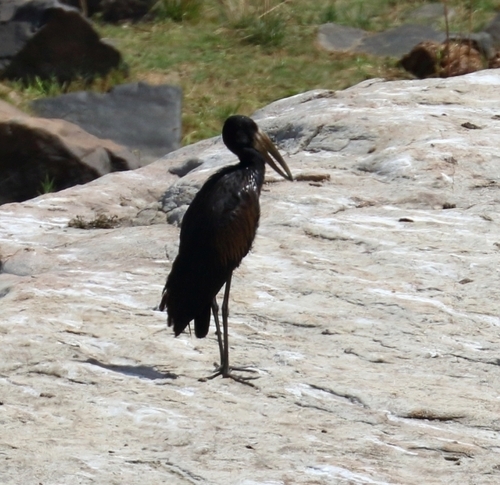
クロスキハシコウ (Anastomus lamelligerus) クロスキハシコウ
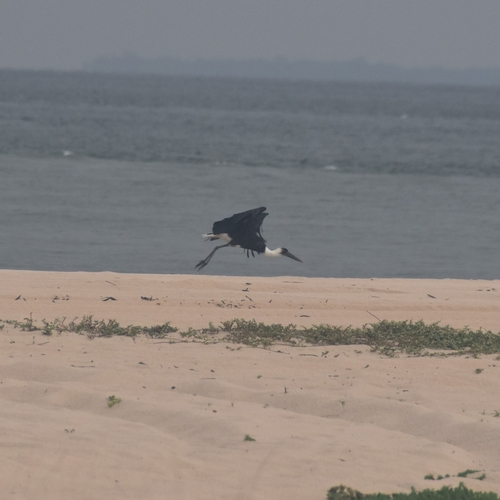
African Woolly-necked Stork (Ciconia microscelis) African Woolly-necked Stork

メディア

読み込み中…

要点

アフリカクロスキハシコウとアフリカウールリーネックコウを区別する最も信頼できるフィールドマークは、ウールリーネックの純白でふわふわした首と下腹部の存在であり、これは全体が暗色で虹色の羽毛を持つクロスキハシコウと対照的です。飛行中または静止中、ウールリーネックの白い首と腹部は遠くからでも際立って見えますが、クロスキハシコウは均一に暗色で緑がかった光沢があり、白色は全くありません。幼鳥のウールリーネックコウは羽毛のある、時には縞模様の額と額の中央に白いマークを示しますが、クロスキハシコウの幼鳥は全て暗色です。くちばしの構造も特徴的で、クロスキハシコウは独特の隙間のあるくちばしを持ち、ウールリーネックのくちばしは真っ直ぐで重いです。両種は広い翼を持ち、長い脚のコウですが、これらの羽毛と構造の違いはフィールドで明確です。

識別のコツ

  1. 白い首と腹部(ウールリーネックのみ): 純白でふわふわした首と下腹部を探してください—これは非常に若い巣立ち雛を除くすべての年齢のウールリーネックコウに特有です。クロスキハシコウは常に全て暗色です。
  2. 全暗色の羽毛(クロスキハシコウ): アフリカクロスキハシコウは均一に暗色で、翼と胸に緑がかったまたは青銅色の虹色の光沢があり、どの年齢でも首や腹部に白色を示しません。
  3. くちばしの形状: クロスキハシコウは独特の隙間のあるくちばし(下顎は先端以外では接触しない)を持ち、軟体動物を取り出すために適応しています。ウールリーネックコウのくちばしは真っ直ぐで重く、時には赤みがかった基部を持ちますが、決して隙間はありません。
  4. 幼鳥の額(ウールリーネック): 幼鳥のウールリーネックコウは羽毛のある額を持ち、時には縞模様があり、巣立ち時に中央に目立つ白いマークがあります。幼鳥のクロスキハシコウは全て暗色で、額に白色はありません。
  5. 虹色の光沢: 両種は虹色の光沢を示しますが、クロスキハシコウの光沢は翼と胸で緑がかっており、ウールリーネックの光沢は前首で銅紫色です。ウールリーネックのみが長く立てられる前首の羽毛を持っています。
  6. 飛行中の視覚: 飛行中、ウールリーネックコウは下から白い首と腹部を示し、前腕の下側に明るいオレンジ赤の羽毛のない帯が見えます(近距離で可視)。クロスキハシコウは飛行中は全て暗色で、白色や色のついた皮膚の斑点はありません。
  7. 尾: ウールリーネックコウは深く分かれた白い尾を持ち、通常は黒い尾羽の覆いで覆われています。クロスキハシコウの尾は分かれているまたは白いとは記述されていません。
  8. 脚の色: ウールリーネックコウは長い赤い脚を持っています。クロスキハシコウの脚の色は指定されていませんが、赤として目立つことはありません。
  9. 虹彩の色: ウールリーネックは深い紅色またはワインレッドの虹彩を持っています。クロスキハシコウの虹彩の色は指定されていません。
  10. サイズと構造: ウールリーネックコウはより大きく、頑丈で、重いくちばしと体を持ち、クロスキハシコウはより小さく、スリムで、特に飛行中はそうです。
  11. 生息地の文脈: 水から離れて見られた場合、特に農業地帯や森林地域では、ウールリーネックの方が可能性が高いです。クロスキハシコウは湿地により結びついています。
  12. 行動: クロスキハシコウは飛行中により敏捷で、しばしばダイビングや操縦を行います。ウールリーネックもダイビングできますが、一般的には重く、より鈍重です。
  13. 鳴き声: ウールリーネックは巣の近くで特にホイッスルやシュー音を出すことがありますが、クロスキハシコウは一般的に静かです。
  14. 雛の羽毛: 非常に若いウールリーネックの雛は淡い灰色で、バフ色の羽毛と黒い冠を持っています。クロスキハシコウの雛は詳細には記述されていませんが、淡い羽毛や白い首を示す可能性は低いです。
  15. ディスプレイ羽毛: クロスキハシコウのパレード羽毛は構造的に独特で、リボンのようで、緑の虹色を作り出します。ウールリーネックのディスプレイ羽毛は長く、銅色ですが、リボンのようではありません。

大きさ

アフリカウールリーネックコウは一般的に大きく、75〜92 cmの高さで立ち、アフリカクロスキハシコウは小さく、飛行中はより敏捷です [wikipedia]。両者は中型から大型のコウですが、サイズの違いは並べて見ない限り微妙かもしれません。ウールリーネックコウはまた、特に体とくちばしにおいて重く、頑丈に見えます。

羽色

行動

アフリカクロスキハシコウはコウとしては特に敏捷で、しばしば急降下やアクロバティックな操縦を行います、特に降下中に。持続的な羽ばたきと熱気流に乗っての滑空の両方を使用します。ウールリーネックコウも熱気流に乗って滑空しますが、重いと記述され、時には「コウモリのような」急な飛行や急降下を行い、風が羽毛を通して大きな音を立てます。両種は首を伸ばして飛びますが、クロスキハシコウの飛行はより敏捷で鈍重ではありません。

生息環境

両種はサハラ以南のアフリカに広く分布し、湿地に見られますが、ウールリーネックコウは森林の湿地、農業地域、さらには非湿地生息地の高い木に巣を作るなど、より広範な生息地を利用します。クロスキハシコウは湿地や水域により密接に結びついており、特に軟体動物が豊富な場所で見られます。ウールリーネックコウは水から離れた場所、農業地帯や森林の風景でも見られる可能性が高いです。

声

ウールリーネックコウはディスプレイ中に二音節のホイッスルを出し、脅かされたときには激しいシュー音を出します。提供された情報源にはアフリカクロスキハシコウの特有の鳴き声は記載されていません。

より良い説明を送る

比較と同じ項目を使ってください。文章はすぐに公開されます。

The most reliable field mark to separate African Openbill from African Woolly-necked Stork is the presence of a pure white, fluffy neck and lower belly on the Woolly-necked, contrasting with the all-dark, iridescent plumage of the Openbill. In flight or at rest, the Woolly-necked's white neck and belly stand out even at a distance, while the Openbill is uniformly dark with a greenish gloss and lacks any white. Juvenile Woolly-necked Storks show a feathered, sometimes streaked forehead and a white mark on the forehead, while Openbill juveniles remain all dark. Bill structure is also distinctive: Openbill has a unique, gapped bill, while Woolly-necked's bill is straight and heavy. Both species are broad-winged, long-legged storks, but these plumage and structural differences are clear in the field.

  1. White Neck and Belly (Woolly-necked only): Look for a pure white, downy neck and lower belly—diagnostic for Woolly-necked Stork of all ages except very young nestlings. Openbill is always all dark.
  2. All-Dark Plumage (Openbill): African Openbill is uniformly dark, with a greenish or bronze iridescent gloss on wings and chest, and never shows white on the neck or belly at any age.
  3. Bill Shape: Openbill has a unique, gapped bill (the mandibles do not meet except at the tip), adapted for extracting molluscs. Woolly-necked Stork's bill is straight, heavy, and solid, sometimes with a reddish base but never gapped.
  4. Juvenile Forehead (Woolly-necked): Juvenile Woolly-necked Storks have a feathered forehead, sometimes streaked, and a prominent white mark in the center at fledging. Juvenile Openbill is all dark, with no white on the forehead.
  5. Iridescence: Both species show iridescence, but Openbill's is greenish on the wings and chest, while Woolly-necked's is coppery-purple on the fore-neck. Only Woolly-necked has elongated, erectable fore-neck feathers.
  6. Flight View: In flight, Woolly-necked Stork shows a white neck and belly from below, and a bright orange-red unfeathered band along the underside of the forearm (visible at close range). Openbill in flight is all dark, with no white or colored skin patches.
  7. Tail: Woolly-necked Stork has a deeply forked white tail, usually covered by black under-tail coverts; Openbill's tail is not described as forked or white.
  8. Leg Color: Woolly-necked Stork has long red legs; Openbill's leg color is not specified but does not stand out as red.
  9. Iris Color: Woolly-necked has a deep crimson or wine-red iris; Openbill's iris color is not specified.
  10. Size and Structure: Woolly-necked Stork is larger and more robust, with a heavier bill and body, while Openbill is smaller and more slender, especially in flight.
  11. Habitat Context: If seen away from water, especially in agricultural or forested areas, Woolly-necked is more likely. Openbill is more tied to wetlands.
  12. Behavior: Openbill is more agile in flight, often diving and maneuvering; Woolly-necked can also dive but is generally heavier and more ponderous.
  13. Vocalizations: Woolly-necked may give whistles or hisses, especially at the nest; Openbill is generally silent.
  14. Nestling Down: Very young Woolly-necked nestlings are pale grey with buffy down and a black crown; Openbill nestlings are not described in detail but are unlikely to show pale down or a white neck.
  15. Display Feathers: Openbill's parade feathers are structurally unique, ribbon-like, and create green iridescence; Woolly-necked's display feathers are elongated and coppery, but not ribbon-like.

African Woolly-necked Stork is generally larger, standing 75–92 cm tall, while African Openbill is smaller and more agile in flight [wikipedia]. Both are medium-to-large storks, but the size difference may be subtle unless seen side by side. Woolly-necked Stork also appears heavier and more robust, especially in the body and bill.

  • Juveniles/Immatures: Juvenile Woolly-necked Storks are duller than adults, with a feathered forehead (sometimes streaked black-and-white) and a prominent white mark in the center of the forehead at fledging age. Their neck remains fluffier and paler than adults. Juvenile African Openbills are all dark, lacking any white on the neck or belly, and do not show the white forehead mark.
  • Adults: Adult Woolly-necked Stork is glistening black overall with a white, downy neck, white lower belly, and under-tail coverts. The black 'skull cap' and coppery-purple iridescence on the fore-neck are distinctive. African Openbill adults are uniformly dark with a greenish iridescent gloss, especially on the wings and chest, and lack any white on the neck or belly. Their wing and chest feathers are structurally unique, producing a dark green sheen. Both species show some iridescence, but only Woolly-necked has the coppery fore-neck and white areas.
  • In Flight: Woolly-necked Stork shows a white neck and belly from below, and a narrow, bright unfeathered orange-red band along the underside of the forearm, visible at close range. Openbill remains all dark in flight, with no white or bright skin patches.

African Openbill is notably agile for a stork, often performing steep dives and acrobatic maneuvers in flight, especially during descents. It uses both sustained flapping and soaring on thermals. Woolly-necked Stork also soars on thermals, but is described as heavier and sometimes performs 'bat-like' abrupt flights and steep dives, with wind making a loud noise through its quills. Both species fly with necks outstretched, but Openbill's flight is more agile and less ponderous.

Both species are widespread in Sub-Saharan Africa and can be found in wetlands, but Woolly-necked Stork uses a wider range of habitats, including marshes in forests, agricultural areas, and even nests on tall trees in non-wetland habitats. Openbill is more closely tied to wetlands and water bodies, especially where molluscs are abundant. Woolly-necked Stork is more likely to be seen away from water, including in agricultural and wooded landscapes.

Woolly-necked Stork gives bisyllabic whistles during displays and a fierce hissing sound when threatened. No distinctive vocalizations are noted for African Openbill in the provided sources.

変更を破棄しますか?

保存していない編集があります。今離れると失われます。

クロスキハシコウ · African Woolly-necked Stork · 苦手な鳥