

abdim's stork vs red-throated wryneck
Ciconia abdimii versus Jynx ruficollis
Jogue um quiz com abdim's stork e red-throated wryneck
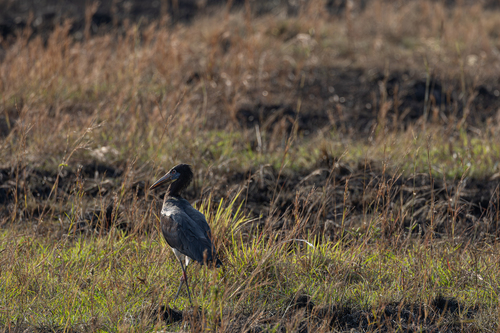 abdim's stork
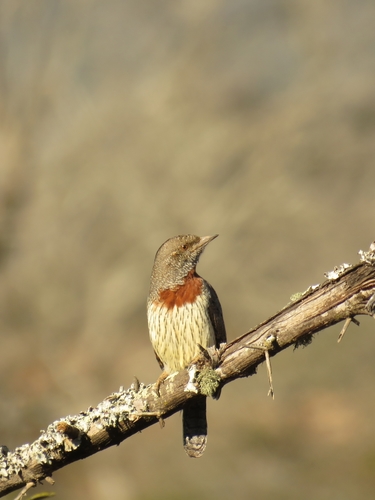 red-throated wryneck
Em resumo
A maneira mais confiável de separar abdim's stork de red-throated wryneck é pelo tamanho e estrutura geral: abdim's stork é um grande wader de pernas longas, enquanto o wryneck é um pequeno e esbelto parente dos pica-paus com plumagem críptica. Em voo ou empoleirado, o contraste preto e branco do stork, pernas longas e pele facial nua vermelha e azul (na época de reprodução) são inconfundíveis em comparação com a camuflagem intrincadamente padronizada e marrom do wryneck e seu bico curto e fino. Tanto os wrynecks juvenis quanto os adultos mostram uma mancha de garganta vermelha ou ruiva (variando por subespécie), que nunca aparece no stork. Se apenas uma visão rápida for obtida, concentre-se na forma do bico, comprimento das pernas e aparência geral: storks andam e planam, wrynecks se agarram e voam.
Dicas de identificação
- O tamanho é a primeira verificação: abdim's stork é enorme (cerca de 1 kg, 73 cm), enquanto red-throated wryneck é minúsculo (52 g, 19 cm). Se o pássaro estiver em qualquer lugar perto do tamanho de um pardal ou estorninho, não é um stork.
- Comprimento das pernas e postura: Storks têm pernas extremamente longas e visíveis tanto ao andar quanto em voo; wrynecks têm pernas curtas, raramente visíveis, e empoleiram-se eretos em galhos.
- Forma do bico: Stork tem um bico pesado, reto e cinza; wryneck tem um bico longo, fino e pontudo adequado para sondar, nunca pesado ou semelhante ao do stork.
- Blocos de plumagem: Stork é preto brilhante por cima, branco limpo por baixo, sem manchas; wryneck é intrincadamente listrado e riscado em marrons e cinzas, sem blocos sólidos pretos ou brancos.
- Pele facial: Em storks em reprodução, procure por pele vermelha na frente do olho e azul perto do bico; wrynecks têm rostos plumosos sem pele nua.
- Mancha de garganta: Wryneck mostra uma garganta vermelha ou ruiva e parte superior do peito (extensão varia por subespécie), nunca presente no stork.
- Estilo de voo: Stork planam e deslizam em asas largas; wryneck voa com um voo saltitante e ondulante típico de pica-paus.
- Forma da cauda e asas: Wryneck tem uma cauda longa em forma de leque e asas curtas; stork tem uma cauda curta e asas longas e largas.
- Comportamento de empoleiramento: Wryneck empoleira-se ereto, com a cauda e asas para baixo, frequentemente em galhos; stork fica ou anda no chão, raramente empoleirando-se em árvores.
- Comportamento de forrageio: Stork se alimenta em campos abertos, caminhando ou wading; wryneck forrageia principalmente no chão em busca de formigas, às vezes sondando a casca.
- Confusão juvenil: Mesmo os wrynecks juvenis, embora mais listrados, têm a mesma estrutura e padrão críptico; storks juvenis ainda são grandes, preto e branco, e de pernas longas.
- Contexto de habitat: Em florestas densas, espere wryneck; em campos abertos ou agrícolas, espere stork.
- Vocalização: Se você ouvir um chamado alto ou assobio de um pequeno pássaro, é wryneck; storks geralmente são silenciosos.
- Tamanho do grupo: Storks frequentemente estão em bandos, especialmente ao se alimentar; wrynecks são solitários ou em pares.
- Estação e sexo: Nenhuma confusão sazonal ou baseada em sexo significativa; ambas as espécies são residentes em grande parte de sua área de distribuição, e os sexos são semelhantes em campo.
Tamanho
Abdim's Stork é dramaticamente maior: cerca de 73 cm (29 pol) de altura e pesando pouco mais de 1 kg (2,2 lb), tornando-se o menor stork, mas ainda massivo em comparação com o comprimento de 19 cm (7,5 pol) e peso de 52 g (1,8 oz) do red-throated wryneck. Mesmo à distância, o tamanho, as pernas longas e o volume do stork são óbvios, enquanto o wryneck é do tamanho de um pardal e esbelto. Não há sobreposição em tamanho ou silhueta.
Plumagem
Nenhuma plumagem de idade ou de voo do red-throated wryneck se assemelha remotamente ao abdim's stork. Storks adultos e juvenis são pretos por cima com partes inferiores brancas, pernas cinzas e, na época de reprodução, pele facial vermelha na frente do olho e azul perto do bico. As pernas do stork são longas e visíveis mesmo em voo ou em repouso. O wryneck, por outro lado, é padronizado crípticamente em marrons, cinzas e pretos, com uma mancha de garganta vermelha ou ruiva (extensão varia por subespécie e idade), e uma aparência finamente listrada e manchada acima e abaixo. Wrynecks juvenis são mais escuros e mais listrados, mas ainda mostram o bico pequeno e o padrão críptico. As partes inferiores do wryneck são brancas com listras escuras, e as laterais/cauda canela nunca são brancas limpas como no stork. As asas do wryneck são marrons por cima e buff por baixo, sem qualquer contraste ousado. Em todas as idades, os blocos de cor preto e branco do stork e as manchas de pele nua são únicos.
Comportamento
Abdim's Stork é geralmente visto caminhando em áreas abertas, andando com pernas longas ou planando em asas largas. Alimenta-se principalmente de insetos, muitas vezes em grupos. O red-throated wryneck é solitário, empoleirando-se ereto em galhos ou forrageando no chão em busca de formigas, às vezes se agarrando a troncos de maneira semelhante aos pica-paus. Seu voo é ondulante, alternando entre batidas e deslizes, e raramente planam. Quando ameaçado, o wryneck torce o pescoço em uma exibição semelhante a uma cobra e pode assobiar, um comportamento não observado em storks.
Habitat
Ambas as espécies ocorrem em habitats abertos na África subsaariana, mas abdim's stork prefere campos abertos, pastagens e campos agrícolas, frequentemente longe de árvores. O red-throated wryneck requer habitats abertos com árvores dispersas ou grupos de floresta, pois precisa de superfícies verticais para empoleiramento e nidificação. Wrynecks raramente são encontrados em extensões sem árvores, enquanto storks evitam florestas densas.
Voz
Nenhuma vocalização diagnóstica é descrita para abdim's stork nestas notas. O red-throated wryneck é conhecido por seus chamados altos de empoleiramentos proeminentes, especialmente durante a publicidade de território, e por assobiar quando ameaçado. Se você ouvir um chamado alto e repetido ou assobio de um pequeno pássaro em uma árvore, é provável que seja o wryneck; storks geralmente são silenciosos ou emitem apenas crocitos baixos.