

Abdim's Stork vs Red-throated Wryneck
Ciconia abdimii contro Jynx ruficollis
Fai un quiz con Abdim's Stork e Red-throated Wryneck
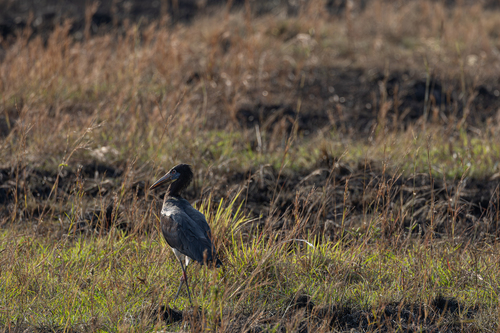 Abdim's Stork
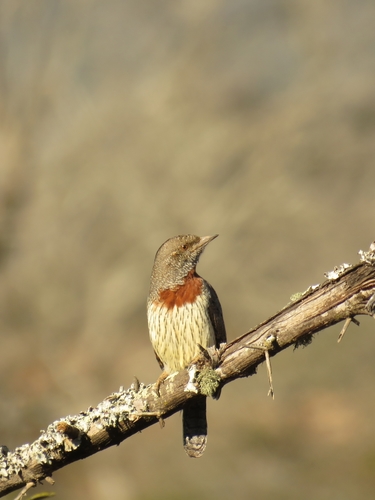 Red-throated Wryneck
In breve
Il modo più affidabile per separare Abdim's Stork da Red-throated Wryneck è la dimensione e la struttura complessive: Abdim's Stork è un grande trampoliere a gambe lunghe, mentre il wryneck è un piccolo e snello parente dei picchi con piumaggio criptico. In volo o posato, il contrasto bianco e nero del cicogna, le lunghe gambe e la pelle facciale rossa e blu nuda (in riproduzione) sono inconfondibili rispetto al piumaggio intricatamente disegnato e mimetico del wryneck, marrone e corto, e al becco fine. I wryneck giovanili e adulti mostrano entrambi una macchia rossa o rufosa sulla gola (variabile a seconda della sottospecie), che non appare mai sulla cicogna. Se si ha solo una visione rapida, concentrarsi sulla forma del becco, sulla lunghezza delle gambe e sul comportamento generale: le cicogne camminano e volano, i wryneck si aggrappano e svolazzano.
Consigli di identificazione
- La dimensione è il primo controllo: Abdim's Stork è enorme (circa 1 kg, 73 cm), mentre Red-throated Wryneck è minuscolo (52 g, 19 cm). Se l'uccello è di dimensioni simili a quelle di un passero o di uno storno, non è una cicogna.
- Lunghezza delle gambe e postura: Le cicogne hanno gambe estremamente lunghe e visibili sia camminando che in volo; i wryneck hanno gambe corte, raramente visibili, e si posano eretti sui rami.
- Forma del becco: La cicogna ha un becco pesante, dritto e grigio; il wryneck ha un becco lungo, sottile e appuntito adatto per sondare, mai pesante o simile a quello della cicogna.
- Blocchi di piumaggio: La cicogna è nera lucida sopra, bianca pulita sotto, senza macchie; il wryneck è intricatamente barrato e striato di marroni e grigi, senza blocchi solidi neri o bianchi.
- Pelle facciale: Nelle cicogne in riproduzione, cercare pelle rossa davanti all'occhio e blu vicino al becco; i wryneck hanno volti piumati senza pelle nuda.
- Macchia sulla gola: Il wryneck mostra una gola rossa o rufosa e un petto superiore (l'estensione varia a seconda della sottospecie), mai presente nella cicogna.
- Stile di volo: La cicogna vola e plana su ampie ali; il wryneck vola con un volo ondulato e saltellante tipico dei picchi.
- Forma della coda e delle ali: Il wryneck ha una lunga coda a ventaglio e ali corte; la cicogna ha una coda corta e ali lunghe e larghe.
- Comportamento di posarsi: Il wryneck si posiziona eretto, con la coda e le ali abbassate, spesso sui rami; la cicogna sta o cammina a terra, raramente posandosi sugli alberi.
- Comportamento di foraggiamento: La cicogna si nutre in campi aperti, camminando o guadando; il wryneck si nutre principalmente a terra per formiche, a volte sondando la corteccia.
- Confusione giovanile: Anche i wryneck giovanili, sebbene più barrati, hanno la stessa struttura e il motivo criptico; le cicogne giovanili sono ancora grandi, bianche e nere, e a gambe lunghe.
- Contesto dell'habitat: In boschi fitti, aspettati il wryneck; in prati aperti o campi agricoli, aspettati la cicogna.
- Vocalizzazione: Se senti un forte richiamo o un sibilo da un piccolo uccello, è un wryneck; le cicogne sono generalmente silenziose.
- Dimensione del gruppo: Le cicogne sono spesso in gruppi, specialmente quando si nutrono; i wryneck sono solitari o in coppie.
- Stagione e sesso: Nessuna confusione stagionale o basata sul sesso significativa; entrambe le specie sono residenti in gran parte del loro areale e i sessi sono simili sul campo.
Taglia
Abdim's Stork è drammaticamente più grande: circa 73 cm (29 in) di altezza e pesando poco più di 1 kg (2.2 lb), rendendola la cicogna più piccola, ma comunque massiccia rispetto ai 19 cm (7.5 in) di lunghezza e ai 52 g (1.8 oz) di peso del Red-throated Wryneck. Anche a distanza, la dimensione, le lunghe gambe e il volume della cicogna sono evidenti, mentre il wryneck è delle dimensioni di un passero e snello. Non c'è sovrapposizione nella dimensione o nel profilo.
Piumaggio
Nessun piumaggio di età o di volo del Red-throated Wryneck somiglia remotamente ad Abdim's Stork. Le cicogne adulte e giovanili sono nere sopra con parti inferiori bianche, gambe grigie e, durante la stagione di riproduzione, pelle facciale rossa davanti all'occhio e blu vicino al becco. Le gambe della cicogna sono lunghe e visibili anche in volo o a riposo. Il wryneck, al contrario, ha un motivo criptico in marroni, grigi e neri, con una macchia rossa o rufosa sulla gola (l'estensione varia a seconda della sottospecie e dell'età), e un aspetto finemente barrato e maculato sopra e sotto. I wryneck giovanili sono più scuri e più barrati, ma mostrano ancora il becco piccolo e il motivo criptico. Le parti inferiori del wryneck sono bianche con striature scure, e i fianchi/il sottocoda cannella non sono mai bianchi puliti come nella cicogna. Le ali del wryneck sono marroni sopra e color crema sotto, senza alcun contrasto audace. In tutte le età, i blocchi di colore bianco e nero della cicogna e le macchie di pelle nuda sono uniche.
Comportamento
Abdim's Stork è solitamente visto camminare in aree aperte, camminando con lunghe gambe o planando su ampie ali. Si nutre principalmente di insetti, spesso in gruppi. Il Red-throated Wryneck è solitario, posandosi eretto sui rami o foraggiando a terra per formiche, a volte aggrappandosi ai tronchi in modo simile ai picchi. Il suo volo è ondulato, alternando battiti e planate, e raramente plana. Quando minacciato, il wryneck torce il collo in una mostra simile a un serpente e può sibilare, un comportamento non osservato nelle cicogne.
Habitat
Entrambe le specie si trovano in habitat aperti nell'Africa sub-sahariana, ma Abdim's Stork preferisce campi aperti, praterie e campi agricoli, spesso lontano dagli alberi. Il Red-throated Wryneck richiede habitat aperti con alberi sparsi o gruppi di boschi, poiché ha bisogno di superfici verticali per posarsi e nidificare. I wryneck si trovano raramente in spazi privi di alberi, mentre le cicogne evitano i boschi fitti.
Voce
Nessuna vocalizzazione diagnostica è descritta per Abdim's Stork in queste note. Il Red-throated Wryneck è noto per i suoi forti richiami da posatoi prominenti, specialmente durante la pubblicità del territorio, e per il sibilo quando minacciato. Se senti un forte richiamo ripetuto o un sibilo da un piccolo uccello in un albero, è probabile che sia il wryneck; le cicogne sono generalmente silenziose o emettono solo crocchi bassi.
Abdim's Stork · Red-throated Wryneck · I miei uccelli difficili