

Motmot

アオハシコウ 対 ムネアカアリスイ

Ciconia abdimii 対 Jynx ruficollis

アオハシコウとムネアカアリスイのクイズ
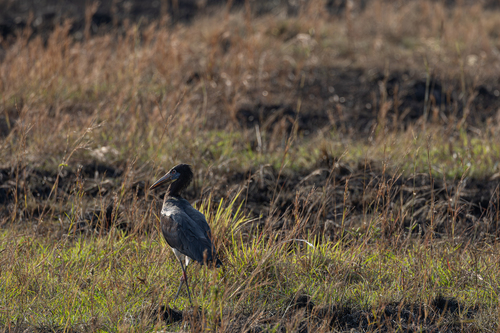
アオハシコウ (Ciconia abdimii) アオハシコウ
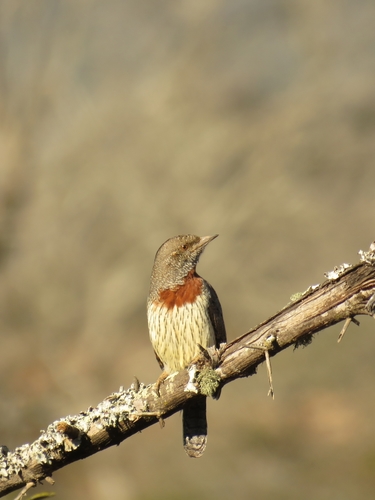
ムネアカアリスイ (Jynx ruficollis) ムネアカアリスイ

メディア

読み込み中…

要点

アオハシコウとムネアカアリスイを区別する最も信頼できる方法は、全体のサイズと構造です:アオハシコウは大きく、長い脚を持つ水鳥であり、一方ムネアカアリスイは小さく、スリムで、隠れた羽毛を持つキツツキの親戚です。飛んでいる時や止まっている時、アオハシコウの黒と白のコントラスト、長い脚、繁殖期の赤と青の顔の皮膚は、ムネアカアリスイの複雑に模様が入った茶色のカモフラージュと短く細いくちばしに対して明確です。幼鳥と成鳥のムネアカアリスイは、赤または赤褐色の喉の斑点を示します(亜種によって異なる)、これはアオハシコウには決して現れません。もし素早く見るだけなら、くちばしの形、脚の長さ、全体的な印象に注目してください:アオハシコウは大股で歩き、滑空し、ムネアカアリスイはしがみつき、ひらひらします。

識別のコツ

  1. サイズが最初のチェック:アオハシコウは巨大(約1kg、73cm)であり、ムネアカアリスイは小さい(52g、19cm)です。もし鳥がスズメやムクドリのサイズに近いなら、それはアオハシコウではありません。
  2. 脚の長さと姿勢:アオハシコウは歩いている時も飛んでいる時も非常に長く、目に見える脚を持っています;ムネアカアリスイは短い脚を持ち、めったに目に見えず、枝に直立して止まります。
  3. くちばしの形:アオハシコウは重く、まっすぐな灰色のくちばしを持っています;ムネアカアリスイは探るのに適した長く細い尖ったくちばしを持ち、決して重くなくアオハシコウのようではありません。
  4. 羽毛のブロック:アオハシコウは上面が光沢のある黒で、きれいな白で、まだら模様はありません;ムネアカアリスイは茶色と灰色で複雑に縞模様があり、固体の黒または白のブロックはありません。
  5. 顔の皮膚:繁殖期のアオハシコウでは、目の前に赤い皮膚とくちばしの近くに青い皮膚を探してください;ムネアカアリスイは羽毛のある顔を持ち、裸の皮膚はありません。
  6. 喉の斑点:ムネアカアリスイは赤または赤褐色の喉と上胸を示します(範囲は亜種によって異なる)、これはアオハシコウには決して存在しません。
  7. 飛行スタイル:アオハシコウは広い翼で滑空し、グライドします;ムネアカアリスイはキツツキに典型的な跳ねるような波状の飛行をします。
  8. 尾と翼の形:ムネアカアリスイは長く扇形の尾と短い翼を持っています;アオハシコウは短い尾と長く広い翼を持っています。
  9. 止まり方:ムネアカアリスイは直立して止まり、尾と翼を下にして、しばしば枝に止まります;アオハシコウは地面に立ったり歩いたりし、木に止まることはめったにありません。
  10. 採餌行動:アオハシコウは開けた野原で、足を浸したり歩いたりして餌を食べます;ムネアカアリスイは主に地面でアリを探し、時には樹皮を探ります。
  11. 幼鳥の混乱:幼鳥のムネアカアリスイは、より多くの縞模様があるにもかかわらず、同じ構造と隠れた模様を持っています;幼鳥のアオハシコウは依然として大きく、黒と白で、長い脚を持っています。
  12. 生息地の文脈:密な森林ではムネアカアリスイを期待し、開けた草原や農地ではアオハシコウを期待します。
  13. 鳴き声:小さな鳥から大きな鳴き声や hiss が聞こえたら、それはムネアカアリスイです;アオハシコウは一般的に静かです。
  14. 群れのサイズ:アオハシコウは餌を食べる時に特に群れでいることが多いです;ムネアカアリスイは孤独またはペアでいます。
  15. 季節と性別:重要な季節的または性別に基づく混乱はありません;両種はその範囲の多くに生息しており、フィールドでは性別が似ています。

大きさ

アオハシコウは劇的に大きいです:約73cm(29インチ)で、体重は1kg(2.2ポンド)を少し超え、最小のコウノトリですが、ムネアカアリスイの19cm(7.5インチ)の長さと52g(1.8オンス)の体重に比べて依然として巨大です。遠くからでも、アオハシコウのサイズ、長い脚、そして体格は明らかであり、ムネアカアリスイはスズメサイズでスリムです。サイズやシルエットに重複はありません。

羽色

ムネアカアリスイの年齢や飛行羽毛は、アオハシコウに remotely resemble しません。成鳥と幼鳥のアオハシコウは上面が黒で、下面が白、脚は灰色で、繁殖期には目の前に赤い顔の皮膚とくちばしの近くに青い皮膚があります。アオハシコウの脚は長く、飛んでいる時や休んでいる時でも目に見えます。対照的に、ムネアカアリスイは茶色、灰色、黒で隠れた模様があり、赤または赤褐色の喉の斑点(範囲は亜種や年齢によって異なる)を持ち、上面と下面は細かく縞模様があり、まだら模様があります。幼鳥のムネアカアリスイはより暗く、より多くの縞模様がありますが、依然として小さなくちばしと隠れた模様を示します。ムネアカアリスイの下面は白で、暗い筋があり、脇腹やシナモン色の尾はアオハシコウのようにきれいな白ではありません。ムネアカアリスイの翼は上面が茶色で、下面がバフ色で、はっきりとしたコントラストはありません。すべての年齢において、アオハシコウの黒と白の色のブロックと裸の皮膚のパッチは独特です。

行動

アオハシコウは通常、開けた場所で歩いているのが見られ、長い脚で大股で歩いたり、広い翼で滑空したりします。主に昆虫を食べ、しばしば群れで行動します。ムネアカアリスイは孤独で、枝に直立して止まったり、地面でアリを探したりし、時にはキツツキのように幹にしがみつきます。その飛行は波状で、羽ばたきと滑空を交互に行い、めったに滑空しません。脅威を感じると、ムネアカアリスイは首を蛇のようにひねり、 hiss することがありますが、これはアオハシコウには見られません。

生息環境

両種はサハラ以南のアフリカの開けた生息地に生息していますが、アオハシコウは開けた国、草原、農地を好み、しばしば木から遠く離れています。ムネアカアリスイは、止まり木や巣作りのために垂直な表面が必要なため、散在する木や森林の塊がある開けた生息地を必要とします。ムネアカアリスイは木のない広大な場所ではめったに見られず、アオハシコウは密な森林を避けます。

声

これらのメモには、アオハシコウの診断的な鳴き声は記載されていません。ムネアカアリスイは、特にテリトリーの広告中に目立つ止まり木からの大きな鳴き声と、脅威を感じた時の hiss で知られています。もし木の中の小さな鳥から大きな繰り返しの鳴き声や hiss が聞こえたら、それはおそらくムネアカアリスイです;アオハシコウは一般的に静かで、低いクローク音しか出しません。

より良い説明を送る

比較と同じ項目を使ってください。文章はすぐに公開されます。

The most reliable way to separate Abdim's Stork from Red-throated Wryneck is by overall size and structure: Abdim's Stork is a large, long-legged wader, while the wryneck is a small, slim, woodpecker-relative with cryptic plumage. In flight or perched, the stork's black-and-white contrast, long legs, and bare red and blue facial skin (in breeding) are unmistakable against the wryneck's intricately patterned, brownish camouflage and short, fine bill. Juvenile and adult wrynecks both show a red or rufous throat patch (varying by subspecies), which never appears on the stork. If only a quick view is had, focus on bill shape, leg length, and overall jizz: storks stride and soar, wrynecks cling and flit.

  1. Size is the first check: Abdim's Stork is huge (about 1 kg, 73 cm), while Red-throated Wryneck is tiny (52 g, 19 cm). If the bird is anywhere near sparrow or starling size, it's not a stork.
  2. Leg length and posture: Storks have extremely long, visible legs both walking and in flight; wrynecks have short legs, rarely visible, and perch upright on branches.
  3. Bill shape: Stork has a heavy, straight, grey bill; wryneck has a long, thin, pointed bill suited for probing, never heavy or stork-like.
  4. Plumage blocks: Stork is glossy black above, clean white below, with no mottling; wryneck is intricately barred and streaked in browns and greys, with no solid black or white blocks.
  5. Facial skin: In breeding storks, look for red skin in front of the eye and blue near the bill; wrynecks have feathered faces with no bare skin.
  6. Throat patch: Wryneck shows a red or rufous throat and upper breast (extent varies by subspecies), never present in stork.
  7. Flight style: Stork soars and glides on broad wings; wryneck flies with bounding, undulating flight typical of woodpeckers.
  8. Tail and wing shape: Wryneck has a long, fan-shaped tail and short wings; stork has a short tail and long, broad wings.
  9. Perching behavior: Wryneck perches upright, tail and wings down, often on branches; stork stands or walks on the ground, rarely perching in trees.
  10. Foraging behavior: Stork feeds in open fields, wading or walking; wryneck forages mainly on the ground for ants, sometimes probing bark.
  11. Juvenile confusion: Even juvenile wrynecks, though more barred, have the same structure and cryptic pattern; juvenile storks are still large, black-and-white, and long-legged.
  12. Habitat context: In dense woodland, expect wryneck; in open grassland or agricultural fields, expect stork.
  13. Vocalization: If you hear a loud call or hissing from a small bird, it's wryneck; storks are generally silent.
  14. Group size: Storks often in flocks, especially when feeding; wrynecks are solitary or in pairs.
  15. Season and sex: No significant seasonal or sex-based confusion; both species are resident in much of their range, and sexes are similar in the field.

Abdim's Stork is dramatically larger: about 73 cm (29 in) tall and weighing just over 1 kg (2.2 lb), making it the smallest stork, but still massive compared to the Red-throated Wryneck's 19 cm (7.5 in) length and 52 g (1.8 oz) weight. Even at a distance, the stork's size, long legs, and bulk are obvious, while the wryneck is sparrow-sized and slim. There is no overlap in size or silhouette.

No age or flight plumage of Red-throated Wryneck remotely resembles Abdim's Stork. Adult and juvenile storks are black above with white underparts, grey legs, and in breeding season, red facial skin in front of the eye and blue near the bill. The stork's legs are long and visible even in flight or at rest. The wryneck, by contrast, is cryptically patterned in browns, greys, and blacks, with a red or rufous throat patch (extent varies by subspecies and age), and a finely barred and mottled appearance above and below. Juvenile wrynecks are darker and more barred, but still show the small bill and cryptic pattern. The wryneck's underparts are white with dark streaks, and the flanks/cinnamon undertail are never clean white as in the stork. The wryneck's wings are brown above and buff below, lacking any bold contrast. In all ages, the stork's black-and-white color blocks and bare skin patches are unique.

Abdim's Stork is usually seen walking in open areas, striding with long legs, or soaring on broad wings. It feeds mainly on insects, often in groups. The Red-throated Wryneck is solitary, perching upright on branches or foraging on the ground for ants, sometimes clinging to trunks in woodpecker fashion. Its flight is undulating, alternating flaps and glides, and it rarely soars. When threatened, the wryneck twists its neck in a snake-like display and may hiss, a behavior not seen in storks.

Both species occur in open habitats in sub-Saharan Africa, but Abdim's Stork prefers open country, grasslands, and agricultural fields, often far from trees. The Red-throated Wryneck requires open habitats with scattered trees or clumps of woodland, as it needs vertical surfaces for perching and nesting. Wrynecks are rarely found in treeless expanses, while storks avoid dense woodland.

No diagnostic vocalizations are described for Abdim's Stork in these notes. Red-throated Wryneck is known for its loud calls from prominent perches, especially during territory advertisement, and for hissing when threatened. If you hear a loud, repeated call or hissing from a small bird in a tree, it's likely the wryneck; storks are generally silent or give only low croaks.

変更を破棄しますか?

保存していない編集があります。今離れると失われます。

アオハシコウ · ムネアカアリスイ · 苦手な鳥