

Witstuitfluittiran vs Grijsrugfluittiran
Sirystes albocinereus versus Sirystes sibilator
Speel een quiz met Witstuitfluittiran en Grijsrugfluittiran
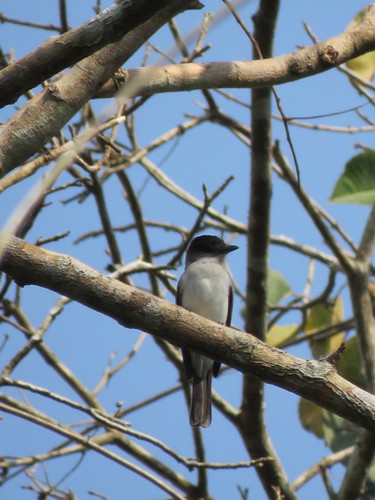 Witstuitfluittiran
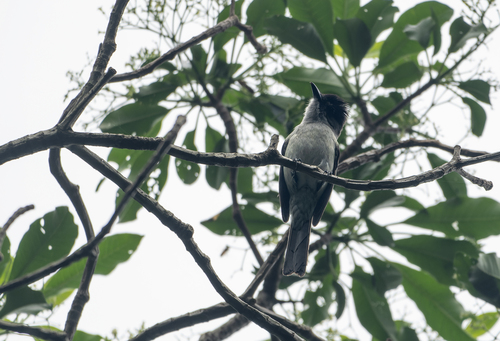 Grijsrugfluittiran
Kort gezegd
Het meest betrouwbare veldkenmerk tussen Witstuitfluittiran en Grijsrugfluittiran is de kleur en omvang van de stuitvlek: Witstuitfluittiran heeft een grote, schone witte stuitvlek, terwijl Grijsrugfluittiran een grijzige stuit heeft, soms met witte punten alleen in het noorden van zijn verspreidingsgebied. Beide soorten zijn vergelijkbaar in grootte en algehele structuur, met subtiele verschillen in rugkleur en vleugelrand. Juvenielen van beide lijken op volwassenen, maar juveniele Grijsrugfluittiran kunnen een vage buffy wash vertonen. Habitat en verspreiding overlappen in Bolivia en Brazilië, maar Grijsrugfluittiran strekt zich verder naar het zuiden en oosten uit. Scheiding in het veld hangt af van zorgvuldige inspectie van de stuit en subtiele bovenste kleuren, vooral wanneer vogels in de vlucht zijn of zitten met de stuit zichtbaar.
Herkenningstips
- Stuitvlek (alle leeftijden): Witstuitfluittiran toont altijd een grote, heldere witte stuitvlek, vooral duidelijk in de vlucht of wanneer de vogel zijn staart opflikkert. Grijsrugfluittiran heeft een grijzige stuit, soms met beperkte witte punten (voornamelijk in het noorden), nooit zo uitgebreid of helder als Witstuit.
- Rugkleur: Grijsrugfluittiran heeft vaak een olijfgrijze (olivaceous) tint op de rug, terwijl Witstuitfluittiran meer uniform grijs is. Dit is subtiel en het beste te zien in goed licht.
- Vleugelrand: Beide hebben zwartachtige vleugels met bleke of grijze randen, maar Grijsrugfluittiran toont brede grijze randen op de dekkingen en binnenste vliegveren, terwijl Witstuit bleke grijze randen op de dekkingen en witte randen op de binnenste vliegveren heeft. Het verschil is klein en niet altijd zichtbaar.
- Onderste delen: Witstuitfluittiran heeft een bleke grijze keel en borst, die wit wordt op de buik. Grijsrugfluittiran is grijs op de keel en borst, die grijsachtig wit wordt aan de onderzijde. Ondersoorten S. s. atimastus kunnen bleker zijn aan de onderzijde, maar dit is meestal niet diagnostisch.
- Juveniele verenkleed: Juveniele Grijsrugfluittiran kan een vage buffy wash vertonen, maar lijkt verder op volwassenen. Geen onderscheidende juveniele kenmerken zijn beschreven voor Witstuitfluittiran.
- Kroon en gezicht: Beide soorten hebben een zwartachtige kroon met een lichte kuif en een leisteenkleurig gezicht; dit is geen nuttige scheiding.
- Staart: Beide hebben een lange, zwartachtige, vierkant getipte staart. Staartvorm en kleur zijn niet diagnostisch.
- Iris kleur: Witstuitfluittiran heeft een koffiebruine iris, Grijsrugfluittiran een donkerroestbruine iris. Dit is subtiel en zelden zichtbaar onder veldomstandigheden.
- Snavel en poten: Beide hebben een zwarte snavel en zwartachtige poten en voeten; geen scheiding.
- Grootte en structuur: Beide zijn vrijwel identiek in grootte en verhoudingen; gebruik geen grootte voor identificatie.
- Habitat en verspreiding: Als in het westen van Amazonia (Peru, Ecuador, Colombia, westelijk Brazilië, Venezuela), wordt Witstuit verwacht. In het zuiden of oosten van Brazilië, Paraguay of Argentinië, is Grijsrug waarschijnlijker. In Bolivia en centraal Brazilië kunnen beide voorkomen; gebruik verenkleed.
- Variatie in ondersoorten: Grijsrugfluittiran S. s. atimastus (Mato Grosso) heeft geelachtige stuitpunten en blekere onderdelen, maar dit is clinaal en niet altijd betrouwbaar.
- Context: Beide soorten zijn specialist in het bladerdak, dus let op de stuitkleur wanneer vogels zich afzetten of hun staarten opflikkeren.
- Stem: Geen vocale verschillen zijn in de aantekeningen vermeld; vertrouw hier niet op de stem voor scheiding.
- Valkuilen: Wees voorzichtig met verlichting die de witte stuit van Witstuitfluittiran kan verdoezelen of de grijzige stuit van Grijsrug kan laten lijken als lichter. Probeer altijd een duidelijk zicht op de stuit en rug te krijgen.
Grootte
Beide soorten zijn bijna identiek in grootte: Witstuitfluittiran meet 18–19 cm en weegt 24–32 g, terwijl Grijsrugfluittiran 18–18,5 cm en 26–28 g is. Deze verschillen zijn verwaarloosbaar in het veld, en structuur (snavel, staart, vleugel) is geen betrouwbare scheiding.
Verenkleed
Het belangrijkste verschil in verenkleed is de stuit: Witstuitfluittiran (alle leeftijden) heeft een prominente, grote witte stuitvlek die opvalt tegen de grijze rug, vooral in de vlucht of wanneer de vogel zijn staart opflikkert. Grijsrugfluittiran heeft een grijzige stuit, soms met witte punten in het noordelijke deel van zijn verspreidingsgebied, maar nooit de uitgebreide witte van Witstuit. Op de rug toont Grijsrugfluittiran vaak een olivaceous (olijfgrijze) tint, terwijl Witstuit meer uniform grijs is. Beide hebben een zwartachtige kroon met een lichte kuif, leisteenkleurig gezicht en zwartachtige vleugels met bleke of brede grijze randen op de dekkingen en binnenste vliegveren. De onderdelen zijn pale grijs tot wit in Witstuit, en grijs tot grijsachtig wit in Grijsrug. Juvenielen van Grijsrugfluittiran kunnen een vage buffy wash vertonen, maar lijken verder op volwassenen. Staartvorm (lang, vierkant getipt, zwartachtig) is vergelijkbaar in beide.
Gedrag
Beide soorten zijn vliegende insecteneters die in het bladerdak leven, vaak hoog zitten en op insecten jagen. Er is geen sterke gedragsverschil in de aantekeningen. Beide kunnen moeilijk van dichtbij te observeren zijn vanwege hun voorkeur voor de hogere niveaus van het bos.
Habitat
Witstuitfluittiran komt voor in Bolivia, Brazilië, Colombia, Ecuador, Peru en Venezuela, met een voorkeur voor Amazone- en aangrenzende bossen. Grijsrugfluittiran wordt aangetroffen in Argentinië, Bolivia, Brazilië en Paraguay, met een verspreiding die verder naar het zuiden en oosten reikt, inclusief het Atlantisch Woud en Cerradão. Habitatoverlap komt voor in Bolivia en Brazilië, maar Grijsrugfluittiran is waarschijnlijker in de zuidelijke en oostelijke bossen, en Witstuit in het westen van Amazonia. Beide geven de voorkeur aan volwassen of primaire bossen, maar Grijsrugfluittiran gebruikt ook volwassen secundaire bossen en enkele drogere bossoorten.
Witstuitfluittiran · Grijsrugfluittiran · Mijn lastige vogels