

Motmot

コシジロフエフキタイランチョウ 対 フエフキタイランチョウ

Sirystes albocinereus 対 Sirystes sibilator

コシジロフエフキタイランチョウとフエフキタイランチョウのクイズ
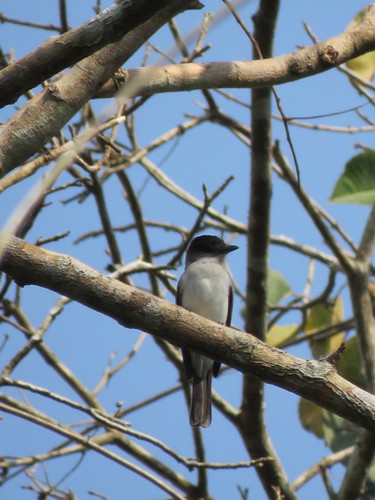
コシジロフエフキタイランチョウ (Sirystes albocinereus) コシジロフエフキタイランチョウ
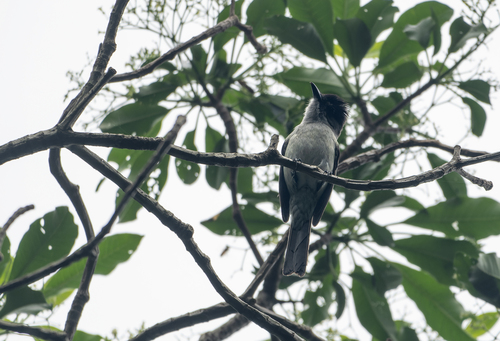
フエフキタイランチョウ (Sirystes sibilator) フエフキタイランチョウ

メディア

読み込み中…

要点

コシジロフエフキタイランチョウとフエフキタイランチョウの最も信頼できるフィールドマークは、尾羽の色と範囲です:コシジロフエフキタイランチョウは大きく、きれいな白い尾羽を示し、フエフキタイランチョウは灰色の尾羽を持ち、時には北部でのみ白い先端を持つことがあります。両種はサイズと全体的な構造が似ており、背中の色や翼の縁に微妙な違いがあります。両者の幼鳥は成鳥に似ていますが、フエフキタイランチョウの幼鳥は淡いバフィーの洗いが見られることがあります。生息地と分布はボリビアとブラジルで重なりますが、フエフキタイランチョウはさらに南と東に広がります。フィールドでの識別は、尾羽と微妙な上部の色合いを注意深く観察することに依存し、特に鳥が飛んでいるときや尾羽が見える位置に止まっているときに重要です。

識別のコツ

  1. 尾羽の斑点(全ての年齢): コシジロフエフキタイランチョウは常に大きく明るい白い尾羽の斑点を示し、特に飛んでいるときや鳥が尾を振るときに明らかです。フエフキタイランチョウは灰色の尾羽を持ち、時には限られた白い先端(主に北部)を持ちますが、コシジロフエフキタイランチョウほど広範囲または明るくはありません。
  2. 背中の色: フエフキタイランチョウはしばしばオリーブグレー(オリーブ色)の色合いを持ち、コシジロフエフキタイランチョウはより均一に灰色です。これは微妙で、良い光の下で最もよく見えます。
  3. 翼の縁: 両者は黒っぽい翼を持ち、淡いまたは灰色の縁がありますが、フエフキタイランチョウはカバーと内側の飛行羽に広い灰色の縁を示し、コシジロフエフキタイランチョウはカバーに淡い灰色の縁と内側の飛行羽に白い縁を持っています。違いはわずかで、常に見えるわけではありません。
  4. 下部: コシジロフエフキタイランチョウは淡い灰色の喉と胸を持ち、腹部は白くなります。フエフキタイランチョウは喉と胸が灰色で、下部は灰色がかった白になります。亜種 S. s. atimastus は下部がより淡いことがありますが、通常は診断的ではありません。
  5. 幼鳥の羽毛: 幼鳥のフエフキタイランチョウは全体に淡いバフィーの洗いが見られることがありますが、その他は成鳥に似ています。コシジロフエフキタイランチョウの幼鳥には特有の幼鳥のマークは記載されていません。
  6. 冠と顔: 両種はわずかな冠とスレートグレーの顔を持つ黒っぽい冠を持っています;これは有用な識別点ではありません。
  7. 尾: 両者は長く、黒っぽい、四角い先端の尾を持っています。尾の形と色は診断的ではありません。
  8. 虹彩の色: コシジロフエフキタイランチョウはコーヒーブラウンの虹彩を持ち、フエフキタイランチョウは暗い赤褐色の虹彩を持っています。これは微妙で、フィールド条件ではほとんど見えません。
  9. くちばしと足: 両者は黒いくちばしと黒っぽい足と足を持っています;これは識別点ではありません。
  10. サイズと構造: 両者はサイズと比率がほぼ同じです;サイズを識別に使用しないでください。
  11. 生息地と分布: 西アマゾニア(ペルー、エクアドル、コロンビア、西ブラジル、ベネズエラ)にいる場合、コシジロフエフキタイランチョウが期待されます。南部または東部のブラジル、パラグアイ、アルゼンチンでは、フエフキタイランチョウがより可能性があります。ボリビアと中央ブラジルでは、両者が発生する可能性があります;羽毛を使用してください。
  12. 亜種の変異: フエフキタイランチョウ S. s. atimastus(マトグロッソ)は黄色がかった尾羽の先端と淡い下部を持っていますが、これはクラインであり、常に信頼できるわけではありません。
  13. 文脈: 両種はキャノピーの専門家であるため、鳥がサリーや尾を振るときに尾羽の色を探してください。
  14. 声: ノートには音声の違いは提供されていません;ここでの識別に音声に依存しないでください。
  15. 落とし穴: コシジロフエフキタイランチョウの白い尾羽を隠す光や、フエフキタイランチョウの灰色の尾羽をより淡く見せる光に注意してください。常に尾羽と背中の明確な視界を試みてください。

大きさ

両種はサイズがほぼ同じです:コシジロフエフキタイランチョウは18–19 cmで、体重は24–32 g、フエフキタイランチョウは18–18.5 cmで、体重は26–28 gです。これらの違いはフィールドでは無視できるものであり、構造(くちばし、尾、翼)は信頼できる識別点ではありません。

羽色

羽毛の主な違いは尾羽です:コシジロフエフキタイランチョウ(全ての年齢)は目立つ大きな白い尾羽の斑点を持ち、特に飛んでいるときや鳥が尾を振るときに灰色の背中に対して際立ちます。フエフキタイランチョウは灰色の尾羽を持ち、時には北部で白い先端を持ちますが、コシジロフエフキタイランチョウの広範囲の白さはありません。背中では、フエフキタイランチョウはしばしばオリーブ色(オリーブグレー)の色合いを示し、コシジロフエフキタイランチョウはより均一に灰色です。両者はわずかな冠とスレートグレーの顔、黒っぽい翼を持ち、カバーと内側の飛行羽には淡いまたは広い灰色の縁があります。下部はコシジロフエフキタイランチョウでは淡い灰色から白、フエフキタイランチョウでは灰色から灰色がかった白です。フエフキタイランチョウの幼鳥は淡いバフィーの洗いが見られることがありますが、その他は成鳥に似ています。尾の形(長く、四角い先端、黒っぽい)は両者で似ています。

行動

両種はキャノピーに生息するフライキャッチャーであり、高い場所に止まり、昆虫を捕まえることがよくあります。ノートには強い行動上の区別はありません。両者は森林の上層を好むため、近くで観察するのが難しいことがあります。

生息環境

コシジロフエフキタイランチョウはボリビア、ブラジル、コロンビア、エクアドル、ペルー、ベネズエラに生息し、アマゾンおよび隣接する森林を好みます。フエフキタイランチョウはアルゼンチン、ボリビア、ブラジル、パラグアイに見られ、分布はさらに南と東に広がり、アトランティックフォレストとセラダンを含みます。生息地の重なりはボリビアとブラジルで見られますが、フエフキタイランチョウは南部と東部の森林でより可能性が高く、コシジロフエフキタイランチョウは西アマゾニアで見られます。両者は成熟したまたは原生の森林を好みますが、フエフキタイランチョウは成熟した二次林やいくつかの乾燥した森林タイプも利用します。

より良い説明を送る

比較と同じ項目を使ってください。文章はすぐに公開されます。

The most reliable field mark between White-rumped Sirystes and Sibilant Sirystes is the color and extent of the rump patch: White-rumped Sirystes shows a large, clean white rump patch, while Sibilant Sirystes has a grayish rump, sometimes with white tips only in the north of its range. Both species are similar in size and overall structure, with subtle differences in back color and wing edging. Juveniles of both are similar to adults, but Sibilant Sirystes juveniles may show a faint buffy wash. Habitat and range overlap in Bolivia and Brazil, but Sibilant Sirystes extends further south and east. Separation in the field relies on careful scrutiny of the rump and subtle upperpart hues, especially when birds are in flight or perched with the rump visible.

  1. Rump patch (all ages): White-rumped Sirystes always shows a large, bright white rump patch, especially obvious in flight or when the bird flicks its tail. Sibilant Sirystes has a grayish rump, sometimes with limited white tips (mainly in the north), never as extensive or bright as White-rumped.
  2. Back color: Sibilant Sirystes often has an olive-gray (olivaceous) cast to the back, while White-rumped Sirystes is more uniformly gray. This is subtle and best seen in good light.
  3. Wing edging: Both have blackish wings with pale or gray edges, but Sibilant Sirystes shows wide gray edges on coverts and inner flight feathers, while White-rumped has pale gray edges on coverts and white edges on inner flight feathers. The difference is slight and not always visible.
  4. Underparts: White-rumped Sirystes has a pale gray throat and breast, becoming white on the belly. Sibilant Sirystes is gray on the throat and breast, becoming grayish white below. Subspecies S. s. atimastus can be paler below, but this is not usually diagnostic.
  5. Juvenile plumage: Juvenile Sibilant Sirystes may show a faint buffy wash overall, but otherwise resembles adults. No distinctive juvenile marks are described for White-rumped Sirystes.
  6. Crown and face: Both species have a blackish crown with a slight crest and a slate gray face; this is not a useful separator.
  7. Tail: Both have a long, blackish, square-tipped tail. Tail shape and color are not diagnostic.
  8. Iris color: White-rumped Sirystes has a coffee-brown iris, Sibilant Sirystes a dark reddish brown iris. This is subtle and rarely visible in field conditions.
  9. Bill and legs: Both have a black bill and blackish legs and feet; not a separator.
  10. Size and structure: Both are virtually identical in size and proportions; do not use size for ID.
  11. Habitat and range: If in western Amazonia (Peru, Ecuador, Colombia, western Brazil, Venezuela), White-rumped is expected. In southern or eastern Brazil, Paraguay, or Argentina, Sibilant is more likely. In Bolivia and central Brazil, both may occur; use plumage.
  12. Subspecies variation: Sibilant Sirystes S. s. atimastus (Mato Grosso) has yellowish rump tips and paler underparts, but this is clinal and not always reliable.
  13. Context: Both species are canopy specialists, so look for rump color when birds are sallying or flicking their tails.
  14. Voice: No vocal differences are provided in the notes; do not rely on voice for separation here.
  15. Pitfalls: Beware of lighting that can obscure the white rump of White-rumped Sirystes or make the gray rump of Sibilant appear paler. Always try for a clear view of the rump and back.

Both species are nearly identical in size: White-rumped Sirystes measures 18–19 cm and weighs 24–32 g, while Sibilant Sirystes is 18–18.5 cm and 26–28 g. These differences are negligible in the field, and structure (bill, tail, wing) is not a reliable separator.

The key plumage difference is the rump: White-rumped Sirystes (all ages) has a prominent, large white rump patch that stands out against the gray back, especially in flight or when the bird flicks its tail. Sibilant Sirystes has a grayish rump, sometimes with white tips in the northern part of its range, but never the extensive white of White-rumped. On the back, Sibilant Sirystes often shows an olivaceous (olive-gray) cast, while White-rumped is more uniformly gray. Both have a blackish crown with a slight crest, slate gray face, and blackish wings with pale or wide gray edges on the coverts and inner flight feathers. The underparts are pale gray to white in White-rumped, and gray to grayish white in Sibilant. Juveniles of Sibilant Sirystes may show a faint buffy wash, but otherwise resemble adults. Tail shape (long, square-tipped, blackish) is similar in both.

Both species are canopy-dwelling flycatchers, often perching high and sallying for insects. There is no strong behavioral distinction in the notes. Both may be difficult to observe closely due to their preference for the upper levels of forest.

White-rumped Sirystes occurs in Bolivia, Brazil, Colombia, Ecuador, Peru, and Venezuela, favoring Amazonian and adjacent forests. Sibilant Sirystes is found in Argentina, Bolivia, Brazil, and Paraguay, with a range extending further south and east, including the Atlantic Forest and Cerradão. Habitat overlap occurs in Bolivia and Brazil, but Sibilant Sirystes is more likely in southern and eastern forests, and White-rumped in western Amazonia. Both prefer mature or primary forest, but Sibilant Sirystes also uses mature secondary woodland and some drier forest types.

変更を破棄しますか?

保存していない編集があります。今離れると失われます。

コシジロフエフキタイランチョウ · フエフキタイランチョウ · 苦手な鳥