

White-rumped Sirystes vs Sibilant Sirystes
Sirystes albocinereus contro Sirystes sibilator
Fai un quiz con White-rumped Sirystes e Sibilant Sirystes
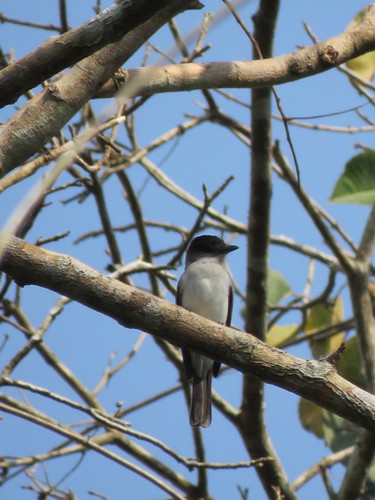 White-rumped Sirystes
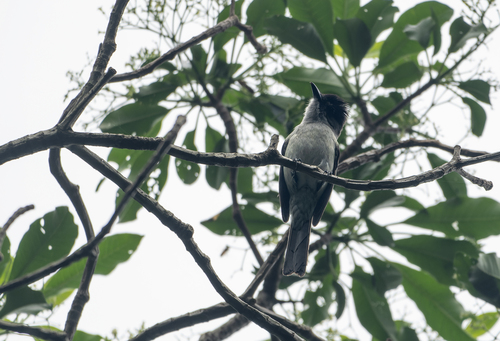 Sibilant Sirystes
In breve
Il segno distintivo più affidabile tra il White-rumped Sirystes e il Sibilant Sirystes è il colore e l'estensione della macchia sulla coda: il White-rumped Sirystes mostra una grande macchia bianca pulita sulla coda, mentre il Sibilant Sirystes ha una coda grigia, a volte con punte bianche solo nel nord del suo areale. Entrambe le specie sono simili per dimensioni e struttura generale, con sottili differenze nel colore della schiena e nei bordi delle ali. I giovani di entrambe le specie sono simili agli adulti, ma i giovani del Sibilant Sirystes possono mostrare una leggera sfumatura color crema. L'habitat e l'areale si sovrappongono in Bolivia e Brasile, ma il Sibilant Sirystes si estende più a sud e a est. La separazione sul campo si basa su un attento esame della coda e delle sottili sfumature superiori, specialmente quando gli uccelli sono in volo o appollaiati con la coda visibile.
Consigli di identificazione
- Rump patch (all ages): Il White-rumped Sirystes mostra sempre una grande macchia bianca brillante sulla coda, particolarmente evidente in volo o quando l'uccello muove la coda. Il Sibilant Sirystes ha una coda grigia, a volte con punte bianche limitate (principalmente a nord), mai così estese o brillanti come quelle del White-rumped.
- Back color: Il Sibilant Sirystes ha spesso una tonalità grigio-oliva (olivacea) sulla schiena, mentre il White-rumped Sirystes è più uniformemente grigio. Questa è sottile e meglio visibile in buona luce.
- Wing edging: Entrambi hanno ali nere con bordi chiari o grigi, ma il Sibilant Sirystes mostra ampi bordi grigi sulle copritrici e sulle piume di volo interne, mentre il White-rumped ha bordi grigio chiaro sulle copritrici e bordi bianchi sulle piume di volo interne. La differenza è lieve e non sempre visibile.
- Underparts: Il White-rumped Sirystes ha una gola e un petto grigio chiaro, che diventano bianchi sull'addome. Il Sibilant Sirystes è grigio sulla gola e sul petto, diventando bianco-grigiastro sotto. La sottospecie S. s. atimastus può essere più chiara sotto, ma questo non è solitamente diagnostico.
- Juvenile plumage: Il giovane Sibilant Sirystes può mostrare una leggera sfumatura color crema complessiva, ma altrimenti assomiglia agli adulti. Non sono descritti segni distintivi per i giovani del White-rumped Sirystes.
- Crown and face: Entrambe le specie hanno una corona nera con una leggera cresta e un volto grigio ardesia; questo non è un separatore utile.
- Tail: Entrambi hanno una lunga coda nera con punta quadrata. La forma e il colore della coda non sono diagnostici.
- Iris color: Il White-rumped Sirystes ha un'iride marrone caffè, il Sibilant Sirystes un'iride marrone rossastro scuro. Questa è sottile e raramente visibile in condizioni di campo.
- Bill and legs: Entrambi hanno un becco nero e zampe e piedi neri; non è un separatore.
- Size and structure: Entrambi sono praticamente identici per dimensioni e proporzioni; non utilizzare la dimensione per l'identificazione.
- Habitat and range: Se si trova nell'Amazzonia occidentale (Perù, Ecuador, Colombia, Brasile occidentale, Venezuela), ci si aspetta il White-rumped. Nel sud o nell'est del Brasile, in Paraguay o in Argentina, è più probabile il Sibilant. In Bolivia e nel Brasile centrale, entrambe le specie possono verificarsi; utilizzare il piumaggio.
- Subspecies variation: Il Sibilant Sirystes S. s. atimastus (Mato Grosso) ha punte della coda giallastre e parti inferiori più chiare, ma questo è clinale e non sempre affidabile.
- Context: Entrambe le specie sono specialiste della canopia, quindi cerca il colore della coda quando gli uccelli si lanciano o muovono le loro code.
- Voice: Non sono fornite differenze vocali nelle note; non fare affidamento sulla voce per la separazione qui.
- Pitfalls: Fai attenzione all'illuminazione che può oscurare la coda bianca del White-rumped Sirystes o rendere la coda grigia del Sibilant più chiara. Cerca sempre di avere una visione chiara della coda e della schiena.
Taglia
Entrambe le specie sono quasi identiche in dimensioni: il White-rumped Sirystes misura 18–19 cm e pesa 24–32 g, mentre il Sibilant Sirystes è 18–18.5 cm e 26–28 g. Queste differenze sono trascurabili sul campo, e la struttura (becco, coda, ala) non è un separatore affidabile.
Piumaggio
La principale differenza nel piumaggio è la coda: il White-rumped Sirystes (tutte le età) ha una prominente e grande macchia bianca sulla coda che spicca contro la schiena grigia, specialmente in volo o quando l'uccello muove la coda. Il Sibilant Sirystes ha una coda grigia, a volte con punte bianche nella parte settentrionale del suo areale, ma mai l'estesa bianca del White-rumped. Sulla schiena, il Sibilant Sirystes mostra spesso una tonalità olivacea (grigio-oliva), mentre il White-rumped è più uniformemente grigio. Entrambi hanno una corona nera con una leggera cresta, un volto grigio ardesia e ali nere con bordi chiari o ampi bordi grigi sulle copritrici e sulle piume di volo interne. Le parti inferiori sono grigio chiaro a bianche nel White-rumped, e grigie a bianco-grigiastre nel Sibilant. I giovani del Sibilant Sirystes possono mostrare una leggera sfumatura color crema, ma altrimenti assomigliano agli adulti. La forma della coda (lunga, quadrata, nera) è simile in entrambe.
Comportamento
Entrambe le specie sono moschettieri che abitano la canopia, spesso appollaiati in alto e che si lanciano per catturare insetti. Non ci sono forti distinzioni comportamentali nelle note. Entrambi possono essere difficili da osservare da vicino a causa della loro preferenza per i livelli superiori della foresta.
Habitat
Il White-rumped Sirystes si trova in Bolivia, Brasile, Colombia, Ecuador, Perù e Venezuela, preferendo le foreste amazzoniche e adiacenti. Il Sibilant Sirystes si trova in Argentina, Bolivia, Brasile e Paraguay, con un areale che si estende ulteriormente a sud e a est, inclusa la Foresta Atlantica e il Cerradão. Si verifica una sovrapposizione dell'habitat in Bolivia e Brasile, ma il Sibilant Sirystes è più probabile nelle foreste meridionali e orientali, e il White-rumped nell'Amazzonia occidentale. Entrambi preferiscono foreste mature o primarie, ma il Sibilant Sirystes utilizza anche boschi secondari maturi e alcuni tipi di foresta più asciutti.
White-rumped Sirystes · Sibilant Sirystes · I miei uccelli difficili