

Westelijke blonde tapuit vs Bonte tapuit
Oenanthe hispanica versus Oenanthe pleschanka
Speel een quiz met Westelijke blonde tapuit en Bonte tapuit
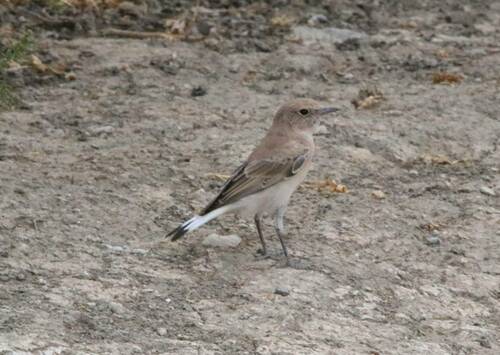 Westelijke blonde tapuit
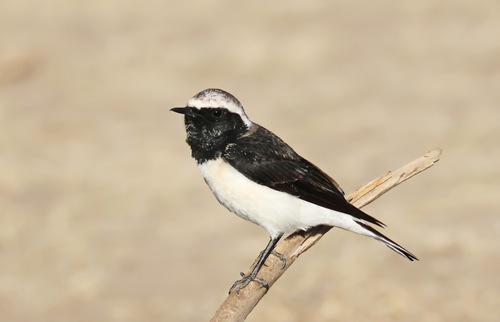 Bonte tapuit
Kort gezegd
Het meest betrouwbare veldkenmerk tussen Westelijke blonde tapuit en Bonte tapuit is de algehele toon en het contrast van de bovenzijde en het koppatroon bij volwassen mannetjes: Westelijke blonde tapuit mannetjes hebben buff-getinte bovenzijde en een zwarte masker die stopt bij de snavelbasis, terwijl Bonte tapuit mannetjes scherper zwart-wit zijn met een witte kroon die bruin getint is en een zwarte masker die naar de keel doorloopt. Vrouwtjes en onvolwassen vogels zijn lastiger, maar Westelijke blonde tapuit is over het algemeen warmer bruin, terwijl Bonte tapuit kouder, donkerder en kleiner is met minder wit op de staart. In alle leeftijden is het staartpatroon vergelijkbaar, maar er zijn subtiele verschillen in de omvang en vorm van het zwart op de staartveren. Bij twijfel, focus op de warmte van het verenkleed en de scherpte van het zwart-wit contrast, vooral bij mannetjes in de lente en zomer.
Herkenningstips
- Kop patroon mannetje (broedperiode): Westelijke blonde tapuit mannetjes hebben een zwarte masker die stopt bij de snavelbasis en niet bovenuit steekt, terwijl Bonte tapuit mannetjes een zwarte masker hebben die samensmelt met de zwarte keel, wat een uitgebreider en scherp gedefinieerd zwart-wit contrast creëert. Dit is het meest betrouwbaar in de lente en zomer.
- Kleur van de bovenzijde (man): Westelijke blonde tapuit mannetjes tonen buff-getinte bovenzijde, wat een zachtere, minder scherp zwart-wit uitstraling geeft. Bonte tapuit mannetjes hebben een witte kroon die bruin getint is en zwarte mantel/schouderveren met buff-tips, waardoor ze een strakker patroon lijken te hebben.
- Keel en gezicht (man): Zwartkeel Westelijke blonde tapuit mannetjes hebben minder zwart op de keel en het gezicht, en het zwart eindigt minder abrupt dan bij Bonte. Bonte mannetjes hebben een solide zwarte keel en gezicht, scherp afgebakend van de witte kroon.
- Toon vrouwtje/onvolwassen: Westelijke blonde tapuit vrouwtjes zijn over het algemeen warmer bruin, terwijl Bonte tapuit vrouwtjes kouder, donkerder bruin zijn met zandkleurige buff op het hoofd en minder wit op de staart. Deze warmte/koudheid is een belangrijke scheiding bij doffere vogels.
- Staartpatroon: Beide tonen een witte staart met zwart dat een omgekeerde 'T' vormt, maar de buitenste staartveren van Bonte tapuit hebben meer zwart aan de tips, en het centrale paar is zwart met witte bases. Westelijke blonde tapuit's staart is witter, met het wit op de binnenste web vaak tot de punt reikt en minder uitgebreid zwart.
- Staart en rug: Westelijke blonde tapuit van beide geslachten heeft een witte onderrug en staart, vaak uitgebreider dan bij Bonte, waarvan de vrouwtjes vooral minder wit hier tonen.
- Vleugel kleur: Westelijke blonde tapuit mannetjes hebben zwartere vleugels dan Tapuit, maar de vleugels van Bonte tapuit zijn zwart met romige buff-tips en randen, vooral in vers verenkleed.
- Jong patroon: Bonte tapuit jongen zijn gespikkeld boven door bleke centra op bruine veren, terwijl Westelijke blonde tapuit jongen warmer bruin zijn en minder duidelijk gemarkeerd.
- Grootte: Bonte tapuit vrouwtjes zijn iets kleiner, maar dit is subtiel en niet meestal nuttig in het veld.
- Habitat en verspreiding: In West-Europa wordt Westelijke blonde tapuit verwacht; Bonte tapuit is een zeldzame dwaalgast. Context kan helpen, maar is op zichzelf niet diagnostisch.
- Stem: Bonte tapuit geeft een harde 'zack zack' roep en een variabel, muzikaal lied. De vocalisaties van Westelijke blonde tapuit worden hier niet beschreven, dus vertrouw niet op de stem voor scheiding.
- Seizoensverandering: Westelijke blonde tapuit mannetjes worden in de herfst en winter buffiger op het hoofd en de mantel, terwijl Bonte tapuit mannetjes meer uniform bruin en wit worden naarmate de veertips slijten.
- Zittend vs. vliegende weergaven: Staartpatroon is het beste te zien in de vlucht of wanneer de staart is opgefanned. Hoofd en bovenzijde kleur zijn betrouwbaarder wanneer de vogel zit en in goed licht.
- Potentiële valkuilen: Beide kunnen witte staarten en vergelijkbare staartpatronen tonen; vertrouw niet alleen op de staart. Vrouwtjes en onvolwassen vogels zijn vooral lastig—focus op de algehele warmte/koudheid en de omvang van het wit op de onderrug.
Grootte
Beide soorten zijn kleine tapuiten en zijn zeer dicht bij elkaar in grootte, met Bonte tapuit die ongeveer 14–14.6 cm in lengte wordt vermeld. Vrouwtjes van Bonte tapuit worden als iets kleiner dan mannetjes genoteerd, maar het verschil is klein en waarschijnlijk niet diagnostisch in het veld. Er zijn geen significante structurele verschillen in grootte of vorm beschreven tussen deze twee soorten.
Verenkleed
-
Jong/onvolwassen vogels: Bonte tapuit jongen zijn bruin boven met bleke centra nabij de veertips, wat een gespikkeld uiterlijk geeft, terwijl Westelijke blonde tapuit vrouwtjes en onvolwassen vogels warmer bruin zijn en minder duidelijk gemarkeerd. Bonte tapuit jongen lijken kouder en meer uniform bruin en wit naarmate ze ouder worden, met romige buff onderdelen.
-
Volwassen mannetjes (broedperiode): Westelijke blonde tapuit mannetjes hebben een witte of bijna witte kroon en voorhoofd, buff mantel, zwartere vleugels, en een zwarte masker die stopt bij de snavelbasis. Hun onderdelen zijn wit getint met buff, en de rug, bovenste staartdekkers, en het grootste deel van de staart zijn wit. Zwartkeel individuen hebben minder zwart op de keel en het gezicht, en het zwart eindigt minder abrupt dan bij Bonte. Bonte tapuit mannetjes zijn scherper gemarkeerd: witte kroon die bruin getint is, zwart gezicht en keel, zwarte mantel en schouderveren met buff-tips, romig-witte rug en staart, en een meer onderscheidend zwart-wit contrast in het algemeen.
-
Vrouwtjes: Westelijke blonde tapuit vrouwtjes zijn warmer bruin, met een kenmerkende witte onderrug en minder gemarkeerde seizoensveranderingen. Bonte tapuit vrouwtjes zijn bruiner met buff-tips, kleiner, en tonen minder wit op de staart, met een zandkleurige buff wash op het hoofd. Beide hebben bruine en witte staarten, maar die van Bonte is kouder van toon.
-
Staartpatroon: Beide soorten hebben een witte staart met zwarte markeringen die een omgekeerde 'T' vormen, maar de buitenste staartveren van Bonte tapuit hebben meer zwart aan de tips en het centrale paar is zwart met witte bases. De staart van Westelijke blonde tapuit is over het algemeen witter, met het wit op de binnenste web vaak tot de punt reikt, en het zwart minder uitgebreid.
Gedrag
Beide soorten zijn typische tapuiten: rechtopstaande houding, voeden op de grond, en vaak zittend op rotsen of lage palen. Bonte tapuit mannetjes kunnen zingen vanuit een zitplaats of in de vlucht, vooral in het vroege zomer en augustus. Er zijn geen grote gedragsverschillen beschreven die nuttig zijn voor veldscheiding.
Habitat
Westelijke blonde tapuit wordt over het algemeen aangetroffen in Zuid-Europa en het westelijke Middellandse Zeegebied, terwijl Bonte tapuit broedt van Zuidoost-Europa door Centraal-Azië en een zeldzame dwaalgast is in West-Europa. Beide geven de voorkeur aan open, stenige, schaars begroeide habitats, maar Bonte tapuit is waarschijnlijker in Centraal-Aziatische steppe of rotsachtige heuvels, en Westelijke blonde tapuit in Mediterrane scrub of rotsachtige hellingen. In West-Europa is Bonte veel zeldzamer en zou onverwacht zijn buiten een dwaalgastcontext.
Geluid
De roep van Bonte tapuit is een harde 'zack zack', en zijn lied is laag, muzikaal en variabel, soms leeuwerikachtig of fluitend, geleverd vanuit een zitplaats of in de vlucht. Er zijn geen onderscheidende vocale verschillen genoteerd voor Westelijke blonde tapuit in deze bronnen, dus de stem is hier geen betrouwbare scheider.
Westelijke blonde tapuit · Bonte tapuit · Mijn lastige vogels