

Motmot

ニシカオグロサバクヒタキ 対 セグロサバクヒタキ

Oenanthe hispanica 対 Oenanthe pleschanka

ニシカオグロサバクヒタキとセグロサバクヒタキのクイズ
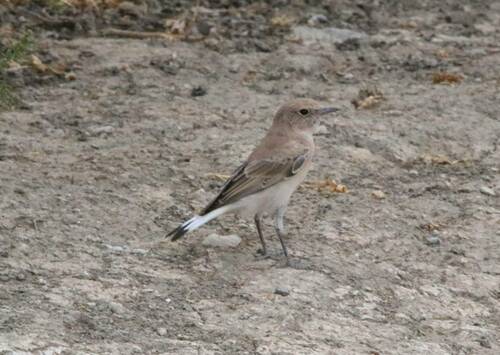
ニシカオグロサバクヒタキ (Oenanthe hispanica) ニシカオグロサバクヒタキ
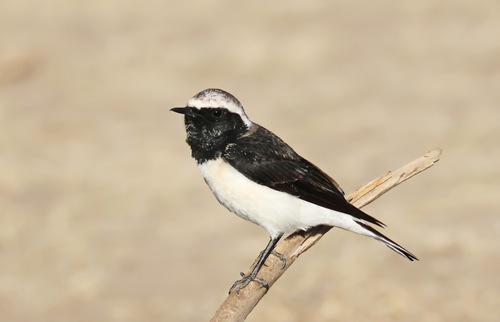
セグロサバクヒタキ (Oenanthe pleschanka) セグロサバクヒタキ

メディア

読み込み中…

要点

ニシカオグロサバクヒタキとセグロサバクヒタキの最も信頼できるフィールドマークは、成鳥のオスにおける上面と頭部パターンの全体的なトーンとコントラストです:ニシカオグロサバクヒタキのオスはバフ色がかった上面と、くちばしの根元で止まる黒いマスクを持っていますが、セグロサバクヒタキのオスはよりシャープな白黒で、茶色がかった白い冠と喉まで伸びる黒いマスクを持っています。メスと幼鳥はより難しいですが、ニシカオグロは全体的に温かみのある茶色であるのに対し、セグロは冷たく、暗く、より小さく、尾羽に白が少ないです。すべての年齢において、尾のパターンは似ていますが、尾羽の黒の広がりと形に微妙な違いがあります。疑わしい場合は、羽毛の温かみと白黒のコントラストのシャープさに焦点を当ててください。特に春と夏のオスにおいて。

識別のコツ

  1. Male head pattern (breeding): ニシカオグロサバクヒタキのオスは、くちばしの根元で止まる黒いマスクを持ち、上に伸びませんが、セグロサバクヒタキのオスは黒い喉と融合する黒いマスクを持ち、より広範囲で明確に定義された白黒のコントラストを作り出します。これは春と夏に最も信頼できます。
  2. Upperparts color (male): ニシカオグロサバクヒタキのオスはバフ色がかった上面を示し、柔らかく、白黒のコントラストがあまり際立たない外観を与えます。セグロサバクヒタキのオスは茶色がかった白い冠と、バフ色の先端を持つ黒いマントル/肩羽を持ち、より鮮明なパターンに見えます。
  3. Throat and face (male): 黒い喉を持つニシカオグロサバクヒタキのオスは、喉と顔に黒が少なく、黒の終わりがセグロよりも急ではありません。セグロのオスは、白い冠からはっきりと区別される黒い喉と顔を持っています。
  4. Female/immature tone: ニシカオグロサバクヒタキのメスは全体的に温かみのある茶色ですが、セグロサバクヒタキのメスは冷たく、暗い茶色で、頭に砂色のバフがあり、尾羽に白が少ないです。この温かみ/冷たさは、より地味な鳥の重要な区別要因です。
  5. Tail pattern: 両者は白い尾を持ち、黒が逆さの'T'を形成しますが、セグロサバクヒタキの外側の尾羽は先端により多くの黒があり、中央のペアは白い基部を持つ黒です。ニシカオグロサバクヒタキの尾は全体的に白く、内側の羽の白が先端に達することが多く、黒はあまり広がっていません。
  6. Rump and back: ニシカオグロサバクヒタキの両性は白い下背部と尾羽を持ち、セグロよりも広範囲であることが多く、特にセグロのメスはここで白が少ないです。
  7. Wing color: ニシカオグロサバクヒタキのオスはハシグロヒタキよりも黒い翼を持っていますが、セグロサバクヒタキの翼は黒で、クリーミーなバフの先端と縁を持ち、特に新しい羽毛では顕著です。
  8. Juvenile pattern: セグロサバクヒタキの幼鳥は、羽毛の先端付近に淡い中心を持つ茶色の上面を持ち、斑点状に見えますが、ニシカオグロサバクヒタキの幼鳥は温かみのある茶色で、あまり明確にマークされていません。
  9. Size: セグロサバクヒタキのメスはわずかに小さいですが、これは微妙で、通常はフィールドでの診断には役立ちません。
  10. Habitat and range: 西ヨーロッパでは、ニシカオグロサバクヒタキが期待されますが、セグロサバクヒタキは珍しい迷鳥です。文脈は役立ちますが、単独では診断的ではありません。
  11. Voice: セグロサバクヒタキは厳しい'zack zack'の鳴き声と、変化に富んだ音楽的な歌を発します。ニシカオグロサバクヒタキの声はここでは記述されていないため、声に頼って区別しないでください。
  12. Seasonal change: ニシカオグロサバクヒタキのオスは秋と冬に頭部とマントルがバフ色がかり、セグロサバクヒタキのオスは羽毛の先端が摩耗するにつれてより均一に茶色と白になります。
  13. Perched vs. flight views: 尾のパターンは飛行中または尾が広がっているときに最もよく見えます。頭部と上面の色は、鳥が止まっていて良い光の中にいるときにより信頼できます。
  14. Potential pitfalls: 両者は白い尾羽と似たような尾のパターンを示すことがあるため、尾だけに頼らないでください。メスと幼鳥は特に難しく、全体的な温かみ/冷たさと下背部の白の広がりに焦点を当ててください。

大きさ

両種は小さなヒタキで、サイズは非常に近く、セグロサバクヒタキは約14〜14.6 cmの長さとされています。セグロサバクヒタキのメスはオスよりわずかに小さいとされていますが、その違いは小さく、フィールドでの診断にはあまり役立ちません。これら2種の間にサイズや形の重要な構造的違いは記述されていません。

羽色

行動

両種は典型的なヒタキで、直立した姿勢、地面での採餌、そしてしばしば岩や低いポストに止まることが特徴です。セグロサバクヒタキのオスは、特に初夏と8月に、止まり木や飛行中に歌うことがあります。フィールドでの区別に役立つような主要な行動の違いは記述されていません。

生息環境

ニシカオグロサバクヒタキは一般的に南ヨーロッパと西地中海で見られますが、セグロサバクヒタキは南東ヨーロッパから中央アジアで繁殖し、西ヨーロッパでは珍しい迷鳥です。両者は開けた石の多い、植生がまばらな生息地を好みますが、セグロサバクヒタキは中央アジアのステップや岩の多い丘にいる可能性が高く、ニシカオグロは地中海の低木や岩の斜面にいます。西ヨーロッパでは、セグロは非常に珍しく、迷鳥の文脈以外では予想外です。

声

セグロサバクヒタキの鳴き声は厳しい'zack zack'で、その歌は低音で音楽的で変化に富み、時にはひばりのようなまたは口笛のように聞こえ、止まり木や飛行中に発せられます。これらの情報源ではニシカオグロサバクヒタキの特徴的な声の違いは記載されていないため、声に頼って区別することはできません。

より良い説明を送る

比較と同じ項目を使ってください。文章はすぐに公開されます。

The most reliable field mark between Western Black-eared Wheatear and Pied Wheatear is the overall tone and contrast of the upperparts and head pattern in adult males: Western Black-eared Wheatear males have buff-tinged upperparts and a black mask that stops at the bill base, while Pied Wheatear males are more sharply black-and-white with a white crown tinged brown and a black mask extending to the throat. Females and immatures are trickier, but Western Black-eared is warmer brown overall, whereas Pied is colder, darker, and smaller with less white on the rump. In all ages, the tail pattern is similar but subtle differences exist in the extent and shape of black on the tail feathers. When in doubt, focus on the warmth of the plumage and the sharpness of the black-and-white contrast, especially in spring and summer males.

  1. Male head pattern (breeding): Western Black-eared Wheatear males have a black mask that stops at the bill base and does not extend above, while Pied Wheatear males have a black mask that merges with the black throat, creating a more extensive and sharply defined black-and-white contrast. This is most reliable in spring and summer.
  2. Upperparts color (male): Western Black-eared Wheatear males show buff-tinged upperparts, giving a softer, less starkly black-and-white look. Pied Wheatear males have a white crown tinged brown and black mantle/scapulars with buff tips, making them appear more crisply patterned.
  3. Throat and face (male): Black-throated Western Black-eared Wheatear males have less black on the throat and face, and the black ends less abruptly than in Pied. Pied males have a solid black throat and face, sharply set off from the white crown.
  4. Female/immature tone: Western Black-eared Wheatear females are warmer brown overall, while Pied Wheatear females are colder, darker brown with sandy buff on the head and less white on the rump. This warmth/coldness is a key separator in duller birds.
  5. Tail pattern: Both show a white tail with black forming an inverted 'T', but Pied Wheatear's outer tail feathers have more black at the tips, and the central pair are black with white bases. Western Black-eared Wheatear's tail is whiter, with the white on the inner web often reaching the tip and less extensive black.
  6. Rump and back: Western Black-eared Wheatear of both sexes has a white lower back and rump, often more extensive than in Pied, whose females especially show less white here.
  7. Wing color: Western Black-eared Wheatear males have blacker wings than Northern Wheatear, but Pied Wheatear's wings are black with creamy-buff tips and edges, especially in fresh plumage.
  8. Juvenile pattern: Pied Wheatear juveniles are speckled above due to pale centers on brown feathers, while Western Black-eared Wheatear juveniles are warmer brown and less distinctly marked.
  9. Size: Pied Wheatear females are slightly smaller, but this is subtle and not usually useful in the field.
  10. Habitat and range: In western Europe, Western Black-eared Wheatear is expected; Pied Wheatear is a rare vagrant. Context can help, but is not diagnostic on its own.
  11. Voice: Pied Wheatear gives a harsh 'zack zack' call and a variable, musical song. Western Black-eared Wheatear's vocalizations are not described here, so do not rely on voice for separation.
  12. Seasonal change: Western Black-eared Wheatear males become buffier on the head and mantle in autumn and winter, while Pied Wheatear males become more uniformly brown and white as feather tips wear off.
  13. Perched vs. flight views: Tail pattern is best seen in flight or when the tail is fanned. Head and upperpart color are more reliable when the bird is perched and in good light.
  14. Potential pitfalls: Both can show white rumps and similar tail patterns; do not rely on rump alone. Females and immatures are especially tricky—focus on overall warmth/coldness and the extent of white on the lower back.

Both species are small wheatears and are very close in size, with Pied Wheatear listed at about 14–14.6 cm in length. Females of Pied Wheatear are noted as slightly smaller than males, but the difference is minor and unlikely to be diagnostic in the field. No significant structural differences in size or shape are described between these two species.

  • Juvenile/First-year birds: Pied Wheatear juveniles are brown above with pale centers near the feather tips, giving a speckled look, while Western Black-eared Wheatear females and immatures are warmer brown and less distinctly marked. Pied Wheatear juveniles appear colder and more uniform brown and white as they age, with creamy buff underparts.

  • Adult males (breeding): Western Black-eared Wheatear males have a white or nearly white crown and forehead, buff mantle, blacker wings, and a black mask that stops at the bill base. Their underparts are white tinged with buff, and the back, upper tail coverts, and most of the tail are white. Black-throated individuals have less black on the throat and face, and the black ends less abruptly than in Pied. Pied Wheatear males are more sharply marked: white crown tinged brown, black face and throat, black mantle and scapulars with buff tips, creamy-white back and rump, and a more distinct black-and-white contrast overall.

  • Females: Western Black-eared Wheatear females are warmer brown, with a characteristic white lower back and less marked seasonal changes. Pied Wheatear females are browner with buff tips, smaller, and show less white on the rump, with a sandy buff wash to the head. Both have brown and white tails, but Pied's is colder-toned.

  • Tail pattern: Both species have a white tail with black markings forming an inverted 'T', but Pied Wheatear's outer tail feathers have more black at the tips and the central pair are black with white bases. Western Black-eared Wheatear's tail is whiter overall, with the white on the inner webs often reaching the tip, and the black less extensive.

Both species are typical wheatears: upright stance, ground-feeding, and often perching on rocks or low posts. Pied Wheatear males may sing from a perch or in flight, especially in early summer and August. No major behavioral differences are described that are useful for field separation.

Western Black-eared Wheatear is generally found in southern Europe and the western Mediterranean, while Pied Wheatear breeds from southeast Europe through central Asia and is a rare vagrant to western Europe. Both favor open, stony, sparsely vegetated habitats, but Pied Wheatear is more likely in central Asian steppe or rocky hills, and Western Black-eared in Mediterranean scrub or rocky slopes. In western Europe, Pied is much rarer and would be unexpected outside of vagrancy context.

Pied Wheatear's call is a harsh 'zack zack', and its song is low-pitched, musical, and variable, sometimes lark-like or whistling, delivered from a perch or in flight. No distinctive vocal differences are noted for Western Black-eared Wheatear in these sources, so voice is not a reliable separator here.

変更を破棄しますか?

保存していない編集があります。今離れると失われます。

ニシカオグロサバクヒタキ · セグロサバクヒタキ · 苦手な鳥