

Monachella occidentale vs Monachella dorsonero
Oenanthe hispanica contro Oenanthe pleschanka
Fai un quiz con Monachella occidentale e Monachella dorsonero
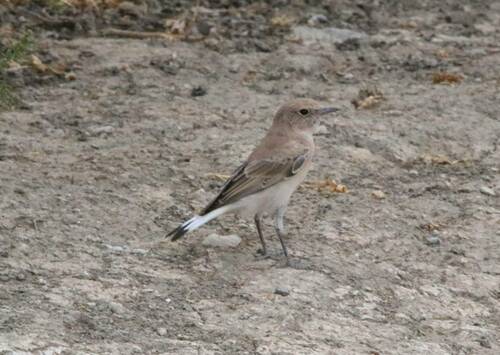 Monachella occidentale
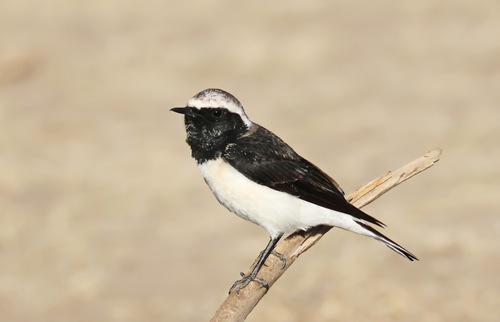 Monachella dorsonero
In breve
Il segno di campo più affidabile tra la Monachella occidentale e la Monachella dorsonero è il tono generale e il contrasto delle parti superiori e del motivo della testa nei maschi adulti: i maschi di Monachella occidentale hanno parti superiori con tonalità color crema e una maschera nera che si ferma alla base del becco, mentre i maschi di Monachella dorsonero sono più nettamente bianchi e neri con una corona bianca sfumata di marrone e una maschera nera che si estende fino alla gola. Le femmine e gli immaturi sono più difficili da distinguere, ma la Monachella occidentale è di un marrone più caldo nel complesso, mentre la Monachella dorsonero è più fredda, più scura e più piccola con meno bianco sul sopracciglio. In tutte le età, il motivo della coda è simile, ma esistono differenze sottili nell'estensione e nella forma del nero sulle penne della coda. In caso di dubbio, concentrati sul calore del piumaggio e sulla nitidezza del contrasto bianco e nero, specialmente nei maschi di primavera e estate.
Consigli di identificazione
- Male head pattern (breeding): I maschi di Monachella occidentale hanno una maschera nera che si ferma alla base del becco e non si estende sopra, mentre i maschi di Monachella dorsonero hanno una maschera nera che si fonde con la gola nera, creando un contrasto bianco e nero più esteso e nettamente definito. Questo è più affidabile in primavera e estate.
- Upperparts color (male): I maschi di Monachella occidentale mostrano parti superiori con tonalità color crema, dando un aspetto più morbido, meno nettamente bianco e nero. I maschi di Monachella dorsonero hanno una corona bianca sfumata di marrone e mantello/scapolari neri con punte color crema, rendendoli più nettamente disegnati.
- Throat and face (male): I maschi di Monachella occidentale con gola nera hanno meno nero sulla gola e sul viso, e il nero termina meno bruscamente rispetto alla Monachella dorsonero. I maschi di Monachella dorsonero hanno una gola e un viso neri solidi, nettamente distinti dalla corona bianca.
- Female/immature tone: Le femmine di Monachella occidentale sono di un marrone più caldo nel complesso, mentre le femmine di Monachella dorsonero sono di un marrone più freddo e scuro con sfumature color crema sulla testa e meno bianco sul sopracciglio. Questo calore/freddo è un separatore chiave negli uccelli più opachi.
- Tail pattern: Entrambi mostrano una coda bianca con il nero che forma una 'T' invertita, ma le penne esterne della coda della Monachella dorsonero hanno più nero alle punte, e la coppia centrale è nera con basi bianche. La coda della Monachella occidentale è più bianca, con il bianco sulle membrane interne che spesso raggiunge la punta e meno nero esteso.
- Rump and back: La Monachella occidentale di entrambi i sessi ha un dorso e un sopracciglio bianchi, spesso più estesi rispetto alla Monachella dorsonero, le cui femmine mostrano specialmente meno bianco qui.
- Wing color: I maschi di Monachella occidentale hanno ali più nere rispetto al Culbianco, ma le ali della Monachella dorsonero sono nere con punte e bordi color crema, specialmente nel piumaggio fresco.
- Juvenile pattern: I giovani di Monachella dorsonero sono macchiati sopra a causa dei centri chiari sulle penne marroni, mentre i giovani di Monachella occidentale sono di un marrone più caldo e meno distintamente marcati.
- Size: Le femmine di Monachella dorsonero sono leggermente più piccole, ma questa è una differenza sottile e di solito non utile sul campo.
- Habitat and range: In Europa occidentale, ci si aspetta di trovare la Monachella occidentale; la Monachella dorsonero è un raro vagabondo. Il contesto può aiutare, ma non è diagnostico da solo.
- Voice: La Monachella dorsonero emette un richiamo aspro 'zack zack' e una canzone variabile e musicale. Le vocalizzazioni della Monachella occidentale non sono descritte qui, quindi non fare affidamento sulla voce per la separazione.
- Seasonal change: I maschi di Monachella occidentale diventano più color crema sulla testa e sul mantello in autunno e inverno, mentre i maschi di Monachella dorsonero diventano più uniformemente marroni e bianchi man mano che le punte delle penne si consumano.
- Perched vs. flight views: Il motivo della coda è meglio visibile in volo o quando la coda è aperta. Il colore della testa e delle parti superiori è più affidabile quando l'uccello è posato e in buona luce.
- Potential pitfalls: Entrambi possono mostrare sopraccigli bianchi e motivi di coda simili; non fare affidamento solo sul sopracciglio. Le femmine e gli immaturi sono particolarmente difficili: concentrati sul calore/freddo complessivo e sull'estensione del bianco sul dorso inferiore.
Taglia
Entrambe le specie sono piccoli culbianchi e sono molto simili in dimensioni, con la Monachella dorsonero che misura circa 14–14.6 cm di lunghezza. Le femmine di Monachella dorsonero sono leggermente più piccole rispetto ai maschi, ma la differenza è minima e poco utile sul campo. Non sono descritte differenze strutturali significative in dimensione o forma tra queste due specie.
Piumaggio
-
Juvenile/First-year birds: I giovani di Monachella dorsonero sono marroni sopra con centri chiari vicino alle punte delle penne, dando un aspetto macchiato, mentre le femmine e gli immaturi di Monachella occidentale sono di un marrone più caldo e meno distintamente marcati. I giovani di Monachella dorsonero appaiono più freddi e di un marrone e bianco più uniforme man mano che invecchiano, con parti inferiori color crema.
-
Adult males (breeding): I maschi di Monachella occidentale hanno una corona e una fronte bianche o quasi bianche, un mantello color crema, ali più nere e una maschera nera che si ferma alla base del becco. Le loro parti inferiori sono bianche sfumate di crema, e il dorso, le copritrici superiori della coda e la maggior parte della coda sono bianchi. Gli individui con gola nera hanno meno nero sulla gola e sul viso, e il nero termina meno bruscamente rispetto alla Monachella dorsonero. I maschi di Monachella dorsonero sono più nettamente marcati: corona bianca sfumata di marrone, viso e gola neri, mantello e scapolari neri con punte color crema, dorso e sopracciglio color crema-bianco, e un contrasto bianco e nero più distintivo nel complesso.
-
Females: Le femmine di Monachella occidentale sono di un marrone più caldo, con un caratteristico dorso inferiore bianco e meno marcate variazioni stagionali. Le femmine di Monachella dorsonero sono più marroni con punte color crema, più piccole e mostrano meno bianco sul sopracciglio, con una sfumatura color crema sulla testa. Entrambe hanno code marroni e bianche, ma quella della Monachella dorsonero è di tonalità più fredda.
-
Tail pattern: Entrambe le specie hanno una coda bianca con marcature nere che formano una 'T' invertita, ma le penne esterne della coda della Monachella dorsonero hanno più nero alle punte e la coppia centrale è nera con basi bianche. La coda della Monachella occidentale è più bianca nel complesso, con il bianco sulle membrane interne che spesso raggiunge la punta, e il nero meno esteso.
Comportamento
Entrambe le specie sono culbianchi tipici: postura eretta, alimentazione a terra e spesso posano su rocce o pali bassi. I maschi di Monachella dorsonero possono cantare da un posatoio o in volo, specialmente all'inizio dell'estate e ad agosto. Non sono descritte differenze comportamentali significative utili per la separazione sul campo.
Habitat
La Monachella occidentale si trova generalmente nel sud Europa e nel Mediterraneo occidentale, mentre la Monachella dorsonero nidifica dal sud-est Europa attraverso l'Asia centrale ed è un raro vagabondo in Europa occidentale. Entrambe preferiscono habitat aperti, rocciosi e scarsamente vegetati, ma la Monachella dorsonero è più probabile trovarla nella steppa dell'Asia centrale o su colline rocciose, e la Monachella occidentale nel macchia mediterranea o su pendii rocciosi. In Europa occidentale, la Monachella dorsonero è molto più rara e sarebbe inaspettata al di fuori di un contesto di vagabondaggio.
Voce
Il richiamo della Monachella dorsonero è un aspro 'zack zack', e la sua canzone è a basso tono, musicale e variabile, a volte simile a quella di un allodola o fischiante, eseguita da un posatoio o in volo. Non sono notate differenze vocali distintive per la Monachella occidentale in queste fonti, quindi la voce non è un separatore affidabile qui.
Monachella occidentale · Monachella dorsonero · I miei uccelli difficili