

Wijntortel vs Zwartsnavelduif
Streptopelia vinacea versus Turtur abyssinicus
Speel een quiz met Wijntortel en Zwartsnavelduif
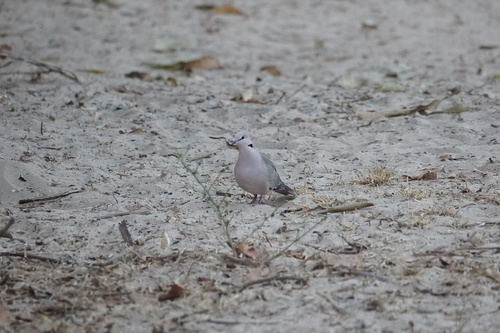 Wijntortel
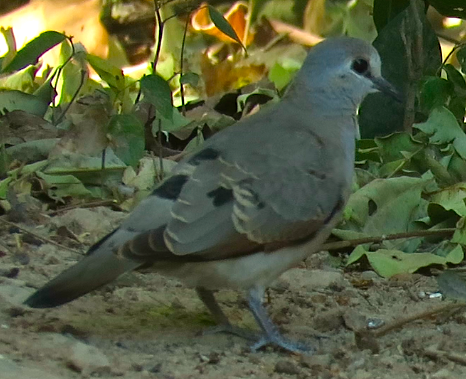 Zwartsnavelduif
Kort gezegd
Het meest betrouwbare veldkenmerk om de Wijntortel van de Zwartsnavelduif te scheiden, is de kleur van de ondervleugel in de vlucht: de Wijntortel toont een zwartachtige ondervleugel, terwijl de Zwartsnavelduif kastanjebruin flitst. Voor zittende vogels, let op de zwarte achterhalsvlek van de Wijntortel, omrand met wit, versus de blauwgrijze kroon en nek en de zwarte snavel van de Zwartsnavelduif. Juvenielen van beide zijn doffer, maar de onvolwassen Zwartsnavelduiven zijn schubachtig onder en missen de vleugelvlekken van de volwassen vogels. De Wijntortel is merkbaar groter en zwaarder, maar de grootte kan moeilijk te beoordelen zijn tenzij beide samen zijn. Beide soorten zijn vergelijkbaar in vorm en vluchtstijl, dus focus op het verenkleed en de snavelkleur voor een zekere scheiding.
Herkenningstips
- Kleur van de ondervleugel in de vlucht (alle leeftijden): De Wijntortel toont een zwartachtige ondervleugel; de Zwartsnavelduif flitst kastanjebruin. Dit is het meest betrouwbare kenmerk wanneer de vogels in de lucht zijn.
- Juveniele/onvolwassen verenkleed: Onvolwassen Zwartsnavelduiven zijn schubachtig onder en missen de vleugelvlekken van de volwassen vogels; juveniele Wijntortels zijn gewoon doffer, zonder schubachtige onderdelen.
- Halsvlek (zittend): De Wijntortel heeft een zwarte achterhalsvlek omrand met wit, zichtbaar van opzij of van achter; de Zwartsnavelduif mist elke halsvlek.
- Snavelkleur: De Zwartsnavelduif heeft een kenmerkende zwarte snavel; de snavel van de Wijntortel wordt niet beschreven als zwart en valt niet op.
- Kleur van de kroon en nek: De Zwartsnavelduif toont blauwgrijs op het voorhoofd, de kroon en de nek, vervagend naar witachtig op het gezicht; het hoofd van de Wijntortel is bleek roze-grijs.
- Bovenste delen en vleugelpatroon (zittend): De Wijntortel is bovenaan lichtbruin zonder metalen vlekken of zwartachtige banden; de Zwartsnavelduif heeft donkere metalen vlekken op de gevouwen vleugels en twee zwartachtige banden op de rug.
- Onderste delen: De Wijntortel is onderaan licht roze-grijs; de Zwartsnavelduif is rozeachtig, wordend witter op de buik.
- Pootkleur: De Wijntortel heeft rode poten; de pootkleur van de Zwartsnavelduif wordt niet als kenmerkend beschreven.
- Staartpatroon: De Wijntortel toont wit in de staart; de staart van de Zwartsnavelduif is lichtgrijsbruin, niet specifiek gemarkeerd.
- Grootte en structuur: De Wijntortel is veel groter en zwaarder (110g vs 66g, 26–30 cm vs 20 cm), maar wees voorzichtig met het beoordelen van de grootte in isolatie tenzij beide soorten samen zijn.
- Vluchtstijl: Beide hebben snelle, directe vluchten met regelmatige slagen en scherpe flitsen, dus vluchtstijl alleen scheidt ze niet.
- Stem: De roep van de Wijntortel is een snelle coo-cu-cu-coo; die van de Zwartsnavelduif is een meer muzikale, gefluit coo-coo-cu-coo. Gebruik met voorzichtigheid tenzij je beide kent.
- Habitat: Beide gebruiken vergelijkbare habitats (droog, open land, acacia), dus vertrouw niet op habitat voor scheiding.
- Sociaal gedrag: De Zwartsnavelduif is meer terrestrisch en vormt grote groepen bij waterplaatsen, maar anders kunnen beide alleen of in kleine groepen worden gezien.
- Valstrikken: Onvolwassen Zwartsnavelduiven zonder vleugelvlekken kunnen worden verward met de Wijntortel, maar de schubachtige onderdelen en de zwarte snavel blijven nuttig. Probeer altijd de ondervleugel in de vlucht te zien voor een snelle identificatie.
Grootte
De Wijntortel is aanzienlijk groter en zwaarder (lichaamsgewicht ~110g) dan de Zwartsnavelduif (~66g). De Wijntortel meet 26–30 cm in lengte, terwijl de Zwartsnavelduif ongeveer 20 cm is. In het veld lijkt de Wijntortel robuuster en steviger, maar wees voorzichtig dat alleenstaande vogels of die in slecht licht dit verschil subtiel kunnen maken. Als ze naast elkaar worden gezien, is het grootteverschil duidelijk.
Verenkleed
- Juveniele/onvolwassen vogels: Onvolwassen Zwartsnavelduiven zijn doffer dan volwassenen, met een schubachtige uitstraling onder en zonder de vleugelvlekken van de volwassenen. Juveniele Wijntortels zijn ook doffer dan volwassenen maar tonen geen schubachtige onderdelen of het ontbreken van vleugelvlekken.
- Ondervleugel in de vlucht (alle leeftijden): De Wijntortel toont een zwartachtige ondervleugel, terwijl de Zwartsnavelduif een kastanjebruine ondervleugel heeft. Dit is de snelste scheiding in de vlucht.
- Volwassen zittende vogels: De Wijntortel heeft een licht roze-grijs hoofd en onderdelen, een zwarte achterhalsvlek omrand met wit, en lichtbruine bovenste delen. De Zwartsnavelduif toont een blauwgrijze voorhoofd, kroon en nek, vervagend naar witachtig op het gezicht, met rozeachtige onderdelen en een wittere buik. De gevouwen vleugels van de Zwartsnavelduif hebben donkere metalen vlekken en twee zwartachtige banden op de rug, zonder de halsvlek van de Wijntortel.
Gedrag
Beide soorten hebben een snelle, directe vlucht met regelmatige vleugelslagen en af en toe scherpe flitsen, typisch voor duiven. De Zwartsnavelduif neigt ernaar lager bij de grond te blijven en is meer terrestrisch, vaak op de grond foeragerend en grote groepen vormend bij waterplaatsen, maar is verder niet erg sociaal. De vlucht van de Wijntortel is vergelijkbaar maar kan iets robuuster lijken vanwege zijn grootte. Beide soorten bouwen takkennesten in bomen, vaak acacia's.
Habitat
Beide soorten komen voor in het noorden van Sub-Sahara Afrika en geven de voorkeur aan droge, open habitats. De Wijntortel is wijdverspreid in het noorden van Sub-Sahara Afrika, terwijl de Zwartsnavelduif overvloedig voorkomt in bijna-woestijn, struikgewas en savanne net ten zuiden van de Sahara. Beide kunnen in vergelijkbare contexten worden gevonden, inclusief acacia-besprenkelde landschappen, dus alleen het habitat is niet diagnostisch.
Geluid
De Wijntortel geeft een snelle coo-cu-cu-coo, terwijl de roep van de Zwartsnavelduif een aanhoudende, gefluit coo-coo-cu-coo is. Het verschil is subtiel en kan moeilijk te beoordelen zijn zonder ervaring, maar de roep van de Zwartsnavelduif is muzikaler en gefluit, terwijl die van de Wijntortel sneller en minder melodieus is.