

Vinaceous Dove vs Black-billed Wood-Dove
Streptopelia vinacea contro Turtur abyssinicus
Fai un quiz con Vinaceous Dove e Black-billed Wood-Dove
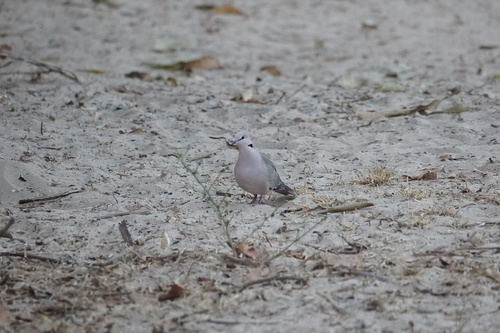 Vinaceous Dove
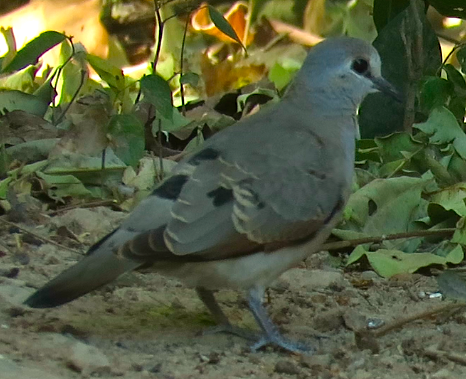 Black-billed Wood-Dove
In breve
Il segno di campo più affidabile per separare la Vinaceous Dove dalla Black-billed Wood-Dove è il colore dell'ala inferiore in volo: la Vinaceous Dove mostra un'ala inferiore nerastra, mentre la Black-billed Wood-Dove lampeggia castano. Per gli uccelli posati, cerca la macchia nera sul collo posteriore della Vinaceous Dove bordata di bianco, rispetto alla corona e alla nuca bluastro-grigia e al becco nero della Wood-Dove. I giovani di entrambi sono più opachi, ma gli immaturi della Wood-Dove sono squamosi sotto e mancano delle macchie sulle ali degli adulti. La Vinaceous Dove è notevolmente più grande e pesante, ma la dimensione può essere difficile da giudicare a meno che entrambi non siano insieme. Entrambe le specie sono simili nella forma e nello stile di volo, quindi concentrati sul piumaggio e sul colore del becco per una separazione sicura.
Consigli di identificazione
- Colore dell'ala inferiore in volo (tutte le età): La Vinaceous Dove mostra un'ala inferiore nerastra; la Black-billed Wood-Dove lampeggia castano. Questo è il segno più affidabile quando gli uccelli sono in volo.
- Piumaggio giovanile/immaturo: Gli immaturi della Black-billed Wood-Dove sono squamosi sotto e mancano delle macchie sulle ali degli adulti; i giovani della Vinaceous Dove sono semplicemente più opachi nel complesso, senza parti inferiori squamose.
- Macchia sul collo (posato): La Vinaceous Dove ha una macchia nera sul collo posteriore bordata di bianco, visibile di lato o da dietro; la Black-billed Wood-Dove non ha alcuna macchia sul collo.
- Colore del becco: La Black-billed Wood-Dove ha un becco nero distintivo; il becco della Vinaceous Dove non è descritto come nero e non si distingue.
- Colore della corona e della nuca: La Black-billed Wood-Dove mostra bluastro-grigio sulla fronte, sulla corona e sulla nuca, sfumando in bianco sul viso; la testa della Vinaceous Dove è di un grigio-rosato chiaro.
- Parte superiore e modello delle ali (posato): La Vinaceous Dove è di un marrone chiaro sopra senza macchie metalliche o bande nerastre; la Black-billed Wood-Dove ha macchie metalliche scure sulle ali ripiegate e due bande nerastre sulla schiena.
- Parte inferiore: La Vinaceous Dove è di un grigio-rosato chiaro sotto; la Black-billed Wood-Dove è rosata, diventando più bianca sul ventre.
- Colore delle gambe: La Vinaceous Dove ha gambe rosse; il colore delle gambe della Black-billed Wood-Dove non è descritto come distintivo.
- Modello della coda: La Vinaceous Dove mostra bianco nella coda; la coda della Black-billed Wood-Dove è di un grigio marrone chiaro, non specificamente marcata.
- Dimensione e struttura: La Vinaceous Dove è molto più grande e pesante (110g vs 66g, 26–30 cm vs 20 cm), ma fai attenzione a giudicare la dimensione in isolamento a meno che entrambe le specie non siano insieme.
- Stile di volo: Entrambe hanno voli rapidi e diretti con battiti regolari e scatti acuti, quindi lo stile di volo da solo non le separa.
- Voce: Il richiamo della Vinaceous Dove è un veloce coo-cu-cu-coo; quello della Black-billed Wood-Dove è un coo-coo-cu-coo più musicale e flautato. Usa cautela a meno che non sia familiare con entrambe.
- Habitat: Entrambe utilizzano habitat simili (paesaggi asciutti e aperti, acacia), quindi non fare affidamento sull'habitat per la separazione.
- Comportamento sociale: La Black-billed Wood-Dove è più terrestre e forma grandi stormi nei punti d'acqua, ma altrimenti entrambe possono essere viste singolarmente o in piccoli gruppi.
- Trappole: Gli immaturi della Black-billed Wood-Dove privi di macchie sulle ali possono essere confusi con la Vinaceous Dove, ma le parti inferiori squamose e il becco nero rimangono utili. Prova sempre a vedere l'ala inferiore in volo per un'identificazione rapida.
Taglia
La Vinaceous Dove è significativamente più grande e pesante (massa corporea ~110g) rispetto alla Black-billed Wood-Dove (~66g). La Vinaceous Dove misura 26–30 cm di lunghezza, mentre la Black-billed Wood-Dove è di circa 20 cm. Sul campo, la Vinaceous Dove appare più robusta e massiccia, ma fai attenzione che gli uccelli solitari o quelli in scarsa luce possono rendere questa differenza sottile. Se visti fianco a fianco, il divario di dimensione è ovvio.
Piumaggio
- Uccelli giovanili/immaturi: Gli immaturi della Black-billed Wood-Dove sono più opachi degli adulti, con un aspetto squamoso sotto e privi delle macchie sulle ali degli adulti. I giovani della Vinaceous Dove sono anch'essi più opachi degli adulti ma non mostrano le parti inferiori squamose o l'assenza di macchie sulle ali.
- Ala inferiore in volo (tutte le età): La Vinaceous Dove mostra un'ala inferiore nerastra, mentre la Black-billed Wood-Dove ha un'ala inferiore castana. Questa è la separazione più rapida in volo.
- Uccelli adulti posati: La Vinaceous Dove ha una testa e parti inferiori di un grigio-rosato chiaro, una macchia nera sul collo posteriore bordata di bianco e parti superiori di un marrone chiaro. La Black-billed Wood-Dove mostra una fronte, una corona e una nuca bluastro-grigia, sfumando in bianco sul viso, con parti inferiori rosate e un ventre più bianco. Le ali ripiegate della Wood-Dove hanno macchie metalliche scure e due bande nerastre sulla schiena, mancando della macchia sul collo della Vinaceous Dove.
Comportamento
Entrambe le specie hanno un volo rapido e diretto con battiti regolari delle ali e occasionali scatti acuti, tipici dei piccioni. La Black-billed Wood-Dove tende a rimanere più bassa a terra ed è più terrestre, spesso foraggiando a terra e formando grandi stormi nei punti d'acqua, ma altrimenti non è molto gregaria. Il volo della Vinaceous Dove è simile ma può apparire leggermente più robusto a causa della sua dimensione. Entrambe le specie costruiscono nidi di rami sugli alberi, spesso acacie.
Habitat
Entrambe le specie si trovano nell'Africa settentrionale sub-sahariana e favoriscono habitat asciutti e aperti. La Vinaceous Dove è ampiamente residente nell'Africa settentrionale sub-sahariana, mentre la Black-billed Wood-Dove è abbondante in prossimità del deserto, nella macchia e nella savana appena a sud del Sahara. Entrambe possono essere trovate in contesti simili, inclusi paesaggi punteggiati di acacia, quindi l'habitat da solo non è diagnostico.
Voce
La Vinaceous Dove emette un veloce coo-cu-cu-coo, mentre il richiamo della Black-billed Wood-Dove è un coo-coo-cu-coo persistente e flautato. La differenza è sottile e può essere difficile da giudicare senza esperienza, ma il richiamo della Wood-Dove è più musicale e flautato, mentre quello della Vinaceous Dove è più veloce e meno melodioso.
Vinaceous Dove · Black-billed Wood-Dove · I miei uccelli difficili