

Motmot

ウスアフリカジュズカケバト 対 ハシグロアオフバト

Streptopelia vinacea 対 Turtur abyssinicus

ウスアフリカジュズカケバトとハシグロアオフバトのクイズ
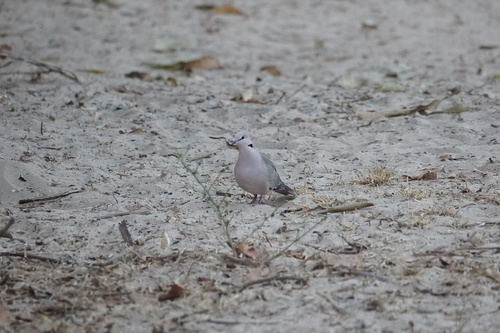
ウスアフリカジュズカケバト (Streptopelia vinacea) ウスアフリカジュズカケバト
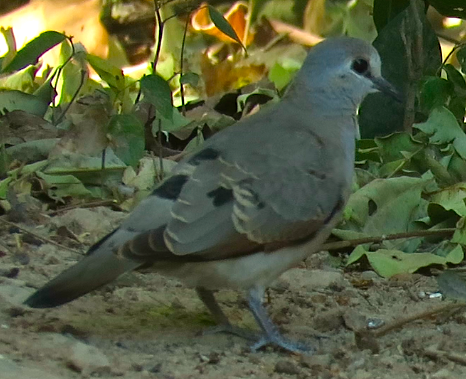
ハシグロアオフバト (Turtur abyssinicus) ハシグロアオフバト

メディア

読み込み中…

要点

ウスアフリカジュズカケバトとハシグロアオフバトを区別する最も信頼できるフィールドマークは、飛行中のアンダーウィングの色です:ウスアフリカジュズカケバトは黒っぽいアンダーウィングを示し、ハシグロアオフバトは栗色を見せます。止まっている鳥を見分けるには、ウスアフリカジュズカケバトの白い縁取りのある黒い後頸部の斑点と、ハシグロアオフバトの青灰色の頭冠と後頸部、黒いくちばしを探してください。両者の幼鳥は鈍い色合いですが、ハシグロアオフバトの幼鳥は腹部が鱗状で、成鳥の翼の斑点が欠けています。ウスアフリカジュズカケバトは明らかに大きくて重いですが、両者が一緒でないとサイズを判断するのは難しいです。両種は形状と飛行スタイルが似ているため、確実に区別するには羽毛とくちばしの色に注目してください。

識別のコツ

  1. Underwing color in flight (all ages): ウスアフリカジュズカケバトは黒っぽいアンダーウィングを示し、ハシグロアオフバトは栗色を見せます。これは、鳥が空中にいるときの最も信頼できるマークです。
  2. Juvenile/immature plumage: 幼鳥のハシグロアオフバトは腹部が鱗状で、成鳥の翼の斑点が欠けています;ウスアフリカジュズカケバトの幼鳥は全体的に鈍い色合いで、鱗状の腹部はありません。
  3. Neck patch (perched): ウスアフリカジュズカケバトは白い縁取りのある黒い後頸部の斑点を持ち、側面または後ろから見ることができます;ハシグロアオフバトには首の斑点がありません。
  4. Bill color: ハシグロアオフバトは特徴的な黒いくちばしを持っています;ウスアフリカジュズカケバトのくちばしは黒とは記述されておらず、目立ちません。
  5. Crown and nape color: ハシグロアオフバトは額、頭冠、後頸部に青灰色を示し、顔は白っぽくなります;ウスアフリカジュズカケバトの頭は淡いピンク灰色です。
  6. Upperparts and wing pattern (perched): ウスアフリカジュズカケバトは上面が淡い茶色で、金属的な斑点や黒っぽい帯はありません;ハシグロアオフバトは折りたたまれた翼に暗い金属的な斑点と背中に2つの黒っぽい帯があります。
  7. Underparts: ウスアフリカジュズカケバトは腹部が淡いピンク灰色です;ハシグロアオフバトはピンクがかり、腹部は白っぽくなります。
  8. Leg color: ウスアフリカジュズカケバトは赤い脚を持っています;ハシグロアオフバトの脚の色は特徴的とは記述されていません。
  9. Tail pattern: ウスアフリカジュズカケバトは尾に白を示します;ハシグロアオフバトの尾は淡い灰色の茶色で、特に印がありません。
  10. Size and structure: ウスアフリカジュズカケバトははるかに大きくて重い(110g対66g、26–30 cm対20 cm)ですが、両種が一緒でないとサイズを単独で判断するのは注意が必要です。
  11. Flight style: 両者は速く、直接的な飛行を持ち、規則的な羽ばたきと鋭いフリックを伴いますので、飛行スタイルだけでは区別できません。
  12. Voice: ウスアフリカジュズカケバトの鳴き声は速いクー・クー・クー・クーで、ハシグロアオフバトの鳴き声はより音楽的でフルートのようなクー・クー・クー・クーです。両者に慣れていない限り注意して使用してください。
  13. Habitat: 両者は似たような生息地(乾燥した開けた国、アカシア)を利用するため、生息地だけで区別することはできません。
  14. Social behavior: ハシグロアオフバトはより地上性で、水場で大きな群れを形成しますが、その他は両者とも単独または小さな群れで見られます。
  15. Pitfalls: 翼の斑点が欠けた幼鳥のハシグロアオフバトはウスアフリカジュズカケバトと混同されることがありますが、鱗状の腹部と黒いくちばしは役立ちます。迅速な識別のために、飛行中のアンダーウィングを常に見るようにしてください。

大きさ

ウスアフリカジュズカケバトはハシグロアオフバトよりも明らかに大きくて重い(体重約110g対66g)。ウスアフリカジュズカケバトは26–30 cmの長さで、ハシグロアオフバトは約20 cmです。フィールドでは、ウスアフリカジュズカケバトはより大きくて頑丈に見えますが、単独の鳥や暗い光の中ではこの違いが微妙に見えることがあります。並んで見ると、サイズの差は明らかです。

羽色

行動

両種は規則的な羽ばたきと時折の鋭いフリックを伴う速く直接的な飛行を持ち、鳩の典型的な特徴です。ハシグロアオフバトは地面に近く留まる傾向があり、より地上性で、しばしば地面で餌を探し、水場で大きな群れを形成しますが、その他はあまり群れを作りません。ウスアフリカジュズカケバトの飛行は似ていますが、サイズのためにやや頑丈に見えることがあります。両種は木に枝の巣を作り、しばしばアカシアを利用します。

生息環境

両種はサハラ以南の北部アフリカ全域に生息し、乾燥した開けた生息地を好みます。ウスアフリカジュズカケバトは北部サハラ以南のアフリカ全域に広く生息しており、ハシグロアオフバトはサハラのすぐ南にある近くの砂漠、低木、サバンナに豊富です。両者はアカシアが点在する風景など、似たような環境で見られることがあるため、生息地だけでは診断できません。

声

ウスアフリカジュズカケバトは速いクー・クー・クー・クーを出し、ハシグロアオフバトの鳴き声は持続的でフルートのようなクー・クー・クー・クーです。違いは微妙で、経験がないと判断が難しいかもしれませんが、ハシグロアオフバトの鳴き声はより音楽的でフルートのようであり、ウスアフリカジュズカケバトの鳴き声は速く、あまりメロディックではありません。

より良い説明を送る

比較と同じ項目を使ってください。文章はすぐに公開されます。

The most reliable field mark to separate Vinaceous Dove from Black-billed Wood-Dove is the underwing color in flight: Vinaceous Dove shows a blackish underwing, while Black-billed Wood-Dove flashes chestnut. For perched birds, look for the Vinaceous Dove’s black hind-neck patch edged with white, versus the Wood-Dove’s bluish-grey crown and nape and black bill. Juveniles of both are duller, but the Wood-Dove’s immatures are scaly below and lack the adult’s wing spots. Vinaceous Dove is noticeably larger and heavier, but size can be hard to judge unless both are together. Both species are similar in shape and flight style, so focus on plumage and bill color for confident separation.

  1. Underwing color in flight (all ages): Vinaceous Dove shows a blackish underwing; Black-billed Wood-Dove flashes chestnut. This is the most reliable mark when birds are airborne.
  2. Juvenile/immature plumage: Immature Black-billed Wood-Doves are scaly below and lack the adult’s wing spots; Vinaceous Dove juveniles are just duller overall, without scaly underparts.
  3. Neck patch (perched): Vinaceous Dove has a black hind-neck patch edged with white, visible from the side or rear; Black-billed Wood-Dove lacks any neck patch.
  4. Bill color: Black-billed Wood-Dove has a distinctive black bill; Vinaceous Dove’s bill is not described as black and does not stand out.
  5. Crown and nape color: Black-billed Wood-Dove shows bluish-grey on the forehead, crown, and nape, fading to whitish on the face; Vinaceous Dove’s head is pale pinkish-grey.
  6. Upperparts and wing pattern (perched): Vinaceous Dove is pale brown above with no metallic patches or blackish bands; Black-billed Wood-Dove has dark metallic patches on the folded wings and two blackish bands on the back.
  7. Underparts: Vinaceous Dove is pale pinkish-grey below; Black-billed Wood-Dove is pinkish, becoming whiter on the belly.
  8. Leg color: Vinaceous Dove has red legs; Black-billed Wood-Dove’s leg color is not described as distinctive.
  9. Tail pattern: Vinaceous Dove shows white in the tail; Black-billed Wood-Dove’s tail is pale grey brown, not specifically marked.
  10. Size and structure: Vinaceous Dove is much larger and heavier (110g vs 66g, 26–30 cm vs 20 cm), but beware of judging size in isolation unless both species are together.
  11. Flight style: Both have quick, direct flights with regular beats and sharp flicks, so flight style alone does not separate them.
  12. Voice: Vinaceous Dove’s call is a fast coo-cu-cu-coo; Black-billed Wood-Dove’s is a more musical, fluted coo-coo-cu-coo. Use with caution unless familiar with both.
  13. Habitat: Both use similar habitats (dry, open country, acacia), so do not rely on habitat for separation.
  14. Social behavior: Black-billed Wood-Dove is more terrestrial and forms large flocks at waterholes, but otherwise both can be seen singly or in small groups.
  15. Pitfalls: Immature Black-billed Wood-Doves lacking wing spots can be confused with Vinaceous Dove, but the scaly underparts and black bill remain helpful. Always try to see the underwing in flight for a quick ID.

Vinaceous Dove is significantly larger and heavier (body mass ~110g) than Black-billed Wood-Dove (~66g). Vinaceous Dove measures 26–30 cm in length, while Black-billed Wood-Dove is about 20 cm. In the field, Vinaceous Dove appears bulkier and more robust, but beware that lone birds or those in poor light may make this difference subtle. If seen side by side, the size gap is obvious.

  • Juvenile/immature birds: Black-billed Wood-Dove immatures are duller than adults, with a scaly appearance below and lacking the adult’s wing spots. Vinaceous Dove juveniles are also duller than adults but do not show the scaly underparts or the absence of wing spots.
  • Underwing in flight (all ages): Vinaceous Dove shows a blackish underwing, while Black-billed Wood-Dove has a chestnut underwing. This is the quickest separation in flight.
  • Adult perched birds: Vinaceous Dove has a pale pinkish-grey head and underparts, a black hind-neck patch edged with white, and pale brown upperparts. Black-billed Wood-Dove shows a bluish-grey forehead, crown, and nape, fading to whitish on the face, with pinkish underparts and whiter belly. The Wood-Dove’s folded wings have dark metallic patches and two blackish bands on the back, lacking the Vinaceous Dove’s neck patch.

Both species have a quick, direct flight with regular wingbeats and occasional sharp flicks, typical of pigeons. Black-billed Wood-Dove tends to stay lower to the ground and is more terrestrial, often foraging on the ground and forming large flocks at waterholes, but is otherwise not very gregarious. Vinaceous Dove’s flight is similar but may appear slightly more robust due to its size. Both species build stick nests in trees, often acacias.

Both species occur across northern Sub-Saharan Africa and favor dry, open habitats. Vinaceous Dove is widely resident across northern Sub-Saharan Africa, while Black-billed Wood-Dove is abundant in near-desert, scrub, and savannah just south of the Sahara. Both may be found in similar contexts, including acacia-dotted landscapes, so habitat alone is not diagnostic.

Vinaceous Dove gives a fast coo-cu-cu-coo, while Black-billed Wood-Dove’s call is a persistent, fluted coo-coo-cu-coo. The difference is subtle and may be hard to judge without experience, but the Wood-Dove’s call is more musical and fluted, while Vinaceous Dove’s is faster and less melodious.

変更を破棄しますか?

保存していない編集があります。今離れると失われます。

ウスアフリカジュズカケバト · ハシグロアオフバト · 苦手な鳥