

Driestrepentiran vs Goudkruintiran
Conopias trivirgatus versus Myiodynastes chrysocephalus
Speel een quiz met Driestrepentiran en Goudkruintiran
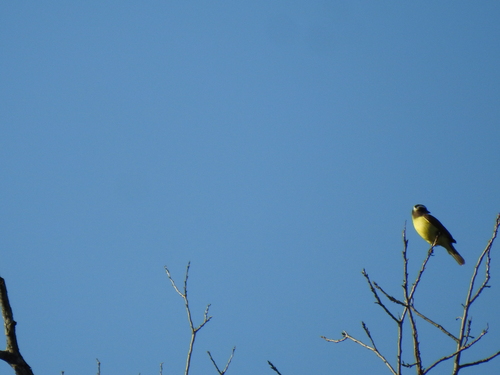 Driestrepentiran
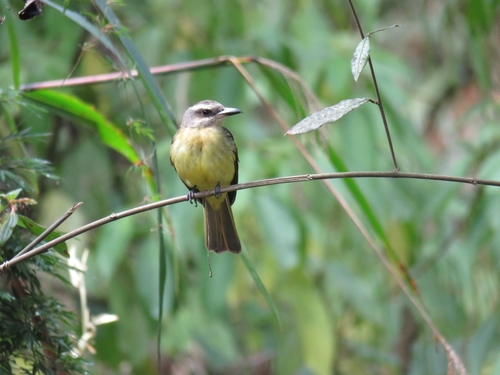 Goudkruintiran
Kort gezegd
Het meest betrouwbare veldkenmerk tussen Driestrepentiran en Goudkruintiran is de grootte: Goudkruintiran is veel groter en robuuster, met een stevigere snavel en een langer lichaam. Driestrepentiran is opmerkelijk kleiner, slanker en delicater in het algemeen. In het verenkleed toont Driestrepentiran een continue witte supercilium die rond de nek wikkelt en een schone, heldere gele onderzijde, terwijl Goudkruintiran een verborgen gele kroonvlek heeft (zeldzaam zichtbaar), een witte supercilium die de nek niet wikkelt, en buffy-gele onderdelen met olijfstrepen op de borst. Beide soorten hebben donkere vleugels en staarten met bleke of roestkleurige randen, maar de vleugels en staart van Goudkruintiran tonen meer roesttinten. Structuur en algemene indruk zijn vaak net zo nuttig als het verenkleed voor het scheiden van deze twee, vooral bij slecht licht of op afstand.
Herkenningstips
- Grootte is de snelste scheider: Goudkruintiran is veel groter en robuuster dan Driestrepentiran. Gebruik dit wanneer je een goed gevoel voor schaal hebt of beide soorten in hetzelfde gebied ziet; wees voorzichtig met alleenstaande vogels in slechte omstandigheden.
- Snavelvorm: Driestrepentiran heeft een lange, dunne, bijna delicate zwartachtige snavel; de snavel van Goudkruintiran is merkbaar steviger en robuuster. Dit is het beste te zien in profiel of wanneer de vogel roept.
- Supercilium patroon: Driestrepentiran toont een opvallende witte supercilium die van de lores rond de nek wikkelt, waardoor een 'halo'-effect ontstaat. De supercilium van Goudkruintiran is lang maar wikkelt de nek niet—let op dit verschil bij gezeten vogels.
- Kroon kleur: Driestrepentiran heeft een donkere bruine kroon zonder gele vlek. De kroon van Goudkruintiran is bruinachtig grijs tot donker, maar met een verborgen gouden gele vlek in het midden, zelden zichtbaar tenzij de veren zijn opgeheven.
- Gezicht patroon: Het gezicht van Driestrepentiran is donkerbruin, vermengd met de kroon, met de witte supercilium die opvalt. Het gezicht van Goudkruintiran is voornamelijk grijsachtig donker met een lange witte supercilium maar mist het wikkelende effect.
- Bovenste delen: Beide zijn olijfkleurig boven, maar Driestrepentiran is over het algemeen bleker. De staart en de bovenstaartdekken van Goudkruintiran zijn meer groenachtig olijf, soms met kaneel of buffy randen—subtiel maar zichtbaar in goed licht.
- Vleugel- en staartranden: De vleugels van Driestrepentiran zijn donker met vage bleke tips/randen, nooit roestkleurig. De vleugels en staart van Goudkruintiran hebben dunne roestkleurige tot buffy-randen, vooral op de dekken en vluchtveren; let op een warmere, kleurrijkere indruk bij Goudkruintiran.
- Onderste kleur: Driestrepentiran is helder citroengeel onder met een vage olijfkleurige tint op de borst (of geen in sommige ondersoorten). Goudkruintiran is bleekgeel onder, maar de kin is wit, de keel is bleek buffy, en de borst is buffy geel met een vage doorschijnendheid van bleek grijsachtig olijf en olijfstrepen aan de zijkanten—wat een meer gepattern en minder schone uitstraling geeft.
- Borsten patroon: Alleen Goudkruintiran toont olijfstrepen aan de zijkanten van de borst en een vage olijfkleurige doorschijnendheid in het midden; de borst van Driestrepentiran is veel schoner.
- Staartkleur: De staart van Driestrepentiran is donker met weinig contrast; de staart van Goudkruintiran is donker met enkele roestkleurige randen, vooral zichtbaar in goed licht of wanneer deze is opgefanned.
- Poot- en iris kleur: Beide hebben zwartachtige poten en donkere irissen; niet nuttig voor scheiding.
- Geslachten: Beide soorten zijn seksueel monomorf—gebruik geslacht niet als scheider.
- Jong/immatuur kenmerken: Er zijn geen sterke leeftijdspecifieke vleugel- of staartpanelen beschreven voor beide soorten; focus op de algehele structuur en het verenkleed.
- Habitat en verspreiding: Beide kunnen in dezelfde landen voorkomen, maar Driestrepentiran is wijdverspreider. Vertrouw niet alleen op verspreiding voor scheiding in gebieden van overlap.
- Gedrag/impressie: Goudkruintiran zal zwaarder, langzamer, en robuuster lijken in de vlucht of wanneer hij zit; Driestrepentiran is kleiner en wendbaarder. Gebruik dit in combinatie met verenkleedkenmerken voor de beste resultaten.
Grootte
Goudkruintiran is aanzienlijk groter (18,5–22 cm) en zwaarder (37–40 g) dan Driestrepentiran (13,5–14,5 cm; gewicht niet gegeven maar veel lichter naar verhouding) [wikipedia]. Het verschil is duidelijk in het veld: Goudkruintiran lijkt robuust en met een groot hoofd, met een dikke, sterke snavel, terwijl Driestrepentiran klein, slank en met een fijne snavel lijkt. Wanneer ze samen worden gezien, is de grootte alleen meestal diagnostisch.
Verenkleed
- Jong/immatuur vleugelpatroon: Er zijn geen leeftijdspecifieke vleugelpanelen of contrasterende kenmerken beschreven voor beide soorten; beide hebben donkere vleugels met bleke of roestkleurige randen, maar de vleugels van Goudkruintiran zijn roestkleuriger/tawny-buff, terwijl die van Driestrepentiran vaag bleker getipt of gerand zijn, nooit roestkleurig. Dit verschil is subtiel en het beste te zien in goed licht.
- Hoofdpatroon: Driestrepentiran heeft een kenmerkende witte supercilium die begint bij de lores en rond de nek wikkelt, waardoor een sterk 'driestrepent' effect ontstaat met de donkere kroon en het gezicht. Goudkruintiran heeft een lange witte supercilium maar deze wikkelt de nek niet; zijn kroon is bruinachtig grijs tot donker met een verborgen goudgele vlek (meestal niet zichtbaar in het veld).
- Bovenste delen: Beide zijn olijfkleurig boven, maar Driestrepentiran is bleker olijf, terwijl Goudkruintiran dof olijf is met een groenachtige olijfstaart en bovenstaartdekken, soms met kaneel/buffy randen.
- Vleugels en staart: Driestrepentiran heeft donkere vleugels met vage bleke tips/randen en een donkere staart; de vleugels en staart van Goudkruintiran zijn donker met dunne roestkleurige/tawny-buff randen, vooral op de dekken en vluchtveren, en enige roestkleur op de staartveren.
- Onderste delen: Driestrepentiran is helder citroengeel onder met alleen een vage olijfkleurige tint op de borst (of geen in sommige ondersoorten); Goudkruintiran is bleekgeel onder, maar de kin is wit, de keel is bleek buffy, de borst is buffy geel met een vage doorschijnendheid van bleek grijsachtig olijf en olijfstrepen aan de zijkanten. Dit geeft Goudkruintiran een meer gepattern, minder schone uitstraling onder.
- Snavel en iris: Driestrepentiran heeft een lange, dunne, zwartachtige snavel; de snavel van Goudkruintiran is steviger en zwart. Beide hebben donkere irissen.
Gedrag
Gedrag is niet in detail beschreven voor beide soorten in de gegeven notities. Beide zijn typische tyrant flycatchers en kunnen opvallend zitten, maar de grotere grootte en zwaardere bouw van Goudkruintiran kunnen het een meer doordachte, minder wendbare uitstraling geven in vergelijking met de fijnere Driestrepentiran. In de vlucht zal Goudkruintiran er robuuster en langerstaart uitzien, terwijl Driestrepentiran compacter en lichter zou moeten lijken.
Habitat
Beide soorten overlappen in Argentinië, Bolivia en Peru, maar Driestrepentiran heeft een veel breder verspreidingsgebied, dat zich uitstrekt tot Brazilië, Ecuador, Paraguay en Venezuela. Er zijn geen habitatvoorkeuren beschreven in de notities, dus habitat is niet een betrouwbare scheider op basis van deze informatie alleen.