

Three-striped Flycatcher vs Golden-crowned Flycatcher
Conopias trivirgatus contro Myiodynastes chrysocephalus
Fai un quiz con Three-striped Flycatcher e Golden-crowned Flycatcher
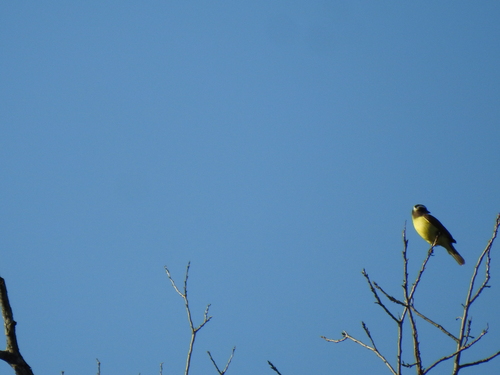 Three-striped Flycatcher
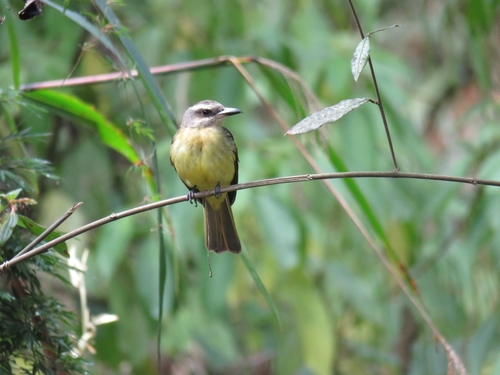 Golden-crowned Flycatcher
In breve
Il segno di campo più affidabile tra il Three-striped Flycatcher e il Golden-crowned Flycatcher è la dimensione: il Golden-crowned è molto più grande e massiccio, con un becco più robusto e un corpo più lungo. Il Three-striped Flycatcher è notevolmente più piccolo, più snello e più delicato nel complesso. Nel piumaggio, il Three-striped mostra un supercilio bianco continuo che avvolge la nuca e un ventre pulito e giallo brillante, mentre il Golden-crowned ha una macchia di corona gialla nascosta (raramente visibile), un supercilio bianco che non avvolge la nuca e parti inferiori giallo-buffy con striature olivastre sul petto. Entrambe le specie hanno ali e code scure con bordi pallidi o rufous, ma le ali e la coda del Golden-crowned mostrano toni più rufous. La struttura e l'aspetto generale sono spesso utili quanto il piumaggio per separare questi due, specialmente in condizioni di scarsa illuminazione o a distanza.
Consigli di identificazione
- Size is the fastest separator: Il Golden-crowned Flycatcher è molto più grande e massiccio del Three-striped. Usa questo quando hai una buona percezione della scala o vedi entrambe le specie nella stessa area; fai attenzione agli uccelli solitari in condizioni scadenti.
- Bill shape: Il Three-striped ha un becco lungo, sottile e quasi delicato; il becco del Golden-crowned è notevolmente più robusto e robusto. Questo è meglio visibile di profilo o quando l'uccello sta cantando.
- Supercilium pattern: Il Three-striped mostra un supercilio bianco sorprendente che avvolge dalle lore attorno alla nuca, creando un effetto 'alato'. Il supercilio del Golden-crowned è lungo ma non avvolge la nuca—cerca questa differenza negli uccelli in perche.
- Crown color: Il Three-striped ha una corona marrone scuro senza macchia gialla. La corona del Golden-crowned è grigio-brunastra a scura, ma con una macchia giallo-oro nascosta al centro, raramente visibile a meno che le piume non siano sollevate.
- Face pattern: Il volto del Three-striped è marrone scuro, che si fonde con la corona, con il supercilio bianco che spicca. Il volto del Golden-crowned è per lo più grigio scuro con un lungo supercilio bianco ma manca dell'effetto avvolgente.
- Upperparts: Entrambi sono olivacei sopra, ma il Three-striped è più chiaro nel complesso. Il coda e le copritrici superiori del Golden-crowned sono più olivastre verdastre, a volte con bordi cannella o buffy—sottile ma visibile in buona luce.
- Wing and tail edging: Le ali del Three-striped sono scure con punte/bordi pallidi deboli, mai rufous. Le ali e la coda del Golden-crowned hanno bordi rufous a buffy-tawny sottili, specialmente sulle copritrici e sulle piume di volo; cerca un'impressione più calda e colorata nel Golden-crowned.
- Underparts color: Il Three-striped è giallo limone brillante sotto con una leggera sfumatura olivastra sul petto (o nessuna in alcune sottospecie). Il Golden-crowned è giallo pallido sotto, ma il mento è bianco, la gola è pallida buffy, e il petto è giallo buffy con una sfumatura nuvolosa di pallido grigio oliva e striature olivastre sui lati—dando un aspetto più patternato e meno pulito.
- Breast pattern: Solo il Golden-crowned mostra striature olivastre sui lati del petto e una sfumatura olivastra nuvolosa al centro; il petto del Three-striped è molto più pulito.
- Tail color: La coda del Three-striped è scura con poco contrasto; la coda del Golden-crowned è scura con alcuni bordi rufous, specialmente visibili in buona luce o quando è aperta.
- Leg and iris color: Entrambi hanno gambe nere e iridi scure; non utili per la separazione.
- Sexes: Entrambe le specie sono sessualmente monomorfiche—non usare il sesso come separatore.
- Juvenile/immature marks: Non sono descritti forti pannelli o segni specifici per l'età per nessuna delle due specie; concentrati sulla struttura generale e sul piumaggio.
- Habitat and range: Entrambi possono verificarsi negli stessi paesi, ma il Three-striped è più diffuso. Non fare affidamento solo sull'areale per la separazione nelle aree di sovrapposizione.
- Behavior/jizz: Il Golden-crowned apparirà più pesante, più lento e più robusto in volo o quando è in perche; il Three-striped è più piccolo e agile. Usa questo in combinazione con i segni del piumaggio per i migliori risultati.
Taglia
Il Golden-crowned Flycatcher è sostanzialmente più grande (18.5–22 cm) e più pesante (37–40 g) del Three-striped Flycatcher (13.5–14.5 cm; peso non fornito ma molto più leggero in proporzione) [wikipedia]. La differenza è ovvia sul campo: il Golden-crowned appare robusto e con una testa grande, con un becco spesso e forte, mentre il Three-striped appare piccolo, snello e con un becco fine. Se visti insieme, la dimensione da sola è solitamente diagnostica.
Piumaggio
- Juvenile/immature wing pattern: Non sono descritti pannelli o segni contrastanti specifici per l'età per nessuna delle due specie; entrambe hanno ali scure con bordi pallidi o rufous, ma quelle del Golden-crowned sono più rufous/tawny-buff, mentre quelle del Three-striped sono leggermente più chiare alle punte o ai bordi, mai rufous. Questa differenza è sottile e meglio visibile in buona luce.
- Head pattern: Il Three-striped Flycatcher ha un supercilio bianco distintivo che inizia dalle lore e avvolge la nuca, creando un forte effetto 'tre-strisce' con la corona e il volto scuri. Il Golden-crowned ha un lungo supercilio bianco ma non avvolge la nuca; la sua corona è grigio-brunastra a scura con una macchia giallo-oro nascosta (di solito non visibile sul campo).
- Upperparts: Entrambi sono olivacei sopra, ma il Three-striped è un olivaceo più chiaro, mentre il Golden-crowned è un olivaceo opaco con un coda e copritrici superiori olivastre verdastre, a volte con bordi cannella/buffy.
- Wings and tail: Il Three-striped ha ali scure con punte/bordi pallidi deboli e una coda scura; le ali e la coda del Golden-crowned sono scure con bordi sottili rufous/tawny-buff, specialmente sulle copritrici e sulle piume di volo, e alcuni rufous sulle piume della coda.
- Underparts: Il Three-striped è giallo limone brillante sotto con solo una leggera sfumatura olivastra sul petto (o nessuna in alcune sottospecie); il Golden-crowned è giallo pallido sotto, ma il mento è bianco, la gola è pallida buffy, il petto è giallo buffy con una sfumatura nuvolosa di grigio oliva pallido e striature olivastre sui lati. Questo dà al Golden-crowned un aspetto più patternato, meno pulito sotto.
- Bill and iris: Il Three-striped ha un becco lungo, sottile e nero; il becco del Golden-crowned è più robusto e nero. Entrambi hanno iridi scure.
Comportamento
Il comportamento non è descritto in dettaglio per nessuna delle due specie nelle note fornite. Entrambi sono tipici tyrant flycatchers e possono posarsi in modo evidente, ma la maggiore dimensione e costruzione più pesante del Golden-crowned possono dargli un aspetto più deliberato, meno agile rispetto al più delicato Three-striped. In volo, il Golden-crowned apparirà più massiccio e con una coda più lunga, mentre il Three-striped dovrebbe apparire più compatto e leggero.
Habitat
Entrambe le specie si sovrappongono in Argentina, Bolivia e Perù, ma il Three-striped Flycatcher ha un areale molto più ampio, estendendosi in Brasile, Ecuador, Paraguay e Venezuela. Non sono descritte preferenze di habitat nelle note, quindi l'habitat non è un separatore affidabile basato solo su queste informazioni.
Three-striped Flycatcher · Golden-crowned Flycatcher · I miei uccelli difficili