

Motmot

ハチマキヒタキモドキ 対 キンカムリブチタイランチョウ

Conopias trivirgatus 対 Myiodynastes chrysocephalus

ハチマキヒタキモドキとキンカムリブチタイランチョウのクイズ
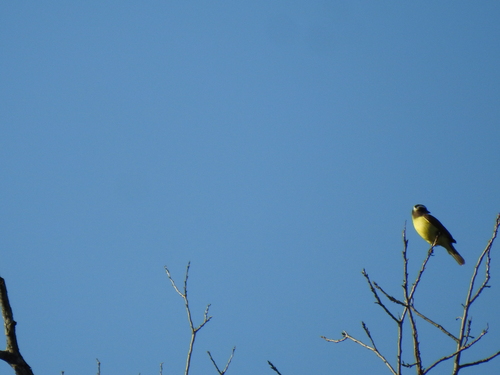
ハチマキヒタキモドキ (Conopias trivirgatus) ハチマキヒタキモドキ
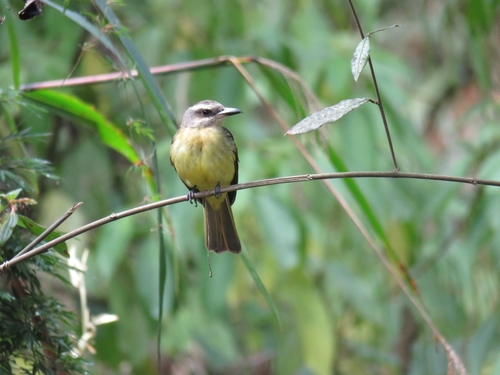
キンカムリブチタイランチョウ (Myiodynastes chrysocephalus) キンカムリブチタイランチョウ

メディア

読み込み中…

要点

ハチマキヒタキモドキとキンカムリブチタイランチョウの最も信頼できるフィールドマークはサイズです:Golden-crownedははるかに大きく、がっしりしており、太いくちばしと長い体を持っています。ハチマキヒタキモドキは特に小さく、スリムで、全体的に繊細です。羽毛では、Three-stripedは後頭部を囲む連続した白いスーパシリウムと、きれいで明るい黄色の腹部を示しますが、Golden-crownedは隠れた黄色の冠斑(めったに見えない)、後頭部を囲まない白いスーパシリウム、そしてオリーブの縞模様があるバフィーイエローの下部を持っています。両種は薄暗い翼と尾を持ち、淡いまたは赤褐色の縁がありますが、Golden-crownedの翼と尾はより赤褐色のトーンを示します。構造と全体的な印象は、特に暗い場所や距離がある場合に、これらの2種を区別するために羽毛と同じくらい有用です。

識別のコツ

  1. サイズは最も早い区別要因です: キンカムリブチタイランチョウはThree-stripedよりもはるかに大きく、がっしりしています。スケール感が良いときや同じエリアで両種を見るときにこれを使用してください。悪条件下の孤立した鳥には注意してください。
  2. くちばしの形: Three-stripedは長く、細く、ほぼ繊細な黒っぽいくちばしを持っています;Golden-crownedのくちばしは明らかに太く、より頑丈です。これは横から見るか、鳥が鳴いているときに最もよく見えます。
  3. スーパシリウムのパターン: Three-stripedは、ロアから後頭部を囲む際立った白いスーパシリウムを示し、「ハロー」効果を生み出します。Golden-crownedのスーパシリウムは長いですが、後頭部を囲みません—止まっている鳥でこの違いを探してください。
  4. 冠の色: Three-stripedは黄色の斑点のない暗褐色の冠を持っています。Golden-crownedの冠は褐色がかった灰色から暗色ですが、中心に隠れた黄金色の斑点があります。羽毛が立っていない限り、めったに見えません。
  5. 顔のパターン: Three-stripedの顔は暗褐色で、冠に溶け込み、白いスーパシリウムが際立っています。Golden-crownedの顔は主に灰色がかった暗色で、長い白いスーパシリウムがありますが、囲む効果はありません。
  6. 上面: 両方ともオリーブ色ですが、Three-stripedは全体的に淡いです。Golden-crownedの尾と上尾羽はより緑がかったオリーブ色で、時にはシナモン色やバフィーの縁があります—微妙ですが、良い光の中で見ることができます。
  7. 翼と尾の縁: Three-stripedの翼は暗色で淡い先端/縁があり、赤褐色ではありません。Golden-crownedの翼と尾は薄い赤褐色からバフィーの縁があり、特にカバー羽と飛行羽において、Golden-crownedではより暖かく、よりカラフルな印象を探してください。
  8. 下部の色: Three-stripedは明るいレモンイエローで、胸にはわずかなオリーブの色合いがあります(または一部の亜種ではありません)。Golden-crownedは下部が淡い黄色ですが、顎は白、喉は淡いバフィー、胸はバフィーイエローで、側面には淡い灰色がかったオリーブとオリーブの縞模様の曖昧な色合いがあります—これにより、Golden-crownedはより模様があり、よりクリーンではない外観を持ちます。
  9. 胸のパターン: Golden-crownedだけが胸の側面にオリーブの縞模様と中心に曖昧なオリーブの色合いを示します;Three-stripedの胸ははるかにクリーンです。
  10. 尾の色: Three-stripedの尾は暗色でコントラストが少ないです;Golden-crownedの尾は暗色で、特に良い光の中や扇状に広げたときに、いくつかの赤褐色の縁が見えます。
  11. 脚と虹彩の色: 両方とも黒っぽい脚と暗い虹彩を持っています;区別には役立ちません。
  12. 性別: 両種は性別的に単形であり—性別を区別要因として使用しないでください。
  13. 幼鳥/未熟なマーク: どちらの種にも強い年齢特有の翼や尾のパネルは記載されていません;全体的な構造と羽毛に焦点を当ててください。
  14. 生息地と範囲: 両方とも同じ国に出現する可能性がありますが、Three-stripedはより広範囲です。重複エリアでの区別には範囲だけに頼らないでください。
  15. 行動/印象: Golden-crownedは飛行中または止まっているときに、より重く、遅く、より頑丈に見えるでしょう;Three-stripedはより小柄で敏捷です。これを羽毛のマークと組み合わせて使用すると、最良の結果が得られます。

大きさ

キンカムリブチタイランチョウはハチマキヒタキモドキ(13.5–14.5 cm; 重量は記載されていませんが、比率的にずっと軽い)よりもかなり大きく(18.5–22 cm)かつ重い(37–40 g)です[wikipedia]。フィールドでの違いは明らかです:Golden-crownedは頑丈で大きな頭を持ち、厚く強いくちばしを持っていますが、Three-stripedは小柄でスリムで、細いくちばしを持っています。一緒に見た場合、サイズだけが通常診断的です。

羽色

行動

行動は提供されたメモの中でどちらの種についても詳細には記載されていません。両方とも典型的なタイランチョウであり、目立って止まることがありますが、Golden-crownedの大きなサイズと重い体格は、より意図的で、Three-stripedに比べて敏捷性が低い印象を与えるかもしれません。飛行中、Golden-crownedはよりがっしりしていて長い尾に見え、Three-stripedはよりコンパクトで軽く見えるはずです。

生息環境

両種はアルゼンチン、ボリビア、ペルーで重なりますが、ハチマキヒタキモドキはブラジル、エクアドル、パラグアイ、ベネズエラにまで広がるはるかに広い範囲を持っています。メモには生息地の好みは記載されていないため、この情報だけでは生息地は信頼できる区別要因ではありません。

より良い説明を送る

比較と同じ項目を使ってください。文章はすぐに公開されます。

The most reliable field mark between Three-striped Flycatcher and Golden-crowned Flycatcher is size: Golden-crowned is much larger and bulkier, with a stouter bill and longer body. Three-striped Flycatcher is notably smaller, slimmer, and more delicate overall. In plumage, Three-striped shows a continuous white supercilium that wraps around the nape and a clean, bright yellow underside, while Golden-crowned has a hidden yellow crown patch (rarely visible), a white supercilium that does not wrap the nape, and buffy-yellow underparts with olive streaking on the breast. Both species have dusky wings and tails with pale or rufous edges, but Golden-crowned's wings and tail show more rufous tones. Structure and overall jizz are often as useful as plumage for separating these two, especially in poor light or at a distance.

  1. Size is the fastest separator: Golden-crowned Flycatcher is much larger and bulkier than Three-striped. Use this when you have a good sense of scale or see both species in the same area; beware of lone birds in poor conditions.
  2. Bill shape: Three-striped has a long, thin, almost delicate blackish bill; Golden-crowned's bill is noticeably stouter and more robust. This is best seen in profile or when the bird is calling.
  3. Supercilium pattern: Three-striped shows a striking white supercilium that wraps from the lores around the nape, creating a 'halo' effect. Golden-crowned's supercilium is long but does not wrap the nape—look for this difference in perched birds.
  4. Crown color: Three-striped has a dusky brown crown with no yellow patch. Golden-crowned's crown is brownish gray to dusky, but with a hidden golden-yellow patch in the center, rarely visible unless the feathers are raised.
  5. Face pattern: Three-striped's face is dusky brown, blending into the crown, with the white supercilium standing out. Golden-crowned's face is mostly grayish dusky with a long white supercilium but lacks the wraparound effect.
  6. Upperparts: Both are olive above, but Three-striped is paler overall. Golden-crowned's rump and uppertail coverts are more greenish olive, sometimes with cinnamon or buffy edges—subtle but visible in good light.
  7. Wing and tail edging: Three-striped's wings are dusky with faint pale tips/edges, never rufous. Golden-crowned's wings and tail have thin rufous to tawny-buff edges, especially on the coverts and flight feathers; look for a warmer, more colorful impression in Golden-crowned.
  8. Underparts color: Three-striped is bright lemon-yellow below with a faint olive tinge on the breast (or none in some subspecies). Golden-crowned is pale yellow below, but the chin is white, the throat is pale buffy, and the breast is buffy yellow with a cloudy suffusion of pale grayish olive and olive streaks on the sides—giving a more patterned and less clean look.
  9. Breast pattern: Only Golden-crowned shows olive streaks on the sides of the breast and a cloudy olive suffusion in the center; Three-striped's breast is much cleaner.
  10. Tail color: Three-striped's tail is dusky with little contrast; Golden-crowned's tail is dusky with some rufous edges, especially visible in good light or when fanned.
  11. Leg and iris color: Both have blackish legs and dark irises; not useful for separation.
  12. Sexes: Both species are sexually monomorphic—do not use sex as a separator.
  13. Juvenile/immature marks: No strong age-specific wing or tail panels are described for either species; focus on overall structure and plumage.
  14. Habitat and range: Both can occur in the same countries, but Three-striped is more widespread. Do not rely on range alone for separation in areas of overlap.
  15. Behavior/jizz: Golden-crowned will appear heavier, slower, and more robust in flight or when perched; Three-striped is more petite and agile. Use this in combination with plumage marks for best results.

Golden-crowned Flycatcher is substantially larger (18.5–22 cm) and heavier (37–40 g) than Three-striped Flycatcher (13.5–14.5 cm; weight not given but much lighter by proportion) [wikipedia]. The difference is obvious in the field: Golden-crowned appears robust and big-headed, with a thick, strong bill, while Three-striped looks petite, slim, and fine-billed. If seen together, size alone is usually diagnostic.

  • Juvenile/immature wing pattern: No age-specific wing panel or contrasting marks are described for either species; both have dusky wings with pale or rufous edging, but Golden-crowned's are more rufous/tawny-buff, while Three-striped's are faintly paler-tipped or edged, never rufous. This difference is subtle and best seen in good light.
  • Head pattern: Three-striped Flycatcher has a distinctive white supercilium that starts at the lores and wraps around the nape, creating a strong 'three-striped' effect with the dusky crown and face. Golden-crowned has a long white supercilium but it does not wrap the nape; its crown is brownish gray to dusky with a hidden golden-yellow patch (usually not visible in the field).
  • Upperparts: Both are olive above, but Three-striped is paler olive, while Golden-crowned is dull olive with a greenish olive rump and uppertail coverts, sometimes with cinnamon/buffy edges.
  • Wings and tail: Three-striped has dusky wings with faint pale tips/edges and a dusky tail; Golden-crowned's wings and tail are dusky with thin rufous/tawny-buff edges, especially on the coverts and flight feathers, and some rufous on the tail feathers.
  • Underparts: Three-striped is bright lemon-yellow below with only a faint olive tinge on the breast (or none in some subspecies); Golden-crowned is pale yellow below, but the chin is white, the throat is pale buffy, the breast is buffy yellow with a cloudy suffusion of pale grayish olive and olive streaks on the sides. This gives Golden-crowned a more patterned, less clean look below.
  • Bill and iris: Three-striped has a long, thin, blackish bill; Golden-crowned's bill is stouter and black. Both have dark irises.

Behavior is not described in detail for either species in the provided notes. Both are typical tyrant flycatchers and may perch conspicuously, but Golden-crowned's larger size and heavier build may give it a more deliberate, less agile appearance compared to the daintier Three-striped. In flight, Golden-crowned will look bulkier and longer-tailed, while Three-striped should appear more compact and lighter.

Both species overlap in Argentina, Bolivia, and Peru, but Three-striped Flycatcher has a much wider range, extending into Brazil, Ecuador, Paraguay, and Venezuela. No habitat preferences are described in the notes, so habitat is not a reliable separator based on this information alone.

変更を破棄しますか?

保存していない編集があります。今離れると失われます。

ハチマキヒタキモドキ · キンカムリブチタイランチョウ · 苦手な鳥