

Bruine muisvogel vs Halsbandapalis
Colius striatus versus Apalis thoracica
Speel een quiz met Bruine muisvogel en Halsbandapalis
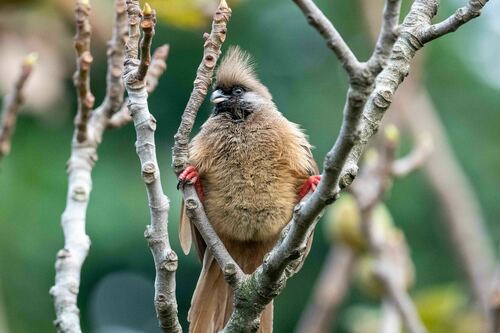 Bruine muisvogel
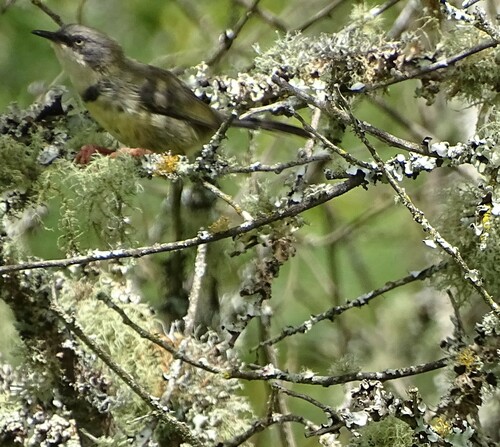 Halsbandapalis
Kort gezegd
Het meest betrouwbare veldkenmerk om de Bruine muisvogel van de Halsbandapalis te scheiden is de algehele structuur en staart: de muisvogel is veel groter, zwaarder en heeft een extreem lange, geleidelijke staart die de helft van zijn lengte uitmaakt, terwijl de apalis een kleine, slanke vogel is met een proportioneel lange maar veel kortere staart. Muisvogels zijn uniform dof bruin met een prominente kuif en een donkere bovenste snavel, terwijl apalissen contrasterende verenkleed vertonen, inclusief een smalle zwarte borstband en witte buitenste staartveren. Juveniele apalissen kunnen een volledige borstband missen, maar lijken nooit op de eenvoudige, gekuifte muisvogel. In de vlucht of zittend valt de grootte, vorm en gedempte tinten van de muisvogel op in vergelijking met de slanke, actieve uitstraling en scherpe patronen van de apalis.
Herkenningstips
- Grootte en vorm: Muisvogel is veel groter en zwaarder dan apalis, met een lichaamsgewicht dat meer dan vijf keer groter is. Zelfs zonder een directe vergelijking zijn de bulk en lengte van de muisvogel duidelijk.
- Staartlengte en -vorm: De staart van de muisvogel is buitengewoon lang en geleidelijk, en maakt ongeveer de helft van zijn totale lengte uit, en is breed en afgerond aan de punt. Apalis heeft een lange staart voor zijn grootte, maar deze is veel korter, smaller en heeft witte buitenveren.
- Kuif: Muisvogel heeft een prominente, stekelige kuif die zowel in rust als in beweging zichtbaar is. Apalis mist een kuif en heeft een glad, afgerond hoofdprofiel.
- Snavelstructuur en kleur: De snavel van de muisvogel is kort, dik en bicolored (zwarte bovenkant, roze onderkant). Apalis heeft een langere, slanke, licht gebogen zwarte snavel.
- Verenkleur: Muisvogel is uniform dof bruin boven en onder, zonder sterke contrasten. Apalis is altijd contrasterender, met grijze of groene bovenzijde, witte of lichtgele onderzijde, en een duidelijke zwarte borstband (hoewel smaller bij vrouwtjes en soms onvolledig bij juvenielen).
- Borstband: Alleen apalis toont een zwarte borstband (smal bij vrouwtjes, onvolledig bij juvenielen). Muisvogel heeft nooit een borstband.
- Staartpatroon: Apalis heeft witte buitenste staartveren, zichtbaar zowel zittend als in de vlucht. Muisvogel’s staart is eenvoudig bruin zonder wit.
- Oogkleur: Apalis heeft een licht oog, vaak opvallend in goed licht. Muisvogel’s oog is donker, en iris kleur varieert per ondersoort maar is nooit licht.
- Uiterlijk en beweging: Muisvogel beweegt langzaam, vaak klimmend of hangend in het loof, en is meestal in groepen. Apalis is snel, behendig, en flikkert vaak met zijn staart, beweegt alleen of in paren.
- Vluchtstijl: Muisvogel’s vlucht is zwak, golvend, en zelden volgehouden. Apalis heeft een meer directe, stuiterende vlucht.
- Juveniele verwarring: Juveniele apalis kan een volledige borstband missen en heeft bufferonderdelen, maar toont nog steeds wit in de staart en een licht oog. Juveniele muisvogels zijn vergelijkbaar met volwassenen: eenvoudig bruin, gekuift, en met een lange staart.
- Vocalisaties: Muisvogel geeft lage, warbelende of scherpe roepen, niet muzikaal. Apalis is vocaler, met dunne, hoge trillers en roepen.
- Habitat: Muisvogel is algemeen in tuinen, open bos, en struikgewas, vaak nabij mensen. Apalis geeft de voorkeur aan dichte struiken en bosrand, zelden in open of stedelijke omgevingen.
- Sociaal gedrag: Muisvogels zijn sociaal, vaak in groepen. Apalissen zijn meer solitair of in paren.
- Gebruik van de snavel: Muisvogels gebruiken vaak hun snavel om voedsel te manipuleren en te klimmen, soms hangend ondersteboven. Apalis zoekt meer voedsel zoals een typische zangvogel, insecten van het loof plukkend.
Grootte
Bruine muisvogel is dramatisch groter en zwaarder: ongeveer 35 cm lang (met de staart ongeveer de helft van die lengte) en weegt rond de 57 g [wikipedia], vergeleken met Halsbandapalis van slechts 11–13 cm en 10,5 g [wikidata]. De bulk, lange staart en algehele aanwezigheid van de muisvogel zijn onmiskenbaar in vergelijking met de delicate, lichte apalis. Zelfs van een afstand is het verschil in massa en lengte opvallend.
Verenkleed
Juveniele Halsbandapalis kan verward worden met andere kleine, lichtbuikige vogels, maar niet met de uniform bruine, gekuifte muisvogel. Juvenielen hebben bufferonderdelen en kunnen een onvolledige borstband vertonen, maar behouden altijd de witte buitenste staartveren en het lichte oog. Volwassenen van beide soorten zijn onderscheidend: Bruine muisvogel is overal dof muisbruin, met een prominente kuif en een zwarte bovenkaak die contrasteert met een roze onderkaak. De apalis daarentegen is altijd scherper gemarkeerd, met grijze of groene bovenzijde, witte of lichtgele onderzijde, een smalle zwarte borstband (smaller bij vrouwtjes), witte buitenste staartveren en een licht oog. De muisvogel mist elke borstband, wit in de staart of een licht oog. De apalis heeft een slanke, licht gebogen zwarte snavel, terwijl de snavel van de muisvogel korter en bicolored is. Subspecifieke variatie in beide is gering in vergelijking met deze kernverschillen.
Gedrag
Bruine muisvogels worden vaak gezien terwijl ze door het loof klimmen in kleine, sociale groepen, met een langzame, eekhoornachtige gang, soms ondersteboven hangend. Hun vlucht is zwak en golvend, vaak over korte afstanden. Halsbandapalis is veel actiever en behendiger, meestal alleen of in paren gezien, snel fladderend door takken en loof, vaak met een flikkering van de staart. Apalissen worden vaker aangetroffen als onderdeel van gemengde soorten groepen en vertonen zelden het sociale, luie gedrag van de muisvogel.
Habitat
Beide soorten komen voor in overlappende gebieden van Oost- en Zuid-Afrika, maar hun habitatvoorkeuren verschillen. Bruine muisvogel is zeer aanpasbaar, te vinden in een breed scala aan habitats, waaronder tuinen, bos, struikgewas en savanne, vaak nabij menselijke bewoning. Halsbandapalis geeft de voorkeur aan bosranden, struiken en dichte bossen, en is minder waarschijnlijk in open of stedelijke gebieden. Als je een vogel ziet in een verzorgde tuin of open struikgewas, is de muisvogel waarschijnlijker; dichte, verwarde struiken geven de voorkeur aan apalis.
Geluid
Bruine muisvogel is geen zangvogel en is over het algemeen stil, maar geeft een warbelende "tsu-tsu" roep in de vlucht en een scherpe "tisk-tisk" alarm. Halsbandapalis, als een cisticolid, is vocaler, en geeft typisch een reeks hoge, dunne roepen en trillers. Muisvogelroepen zijn lager van toon en minder muzikaal; als je een aanhoudend, hoog, dun lied hoort, is het waarschijnlijk de apalis.