

Motmot

チャイロネズミドリ 対 ムナオビイロムシクイ

Colius striatus 対 Apalis thoracica

チャイロネズミドリとムナオビイロムシクイのクイズ
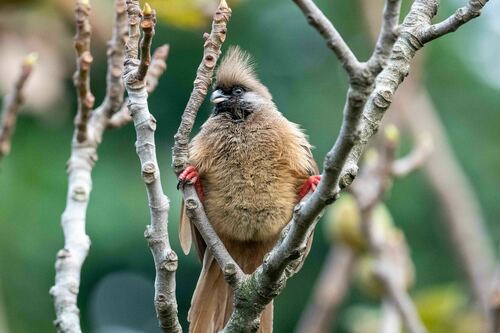
チャイロネズミドリ (Colius striatus) チャイロネズミドリ
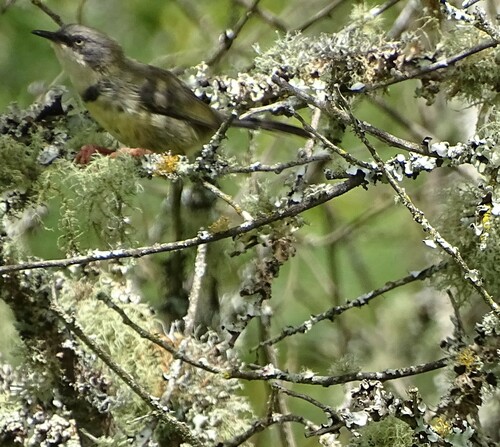
ムナオビイロムシクイ (Apalis thoracica) ムナオビイロムシクイ

メディア

読み込み中…

要点

チャイロネズミドリとムナオビイロムシクイを区別する最も信頼できるフィールドマークは、全体の構造と尾です:チャイロネズミドリははるかに大きく、体重が重く、全長の半分を占める非常に長い段階的な尾を持っていますが、ムナオビイロムシクイは小さく、細長い鳥で、相対的に長いものの、はるかに短い尾を持っています。チャイロネズミドリは均一な鈍い茶色で、目立つ冠と暗い上くちばしを持っていますが、ムナオビイロムシクイは対照的な羽毛を示し、狭い黒い胸帯と白い外尾羽を含みます。幼鳥のムナオビイロムシクイは完全な胸帯を欠くことがありますが、決して地味で冠のあるチャイロネズミドリに似ることはありません。飛んでいる時や止まっている時、チャイロネズミドリのサイズ、形、 muted tones はムナオビイロムシクイの引き締まった、活発な姿勢と鮮明なパターンから際立っています。

識別のコツ

  1. Size and shape: チャイロネズミドリはムナオビイロムシクイよりもはるかに大きく、重いです。体重は5倍以上です。直接比較がなくても、チャイロネズミドリの体格と長さは明らかです。
  2. Tail length and shape: チャイロネズミドリの尾は非常に長く、段階的で、全長の約半分を占め、先端は広く丸みを帯びています。ムナオビイロムシクイはそのサイズに対して長い尾を持っていますが、はるかに短く、狭く、白い外羽を持っています。
  3. Crest: チャイロネズミドリは、休んでいる時も動いている時も目立つトゲのある冠を持っています。ムナオビイロムシクイには冠がなく、滑らかで丸い頭のプロファイルを持っています。
  4. Bill structure and color: チャイロネズミドリのくちばしは短く、太く、二色です(上は黒、下はピンクがかった色)。ムナオビイロムシクイは、より長く、細く、わずかに下向きの黒いくちばしを持っています。
  5. Plumage color: チャイロネズミドリは上も下も均一な鈍い茶色で、強いコントラストはありません。ムナオビイロムシクイは常により対照的で、灰色または緑の上面、白または淡い黄色の下面、そして明確な黒い胸帯を持っています(ただし、雌では狭く、幼鳥では時々不完全です)。
  6. Breast band: ムナオビイロムシクイだけが黒い胸帯を示します(雌では狭く、幼鳥では不完全)。チャイロネズミドリには胸帯がありません。
  7. Tail pattern: ムナオビイロムシクイは白い外尾羽を持ち、止まっている時も飛んでいる時も見えます。チャイロネズミドリの尾は無地の茶色で、白はありません。
  8. Eye color: ムナオビイロムシクイは淡い目を持ち、良い光の中では目を引きます。チャイロネズミドリの目は暗く、虹彩の色は亜種によって異なりますが、決して淡くはありません。
  9. Jizz and movement: チャイロネズミドリはゆっくりと動き、しばしば葉の中を登ったりぶら下がったりし、通常は群れでいます。ムナオビイロムシクイは素早く、敏捷で、しばしば尾を振り、単独またはペアで移動します。
  10. Flight style: チャイロネズミドリの飛行は弱く、波打つようで、持続することはほとんどありません。ムナオビイロムシクイはより直接的で、跳ねるような飛行をします。
  11. Juvenile confusion: 幼鳥のムナオビイロムシクイは完全な胸帯を欠き、下腹部が緩いことがありますが、尾に白を示し、淡い目を持っています。幼鳥のチャイロネズミドリは成鳥に似ています:無地の茶色で、冠があり、長い尾を持っています。
  12. Vocalizations: チャイロネズミドリは低い、さえずりや鋭い呼び声を出し、音楽的ではありません。ムナオビイロムシクイはより声が多く、細く高音のトリルや呼び声を出します。
  13. Habitat: チャイロネズミドリは庭、開けた森林、低木の中で一般的で、しばしば人の近くにいます。ムナオビイロムシクイは密な藪や森林の端を好み、開けた場所や都市部ではめったに見られません。
  14. Social behavior: チャイロネズミドリは群れで行動することが多いです。ムナオビイロムシクイはより孤独で、ペアでいることが多いです。
  15. Bill use: チャイロネズミドリはしばしばくちばしを使って食べ物を操作したり登ったりし、時には逆さまにぶら下がります。ムナオビイロムシクイは典型的なウグイスのように昆虫を葉から採取します。

大きさ

チャイロネズミドリは劇的に大きく、重いです:約35 cmの長さ(尾はその長さの約半分)で、約57 gの重さです [wikipedia]。対してムナオビイロムシクイはわずか11〜13 cmで、10.5 g [wikidata]です。チャイロネズミドリの体格、長い尾、全体的な存在感は、繊細で軽量なムナオビイロムシクイに対して明らかです。距離があっても、質量と長さの違いは際立っています。

羽色

幼鳥のムナオビイロムシクイは他の小さく、淡い腹の鳥と混同されることがありますが、均一な茶色で冠のあるチャイロネズミドリとは混同されません。幼鳥は下腹部が緩く、胸帯が不完全なことがありますが、常に白い外尾羽と淡い目を保持しています。両種の成鳥は独特です:チャイロネズミドリは全体が鈍いマウスブラウンで、目立つ冠と、ピンクがかった下くちばしと対照的な黒い上くちばしを持っています。一方、ムナオビイロムシクイは常により鮮明にマーキングされており、灰色または緑の上面、白または淡い黄色の下面、狭い黒い胸帯(雌では狭く)、白い外尾羽、そして淡い目を持っています。チャイロネズミドリには胸帯、尾の白、または淡い目はありません。ムナオビイロムシクイは細長く、わずかに下向きの黒いくちばしを持ち、チャイロネズミドリのくちばしはより短く、二色です。両者の亜種の変異は、これらの基本的な違いに比べてわずかです。

行動

チャイロネズミドリはしばしば小さな社会的グループで葉の中を這い回っているのが見られ、ゆっくりとしたリスのような歩き方で、時には逆さまにぶら下がっています。彼らの飛行は弱く、波打つようで、しばしば短い距離を飛びます。ムナオビイロムシクイははるかに活発で敏捷で、通常は単独またはペアで見られ、枝や葉の中を素早く飛び回り、しばしば尾を振ります。ムナオビイロムシクイは混成種の群れの一部として遭遇する可能性が高く、チャイロネズミドリの社会的でくつろいだ行動を示すことはめったにありません。

生息環境

両種は東部および南部アフリカの重複する地域に生息していますが、彼らの生息地の好みは異なります。チャイロネズミドリは非常に適応性が高く、庭、森林、低木、サバンナなどの広範な生息地で見られ、しばしば人間の居住地の近くにいます。ムナオビイロムシクイは森林の端、藪、密な低木を好み、開けた場所や都市部ではあまり見られません。手入れの行き届いた庭や開けた低木の中で鳥を見かけた場合、チャイロネズミドリの可能性が高く、密で絡み合った藪はムナオビイロムシクイを好みます。

声

チャイロネズミドリは歌鳥ではなく、一般的に静かですが、飛行中にさえずりの「ツー・ツー」という呼び声と鋭い「ティスク・ティスク」という警告音を出します。ムナオビイロムシクイはシスティコリッドとして、より声が多く、通常は高音で細い呼び声やトリルの一連を出します。チャイロネズミドリの呼び声は低音で音楽的ではなく、もし持続的で高音の細い歌を聞いたら、それはおそらくムナオビイロムシクイです。

より良い説明を送る

比較と同じ項目を使ってください。文章はすぐに公開されます。

The most reliable field mark to separate Speckled Mousebird from Bar-throated Apalis is overall structure and tail: the mousebird is much larger, heavier-bodied, and has an extremely long, graduated tail making up half its length, while the apalis is a small, slender bird with a proportionally long but much shorter tail. Mousebirds are uniform dull brown with a prominent crest and dark upper bill, whereas apalises show contrasting plumage, including a narrow black breast band and white outer tail feathers. Juvenile apalises may lack a full breast band, but never resemble the plain, crested mousebird. In flight or perched, the mousebird’s size, shape, and muted tones stand out from the apalis’s trim, active jizz and crisp patterning.

  1. Size and shape: Mousebird is much larger and heavier than apalis, with a body mass over five times greater. Even without a direct comparison, the mousebird’s bulk and length are obvious.
  2. Tail length and shape: Mousebird’s tail is extraordinarily long and graduated, making up about half its total length, and is broad and rounded at the tip. Apalis has a long tail for its size, but it is much shorter, narrower, and features white outer feathers.
  3. Crest: Mousebird has a prominent, spiky crest visible both at rest and in motion. Apalis lacks any crest and has a smooth, rounded head profile.
  4. Bill structure and color: Mousebird’s bill is short, thick, and bicolored (black upper, pinkish lower). Apalis has a longer, slender, slightly decurved black bill.
  5. Plumage color: Mousebird is uniform dull brown above and below, with no strong contrasts. Apalis is always more contrasting, with grey or green upperparts, white or pale yellow underparts, and a distinct black breast band (though narrower in females and sometimes incomplete in juveniles).
  6. Breast band: Only apalis shows a black breast band (narrow in females, incomplete in juveniles). Mousebird never has a breast band.
  7. Tail pattern: Apalis has white outer tail feathers, visible both perched and in flight. Mousebird’s tail is plain brown with no white.
  8. Eye color: Apalis has a pale eye, often striking in good light. Mousebird’s eye is dark, and iris color varies by subspecies but is never pale.
  9. Jizz and movement: Mousebird moves slowly, often climbing or hanging in foliage, and is usually in groups. Apalis is quick, agile, and often flicks its tail, moving singly or in pairs.
  10. Flight style: Mousebird’s flight is weak, undulating, and rarely sustained. Apalis has a more direct, bounding flight.
  11. Juvenile confusion: Juvenile apalis may lack a full breast band and have buffer underparts, but still show white in the tail and a pale eye. Juvenile mousebirds are similar to adults: plain brown, crested, and long-tailed.
  12. Vocalizations: Mousebird gives low, warbling or sharp calls, not musical. Apalis is more vocal, with thin, high-pitched trills and calls.
  13. Habitat: Mousebird is common in gardens, open woodland, and scrub, often near people. Apalis prefers dense thickets and forest edge, rarely in open or urban settings.
  14. Social behavior: Mousebirds are gregarious, often in groups. Apalises are more solitary or in pairs.
  15. Bill use: Mousebirds often use their bill to manipulate food and climb, sometimes hanging upside down. Apalis forages more like a typical warbler, gleaning insects from foliage.

Speckled Mousebird is dramatically larger and heavier: about 35 cm long (with the tail about half that length) and weighing around 57 g [wikipedia], compared to Bar-throated Apalis at just 11–13 cm and 10.5 g [wikidata]. The mousebird’s bulk, long tail, and overall presence are unmistakable against the delicate, lightweight apalis. Even at a distance, the difference in mass and length is striking.

Juvenile Bar-throated Apalis can be confused with other small, pale-bellied birds, but not with the uniformly brown, crested mousebird. Juveniles have buffer underparts and may show an incomplete breast band, but always retain the white outer tail feathers and pale eye. Adults of both species are distinctive: Speckled Mousebird is dull mousy-brown all over, with a prominent crest and a black upper mandible contrasting a pinkish lower mandible. The apalis, by contrast, is always more crisply marked, with grey or green upperparts, white or pale yellow underparts, a narrow black breast band (narrower in females), white outer tail feathers, and a pale eye. The mousebird lacks any breast band, white in the tail, or pale eye. The apalis has a slender, slightly decurved black bill, while the mousebird’s bill is stubbier and bicolored. Subspecific variation in both is minor compared to these core differences.

Speckled Mousebirds are often seen clambering through foliage in small, social groups, moving with a slow, squirrel-like gait, sometimes hanging upside down. Their flight is weak and undulating, often over short distances. Bar-throated Apalis is much more active and agile, typically seen singly or in pairs, flitting rapidly through branches and foliage, often flicking its tail. Apalises are more likely to be encountered as part of mixed-species flocks and rarely show the mousebird’s social, lounging behavior.

Both species occur in overlapping regions of eastern and southern Africa, but their habitat preferences differ. Speckled Mousebird is highly adaptable, found in a wide range of habitats including gardens, woodland, scrub, and savanna, often near human habitation. Bar-throated Apalis prefers forest edges, thickets, and dense bush, and is less likely in open or urban areas. If you see a bird in a manicured garden or open scrub, mousebird is more likely; dense, tangled thickets favor apalis.

Speckled Mousebird is not a songbird and is generally quiet, but gives a warbling "tsu-tsu" call in flight and a sharp "tisk-tisk" alarm. Bar-throated Apalis, as a cisticolid, is more vocal, typically giving a series of high-pitched, thin calls and trills. Mousebird calls are lower-pitched and less musical; if you hear a persistent, high, thin song, it is likely the apalis.

変更を破棄しますか?

保存していない編集があります。今離れると失われます。

チャイロネズミドリ · ムナオビイロムシクイ · 苦手な鳥