

Speckled Mousebird vs Bar-throated Apalis
Colius striatus contro Apalis thoracica
Fai un quiz con Speckled Mousebird e Bar-throated Apalis
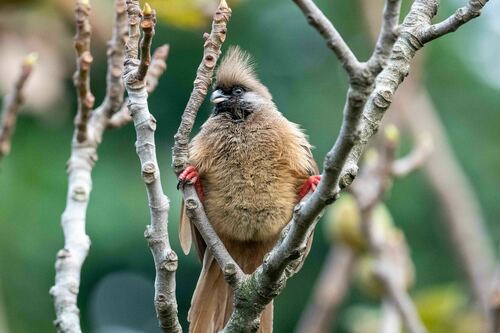 Speckled Mousebird
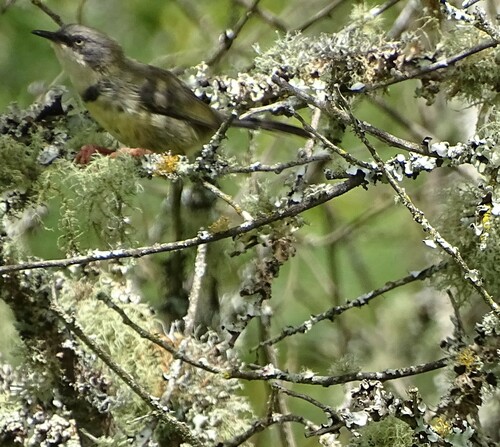 Bar-throated Apalis
In breve
Il segno distintivo più affidabile per separare il Speckled Mousebird dal Bar-throated Apalis è la struttura generale e la coda: il mousebird è molto più grande, con un corpo più pesante e ha una coda estremamente lunga e graduata che costituisce metà della sua lunghezza, mentre l'apalis è un uccello piccolo e snello con una coda proporzionalmente lunga ma molto più corta. I mousebird sono di un marrone uniforme e opaco con una cresta prominente e un becco superiore scuro, mentre gli apalises mostrano un piumaggio contrastante, inclusa una stretta banda nera sul petto e piume bianche sulla coda esterna. Gli apalises giovani possono mancare di una banda completa sul petto, ma non assomigliano mai al mousebird cresta, semplice. In volo o posati, la dimensione, la forma e i toni attenuati del mousebird si distinguono dal comportamento attivo e dal motivo nitido dell'apalis.
Consigli di identificazione
- Dimensione e forma: Il mousebird è molto più grande e pesante dell'apalis, con una massa corporea oltre cinque volte maggiore. Anche senza un confronto diretto, il volume e la lunghezza del mousebird sono evidenti.
- Lunghezza e forma della coda: La coda del mousebird è straordinariamente lunga e graduata, costituendo circa metà della sua lunghezza totale, ed è larga e arrotondata alla punta. L'apalis ha una coda lunga per le sue dimensioni, ma è molto più corta, più stretta e presenta piume esterne bianche.
- Cresta: Il mousebird ha una cresta prominente e appuntita visibile sia a riposo che in movimento. L'apalis non ha alcuna cresta e ha un profilo della testa liscio e arrotondato.
- Struttura e colore del becco: Il becco del mousebird è corto, spesso e bicolore (superiore nero, inferiore rosato). L'apalis ha un becco più lungo, snello e leggermente ricurvo verso il basso.
- Colore del piumaggio: Il mousebird è di un marrone uniforme e opaco sopra e sotto, senza forti contrasti. L'apalis è sempre più contrastante, con parti superiori grigie o verdi, parti inferiori bianche o giallo pallido e una distinta banda nera sul petto (anche se più stretta nelle femmine e talvolta incompleta nei giovani).
- Banda sul petto: Solo l'apalis mostra una banda nera sul petto (stretta nelle femmine, incompleta nei giovani). Il mousebird non ha mai una banda sul petto.
- Motivo della coda: L'apalis ha piume esterne bianche sulla coda, visibili sia posate che in volo. La coda del mousebird è marrone uniforme senza bianco.
- Colore degli occhi: L'apalis ha un occhio chiaro, spesso sorprendente in buona luce. L'occhio del mousebird è scuro e il colore dell'iride varia a seconda della sottospecie, ma non è mai chiaro.
- Comportamento e movimento: Il mousebird si muove lentamente, spesso arrampicandosi o appeso al fogliame, ed è solitamente in gruppi. L'apalis è veloce, agile e spesso sbatte la coda, muovendosi singolarmente o in coppie.
- Stile di volo: Il volo del mousebird è debole, ondulato e raramente sostenuto. L'apalis ha un volo più diretto e rimbalzante.
- Confusione giovanile: Gli apalises giovani possono mancare di una banda completa sul petto e avere parti inferiori buffer, ma mostrano comunque bianco nella coda e un occhio chiaro. I mousebirds giovani sono simili agli adulti: marrone uniforme, crestati e con coda lunga.
- Vocalizzazioni: Il mousebird emette richiami bassi, gorgheggianti o acuti, non musicali. L'apalis è più vocale, con trilli e richiami sottili e acuti.
- Habitat: Il mousebird è comune in giardini, boschi aperti e cespugli, spesso vicino alle persone. L'apalis preferisce cespugli densi e il bordo della foresta, raramente in ambienti aperti o urbani.
- Comportamento sociale: I mousebirds sono gregari, spesso in gruppi. Gli apalises sono più solitari o in coppie.
- Uso del becco: I mousebirds usano spesso il loro becco per manipolare il cibo e arrampicarsi, a volte appesi a testa in giù. L'apalis cerca cibo più come un tipico warbler, raccogliendo insetti dal fogliame.
Taglia
Il Speckled Mousebird è drammaticamente più grande e pesante: circa 35 cm di lunghezza (con la coda lunga circa metà di quella lunghezza) e un peso di circa 57 g [wikipedia], rispetto al Bar-throated Apalis che misura solo 11–13 cm e 10,5 g [wikidata]. Il volume, la lunga coda e la presenza complessiva del mousebird sono inconfondibili rispetto all'apalis delicato e leggero. Anche a distanza, la differenza di massa e lunghezza è sorprendente.
Piumaggio
L'apalis Bar-throated giovane può essere confuso con altri piccoli uccelli dal ventre chiaro, ma non con il mousebird cresta, marrone uniforme. I giovani hanno parti inferiori buffer e possono mostrare una banda incompleta sul petto, ma mantengono sempre le piume esterne bianche sulla coda e l'occhio chiaro. Gli adulti di entrambe le specie sono distintivi: il Speckled Mousebird è di un marrone opaco e topastro ovunque, con una cresta prominente e un mandibola superiore nera che contrasta con una mandibola inferiore rosata. L'apalis, al contrario, è sempre più nitidamente marcato, con parti superiori grigie o verdi, parti inferiori bianche o giallo pallido, una stretta banda nera sul petto (più stretta nelle femmine), piume esterne bianche sulla coda e un occhio chiaro. Il mousebird non ha alcuna banda sul petto, bianco nella coda o occhio chiaro. L'apalis ha un becco nero snello e leggermente ricurvo, mentre il becco del mousebird è più tozzo e bicolore. La variazione sottospecifica in entrambi è minore rispetto a queste differenze fondamentali.
Comportamento
I Speckled Mousebirds sono spesso visti arrampicarsi tra il fogliame in piccoli gruppi sociali, muovendosi con una andatura lenta e simile a quella di uno scoiattolo, a volte appesi a testa in giù. Il loro volo è debole e ondulato, spesso su brevi distanze. Il Bar-throated Apalis è molto più attivo e agile, tipicamente visto singolarmente o in coppie, che si muovono rapidamente tra i rami e il fogliame, spesso sbattendo la coda. Gli apalises sono più propensi a essere incontrati come parte di stormi di specie miste e raramente mostrano il comportamento sociale e rilassato del mousebird.
Habitat
Entrambe le specie si trovano in regioni sovrapposte dell'Africa orientale e meridionale, ma le loro preferenze di habitat differiscono. Il Speckled Mousebird è altamente adattabile, trovato in una vasta gamma di habitat tra cui giardini, boschi, cespugli e savana, spesso vicino all'abitazione umana. Il Bar-throated Apalis preferisce i bordi delle foreste, i cespugli e la boscaglia densa, ed è meno probabile trovarlo in aree aperte o urbane. Se vedi un uccello in un giardino curato o in un cespuglio aperto, è più probabile che sia un mousebird; i cespugli densi e aggrovigliati favoriscono l'apalis.
Voce
Il Speckled Mousebird non è un uccello canoro e generalmente è silenzioso, ma emette un richiamo gorgheggiante "tsu-tsu" in volo e un allerta acuta "tisk-tisk". Il Bar-throated Apalis, come un cisticolid, è più vocale, tipicamente emettendo una serie di richiami e trilli sottili e acuti. I richiami del mousebird sono a tonalità più bassa e meno musicali; se senti una canzone persistente, alta e sottile, è probabile che sia l'apalis.
Speckled Mousebird · Bar-throated Apalis · I miei uccelli difficili