

Delalandepiepertiran vs Teugelvlektodietiran
Corythopis delalandi versus Hemitriccus diops
Speel een quiz met Delalandepiepertiran en Teugelvlektodietiran
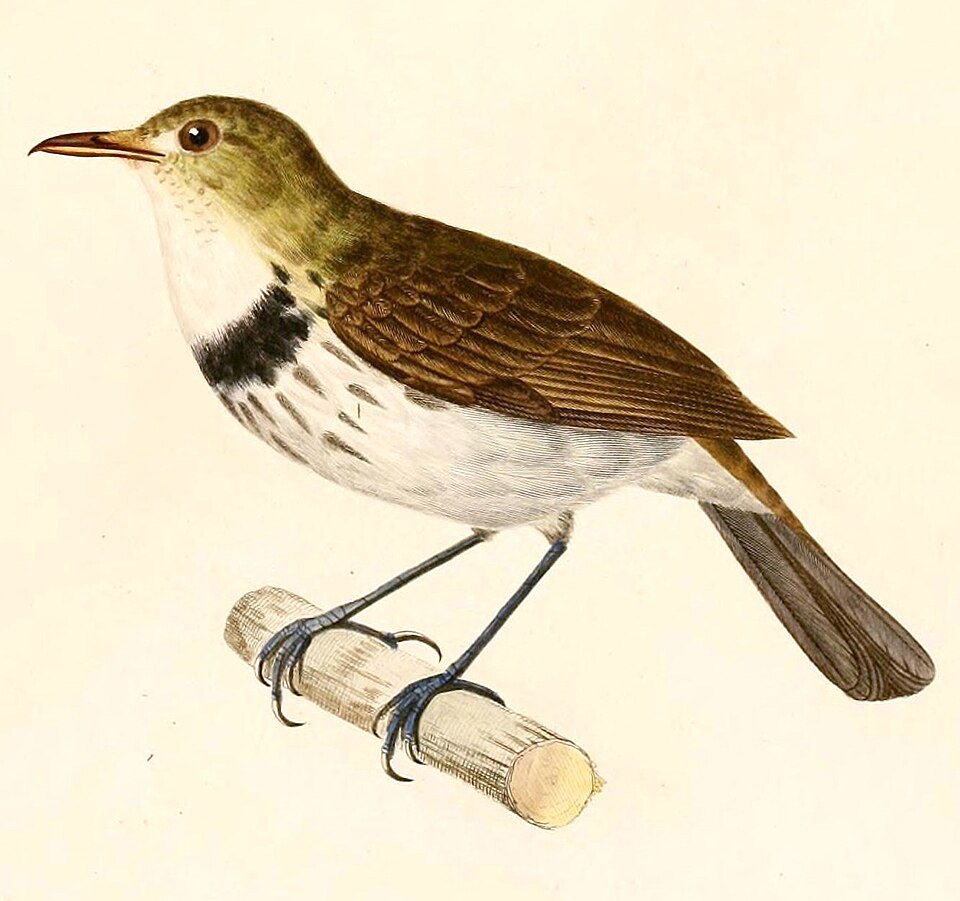 Delalandepiepertiran
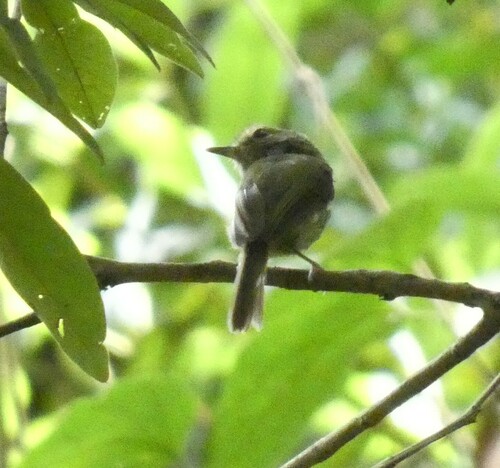 Teugelvlektodietiran
Kort gezegd
De meest betrouwbare veldkenmerk om de Delalandepiepertiran van de Teugelvlektodietiran te scheiden, is de gedurfde zwarte borst 'ketting' en gestreepte flanken van de piepertiran, versus de eenvoudige, saaie grijze borst van de dietiran met alleen een vage witte halve maan. De Delalandepiepertiran is ook duidelijk groter en langerbenig, met een bleker, meer contrasterend gezicht en onderdelen, terwijl de Teugelvlektodietiran kleiner, compacter en over het algemeen donkerder olijfgroen is. Beide soorten kunnen bleke vlekken op het gezicht vertonen, maar die van de piepertiran is vager en minder gedefinieerd. In het veld, let vooral op het patroon van de onderdelen, de algehele grootte en het gedrag op de grond of in lage vegetatie.
Herkenningstips
- Gedurfde zwarte borstketting: De Delalandepiepertiran toont altijd een dikke, bijna complete zwarte band over de borst met zwarte strepen langs de flanken. De Teugelvlektodietiran toont dit nooit; zijn borst is eenvoudig saai grijs met alleen een vage witte halve maan.
- Contrast van de onderdelen: De piepertiran heeft voornamelijk witte onderdelen met een crèmekleurige keel en duidelijke zwarte markeringen; de dietiran is doffer, met een grijze borst en keel, en alleen een subtiele witte halve maan.
- Gezichtspatroon: De dietiran heeft een duidelijke witte vlek boven de lores en een goed gemarkeerde witte oogring, die beide opvallen op een donker olijfgroen gezicht. De gezichtsvlekken van de piepertiran zijn veel vager en missen een sterke oogring.
- Kleur van de bovenkant: De piepertiran is olijfkleurig boven met een grijs-olijfkleurige kroon, terwijl de dietiran donkerder is, meer uniform olijfgroen, inclusief de kroon.
- Kleur van de snavel: De piepertiran heeft een zwartachtige bovenkaak en een bleke roze onderkaak met een gele tot roze-oranje basis. De snavel van de dietiran is grijs boven en rozeachtig onder, maar dit is subtiel en zelden diagnostisch in het veld.
- Potenkleur: De piepertiran heeft lange, bleke grijs-roze poten, wat hem een gestileerde, rechtopstaande uitstraling geeft. De poten van de dietiran zijn lichtgrijs en korter, wat past bij zijn compacte vorm.
- Grootte en structuur: De piepertiran is groter en slanker (13–14 cm, 14–18 g), met een langere staart en poten; de dietiran is kleiner, ronder en compacter (11 cm, 9.5–13.5 g).
- Gedrag: Als de vogel op de grond of langs stammen loopt, zijn hoofd en staart wiegend, is het bijna zeker een piepertiran. Als hij op bamboe of in dichte ondergroei zit, vooral boven de grond, is de dietiran waarschijnlijker.
- Vleugel- en staartpatroon: Geen van beide soorten vertoont sterke vleugelstrepen of panelen, maar de dietiran kan blekere randen op de binnenste secundair hebben; dit is subtiel en geen primair veldkenmerk.
- Iris kleur: De piepertiran heeft een middelgrote tot donkere bruine iris; de iris van de dietiran is roodbruin. Dit is zelden zichtbaar in het veld.
- Habitat: De piepertiran geeft de voorkeur aan de bosvloer en lage stammen in vochtige bossen; de dietiran is vaker in bamboebosjes of dichte ondergroei.
- Geslacht en leeftijd: Beide soorten zijn seksueel monomorf en juvenielen lijken op volwassenen, dus leeftijd en geslacht zijn niet nuttig voor scheiding.
- Pluimage valkuilen: In slecht licht kan de grijze borst van de dietiran bleker lijken, maar hij toont nooit de zwarte ketting of strepen van de piepertiran. De vage gezichtsvlekken van de piepertiran moeten niet verward worden met de sterke oogring van de dietiran.
- Context: Als alleen gezien en op de grond, geef de voorkeur aan de piepertiran; als in paren of losse groepen in bamboe, geef de voorkeur aan de dietiran.
- Vluchtzicht: Geen van beide soorten heeft onderscheidende vleugel- of staartpatronen in de vlucht, dus vertrouw op grootte, structuur en contrast van de onderdelen.
Grootte
De Delalandepiepertiran is merkbaar groter (13–14 cm, 14–18 g) dan de Teugelvlektodietiran (ongeveer 11 cm, 9.5–13.5 g). De piepertiran heeft ook langere, blekere poten, wat hem een meer rechtopstaande houding geeft. In het veld lijkt de piepertiran slanker en langerbenig, terwijl de dietiran compact en kortbenig is. Dit grootteverschil is meestal duidelijk wanneer beide in vergelijkbare contexten worden gezien, zoals op de bosvloer of lage zitplaatsen.
Verenkleed
- Juveniele/immature pluimage: De juvenielen van beide soorten lijken op volwassenen, dus leeftijdspecifieke vleugel- of bovenste markeringen zijn hier geen primaire scheider.
- Delalandepiepertiran (alle leeftijden): Toont een gedurfde, bijna solide zwarte borst 'ketting' met zwarte strepen die langs de flanken lopen. Onderdelen zijn voornamelijk wit, met een crèmekleurige kin en keel. Het gezicht is bleek grijs-olijf met vage witachtige vlekken (geen sterke oogring). Bovenste delen, vleugels en staart zijn olijf, kroon grijs-olijf. Geen sterke vleugelstrepen of panelen. Iris middelmatig tot donkerbruin, snavel zwartachtig boven, bleek rozeachtig onder, poten lang en bleek grijs-roze.
- Teugelvlektodietiran (alle leeftijden): Mist enige zwarte ketting of strepen. Borst en keel zijn dof grijs met een roze of paarse tint, gescheiden door een vage witte halve maan (geen band). Buik en crissum zijn witachtig, soms met een geelachtige tint. Het gezicht toont een witte vlek boven de lores en een witte oogring, die opvalt op een donker olijfgroen gezicht. Bovenste delen, kroon, vleugels en staart zijn eenvoudig donker olijfgroen; de binnenste secundair kunnen blekere randen hebben. Iris roodbruin, snavel grijs boven, rozeachtig onder, poten lichtgrijs. Over het algemeen is de dietiran eenvoudiger en donkerder, met minder contrast en geen gedurfde borstmarkeringen.
Gedrag
De Delalandepiepertiran wordt bijna altijd gezien terwijl hij langzaam over de bosvloer of langs omgevallen stammen loopt, vaak zijn hoofd en staart wiegend, en zit zelden boven de grond. Hij zoekt alleen voedsel en voegt zich nooit bij gemengde soorten flokken. De Teugelvlektodietiran is waarschijnlijker te zien zittend in laag bamboe of ondergroei, soms hoger, en vertoont niet hetzelfde grondloopgedrag. Zijn bewegingen zijn meer typisch voor een kleine tyrantvliegenvanger: korte sprongetjes en snelle sprongetjes. De lange poten en terrestrische gewoonten van de piepertiran zijn kenmerkend.
Habitat
Beide soorten overlappen in hun verspreiding (Argentinië, Brazilië, Paraguay) en komen voor in bosrijke habitats, maar de Delalandepiepertiran is sterk verbonden met de bosvloer en lagere lagen, vooral in vochtige bossen. De Teugelvlektodietiran wordt meer geassocieerd met bamboebosjes en dichte ondergroei, vaak iets hoger boven de grond. Als je een vogel op de grond of op stammen ziet foerageren, is de piepertiran veel waarschijnlijker; als in dichte bamboe of lage struiken, is de dietiran favoriet.
Delalandepiepertiran · Teugelvlektodietiran · Mijn lastige vogels