

Southern Antpipit vs Drab-breasted Pygmy-Tyrant
Corythopis delalandi contro Hemitriccus diops
Fai un quiz con Southern Antpipit e Drab-breasted Pygmy-Tyrant
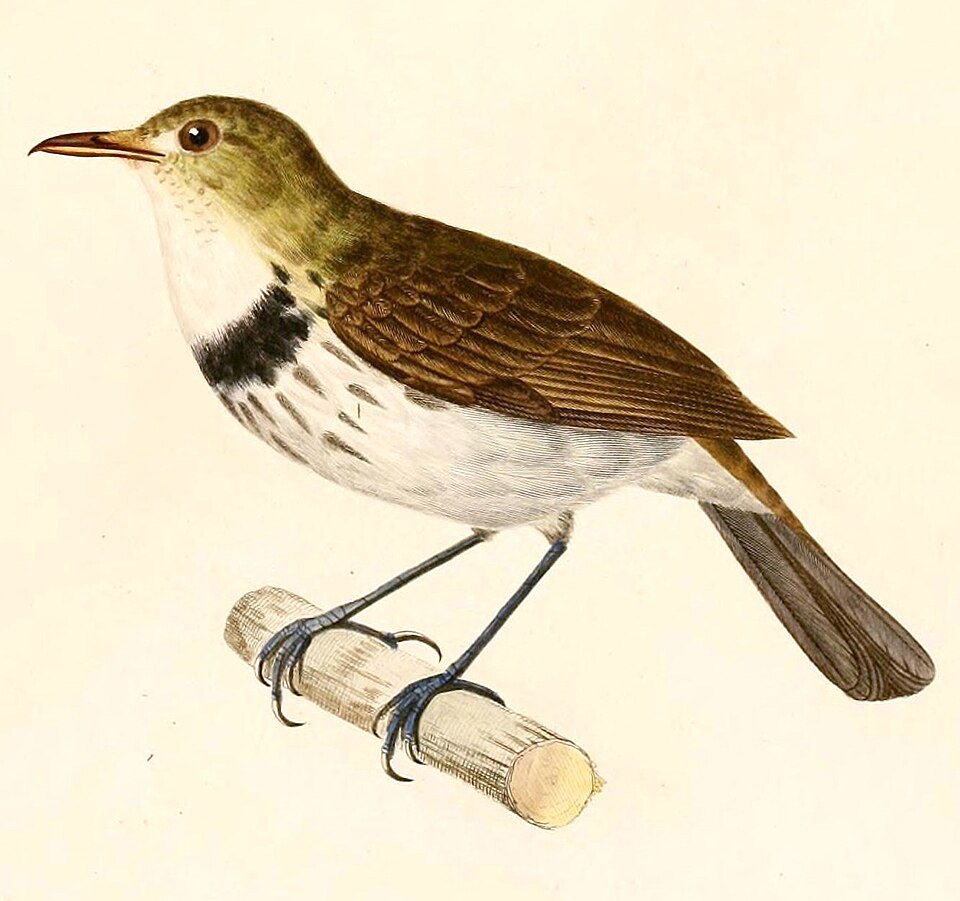 Southern Antpipit
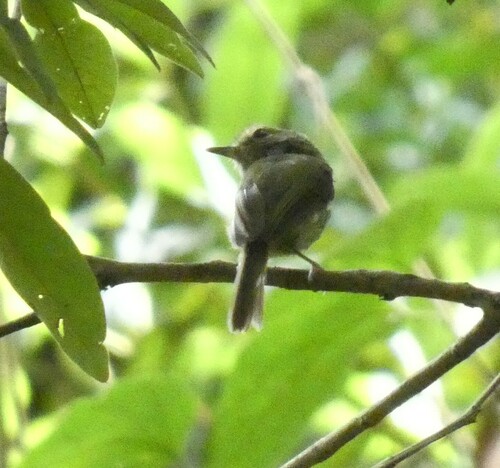 Drab-breasted Pygmy-Tyrant
In breve
Il segno distintivo più affidabile per separare il Southern Antpipit dal Drab-breasted Pygmy-Tyrant è il bold black breast 'necklace' e i fianchi striati dell'antpipit, rispetto al petto semplice e grigio opaco del pygmy-tyrant con solo un debole crescente bianco. Il Southern Antpipit è anche nettamente più grande e con zampe più lunghe, con un volto e parti inferiori più chiare e contrastanti, mentre il Drab-breasted Pygmy-Tyrant è più piccolo, più compatto e complessivamente di un verde oliva più scuro. Entrambe le specie possono mostrare macchie chiare sul volto, ma quelle dell'antpipit sono più deboli e meno definite. Sul campo, presta particolare attenzione al modello delle parti inferiori, alla dimensione complessiva e al jizz a terra o nella vegetazione bassa.
Consigli di identificazione
- Bold black breast necklace: Il Southern Antpipit mostra sempre una spessa banda nera quasi completa sul petto con strisce nere lungo i fianchi. Il Drab-breasted Pygmy-Tyrant non mostra mai questo; il suo petto è semplicemente grigio opaco con solo un debole crescente bianco.
- Underpart contrast: L'antpipit ha principalmente parti inferiori bianche con una gola cremosa e marcature nere chiare; il pygmy-tyrant è più opaco, con petto e gola grigiastri, e solo un sottile crescente bianco.
- Facial pattern: Il pygmy-tyrant ha una distintiva macchia bianca sopra le lore e un anello oculare bianco ben definito, entrambi in evidenza su un volto di un verde oliva scuro. Le macchie facciali dell'antpipit sono molto più deboli e mancano di un forte anello oculare.
- Upperpart color: L'antpipit è oliva sopra con una corona grigio-oliva, mentre il pygmy-tyrant è più scuro, di un verde oliva uniforme, compresa la corona.
- Bill color: L'antpipit ha un mandibola superiore nerastro e una mandibola inferiore di un rosa pallido con una base gialla a rosa-arancio. Il becco del pygmy-tyrant è grigio sopra e rosa sotto, ma questo è sottile e raramente diagnostico sul campo.
- Legs: L'antpipit ha lunghe zampe grigio-rosa pallido, conferendogli un aspetto slanciato e eretto. Le zampe del pygmy-tyrant sono grigie chiare e più corte, in linea con la sua forma compatta.
- Size and structure: L'antpipit è più grande e più slanciato (13–14 cm, 14–18 g), con una coda e zampe più lunghe; il pygmy-tyrant è più piccolo, più rotondo e più compatto (11 cm, 9.5–13.5 g).
- Behavior: Se l'uccello sta camminando a terra o lungo tronchi, muovendo la testa e la coda, è quasi certamente un antpipit. Se è posato in bambù o vegetazione densa, specialmente sopra il suolo, è più probabile che sia un pygmy-tyrant.
- Wing and tail pattern: Nessuna delle due specie mostra forti bande o pannelli sulle ali, ma il pygmy-tyrant può mostrare bordi più chiari sulle secondarie più interne; questo è sottile e non è un segno distintivo primario.
- Iris color: L'antpipit ha un'iride di un marrone medio a scuro; quella del pygmy-tyrant è marrone rossiccio. Questo è raramente visibile sul campo.
- Habitat: L'antpipit preferisce il suolo della foresta e tronchi bassi in foreste umide; il pygmy-tyrant è più spesso in cespugli di bambù o vegetazione densa.
- Sex and age: Entrambe le specie sono sessualmente monomorfiche e i giovani somigliano agli adulti, quindi età e sesso non sono utili per la separazione.
- Plumage pitfalls: In scarsa illuminazione, il petto grigio del pygmy-tyrant può apparire più chiaro, ma non mostra mai il collare nero o le striature dell'antpipit. Le deboli macchie facciali dell'antpipit non devono essere confuse con il forte anello oculare del pygmy-tyrant.
- Context: Se visto da solo e a terra, favorire l'antpipit; se in coppie o gruppi sciolti in bambù, favorire il pygmy-tyrant.
- Flight views: Nessuna delle due specie ha modelli distintivi di ali o coda in volo, quindi fare affidamento su dimensione, struttura e contrasto delle parti inferiori.
Taglia
Il Southern Antpipit è notevolmente più grande (13–14 cm, 14–18 g) rispetto al Drab-breasted Pygmy-Tyrant (circa 11 cm, 9.5–13.5 g). L'antpipit ha anche zampe più lunghe e più chiare, conferendogli una postura più eretta. Sul campo, l'antpipit appare più slanciato e con zampe più lunghe, mentre il pygmy-tyrant è compatto e con zampe più corte. Questa differenza di dimensione è solitamente evidente quando entrambi sono visti in contesti simili, come il suolo della foresta o posatoi bassi.
Piumaggio
- Juvenile/immature plumage: I giovani di entrambe le specie somigliano agli adulti, quindi i segni specifici per l'età sulle ali o sulle parti superiori non sono un separatore primario qui.
- Southern Antpipit (tutte le età): Mostra un bold, quasi solido black breast 'necklace' con strisce nere che scendono lungo i fianchi. Le parti inferiori sono principalmente bianche, con un mento e una gola bianchi cremosi. Il volto è di un grigio-oliva pallido con deboli macchie bianche (non un forte anello oculare). Le parti superiori, le ali e la coda sono olive, la corona è grigio-oliva. Nessuna forte banda o pannelli sulle ali. Iride di un marrone medio a scuro, becco nerastro sopra, rosa pallido sotto, zampe lunghe e grigio-rosa pallido.
- Drab-breasted Pygmy-Tyrant (tutte le età): Mancano di qualsiasi collare nero o striature. Il petto e la gola sono grigi opachi con una sfumatura rosa o purpurea, separati da un debole crescente bianco (non una banda). Il ventre e il crissum sono bianchi, a volte con una sfumatura giallastra. Il volto mostra una macchia bianca sopra le lore e un anello oculare bianco, in evidenza su un volto di un verde oliva scuro. Le parti superiori, la corona, le ali e la coda sono di un verde oliva scuro semplice; le secondarie più interne possono avere bordi più chiari. Iride marrone rossiccio, becco grigio sopra, rosa sotto, zampe grigie chiare. Complessivamente, il pygmy-tyrant è più semplice e più scuro, con meno contrasto e senza marcature audaci sul petto.
Comportamento
Il Southern Antpipit è quasi sempre visto camminare lentamente sul suolo della foresta o lungo tronchi caduti, spesso muovendo la testa e la coda, e raramente si posa sopra il suolo. Si nutre da solo e non si unisce mai a stormi di specie miste. Il Drab-breasted Pygmy-Tyrant è più probabile essere visto posato in bambù o vegetazione bassa, a volte più in alto, e non mostra lo stesso comportamento di camminata a terra. I suoi movimenti sono più tipici di un piccolo tiranno: brevi salti e rapidi balzi. Le lunghe zampe dell'antpipit e le sue abitudini terrestri sono distintive.
Habitat
Entrambe le specie si sovrappongono nell'areale (Argentina, Brasile, Paraguay) e si trovano in habitat forestali, ma il Southern Antpipit è fortemente legato al suolo della foresta e agli strati inferiori, specialmente nelle foreste umide. Il Drab-breasted Pygmy-Tyrant è più strettamente associato a cespugli di bambù e vegetazione densa, spesso un po' più in alto dal suolo. Se vedi un uccello che si nutre a terra o su tronchi, è molto più probabile che sia un antpipit; se in bambù denso o in arbusti bassi, è favorito il pygmy-tyrant.
Southern Antpipit · Drab-breasted Pygmy-Tyrant · I miei uccelli difficili