

Motmot

ミナミタヒバリタイランチョウ 対 コビトドリモドキ

Corythopis delalandi 対 Hemitriccus diops

ミナミタヒバリタイランチョウとコビトドリモドキのクイズ
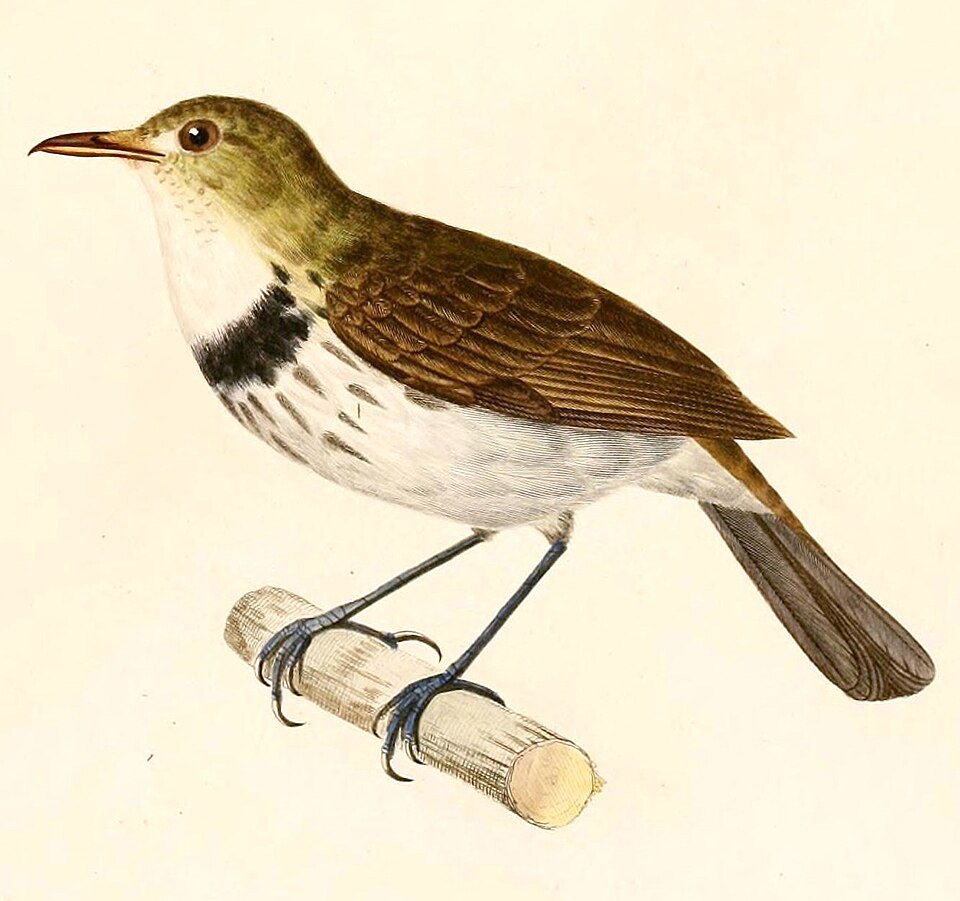
ミナミタヒバリタイランチョウ (Corythopis delalandi) ミナミタヒバリタイランチョウ
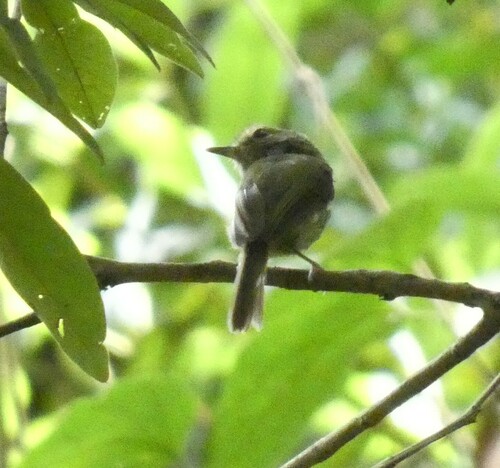
コビトドリモドキ (Hemitriccus diops) コビトドリモドキ

メディア

読み込み中…

要点

ミナミタヒバリタイランチョウとコビトドリモドキを区別する最も信頼できるフィールドマークは、ミナミタヒバリタイランチョウの太くて黒い胸の「ネックレス」と縞模様の脇腹であり、コビトドリモドキは平坦で地味な灰色の胸にわずかな白い三日月しか持っていません。ミナミタヒバリタイランチョウは明らかに大きく、脚も長く、顔と腹部はより淡く、コントラストが強いのに対し、コビトドリモドキは小さく、よりコンパクトで、全体的に暗いオリーブグリーンです。両種とも顔に淡い斑点を示すことがありますが、ミナミタヒバリタイランチョウのものはより淡く、定義が弱いです。フィールドでは、特に腹部の模様、全体のサイズ、地面や低い植生での姿勢に注意を払ってください。

識別のコツ

  1. 太くて黒い胸のネックレス: ミナミタヒバリタイランチョウは常に胸に厚く、ほぼ完全な黒いバンドを示し、脇腹には黒い縞模様があります。コビトドリモドキはこれを示さず、胸は平坦で鈍い灰色で、わずかな白い三日月しかありません。
  2. 腹部のコントラスト: ミナミタヒバリタイランチョウは主に白い腹部を持ち、クリーミーな喉と明確な黒いマーキングがあります。コビトドリモドキは鈍く、灰色の胸と喉を持ち、わずかな白い三日月しかありません。
  3. 顔の模様: コビトドリモドキは、ロアの上に明確な白い斑点とよく目立つ白いアイリングを持ち、暗いオリーブ色の顔に際立っています。ミナミタヒバリタイランチョウの顔の斑点ははるかに淡く、強いアイリングが欠けています。
  4. 上面の色: ミナミタヒバリタイランチョウは上面がオリーブ色で、灰色がかったオリーブ色の冠を持ち、コビトドリモドキはより暗く、均一にオリーブグリーンで、冠も含まれます。
  5. くちばしの色: ミナミタヒバリタイランチョウは黒っぽい上顎と淡いピンクがかった下顎を持ち、基部は黄色からピンクがかったオレンジです。コビトドリモドキのくちばしは上が灰色で下がピンクがかっていますが、これは微妙でフィールドでは診断的ではありません。
  6. 脚: ミナミタヒバリタイランチョウは長く、淡い灰色がかったピンクの脚を持ち、直立した印象を与えます。コビトドリモドキの脚は淡い灰色で短く、コンパクトな形状に合っています。
  7. サイズと構造: ミナミタヒバリタイランチョウは大きく、細長い(13–14 cm、14–18 g)、尾と脚が長いです。コビトドリモドキは小さく、丸みを帯び、よりコンパクト(11 cm、9.5–13.5 g)です。
  8. 行動: 鳥が地面や倒れた丸太の上を歩き、頭と尾を上下に振っている場合、ほぼ確実にミナミタヒバリタイランチョウです。もし竹や密な低木に止まっている場合、特に地面の上にいる場合は、コビトドリモドキの可能性が高いです。
  9. 翼と尾の模様: 両種とも強い翼帯やパネルを示しませんが、コビトドリモドキは最も内側の二次羽に淡いエッジを示すことがあります。これは微妙で、主要なフィールドマークではありません。
  10. 虹彩の色: ミナミタヒバリタイランチョウは中程度から暗い茶色の虹彩を持ち、コビトドリモドキは赤褐色です。これはフィールドではほとんど見えません。
  11. 生息地: ミナミタヒバリタイランチョウは湿った森林の森林床や低い丸太を好み、コビトドリモドリモドキはより頻繁に竹の茂みや密な低木にいます。
  12. 性別と年齢: 両種は性別が同形で、幼鳥は成鳥に似ているため、年齢や性別は区別には役立ちません。
  13. 羽毛の落とし穴: 照明が悪いと、コビトドリモドキの灰色の胸がより淡く見えることがありますが、ミナミタヒバリタイランチョウの黒いネックレスや縞模様は決して示しません。ミナミタヒバリタイランチョウの淡い顔の斑点は、コビトドリモドリモドキの強いアイリングと混同しないでください。
  14. 文脈: もし単独で地面に見られた場合は、ミナミタヒバリタイランチョウを優先してください。もしペアや緩い群れで竹の中にいる場合は、コビトドリモドリモドキを優先してください。
  15. 飛行時の視点: 両種とも飛行中に特異な翼や尾の模様はありませんので、サイズ、構造、腹部のコントラストに頼ってください。

大きさ

ミナミタヒバリタイランチョウはコビトドリモドキ(約11 cm、9.5–13.5 g)よりも明らかに大きい(13–14 cm、14–18 g)です。ミナミタヒバリタイランチョウは脚が長く、より淡い印象を与え、より直立した姿勢を持っています。フィールドでは、ミナミタヒバリタイランチョウは細長く、脚が長いように見え、コビトドリモドキはコンパクトで脚が短いです。このサイズの違いは、両者が森林床や低い止まり木などの類似の文脈で見られるときに通常明らかです。

羽色

行動

ミナミタヒバリタイランチョウはほぼ常に森林の床や倒れた丸太の上をゆっくり歩いているのが見られ、しばしば頭と尾を上下に振り、地面の上に止まることはほとんどありません。単独で餌を探し、混成種の群れには決して参加しません。コビトドリモドキは、低い竹や低木に止まっているのが見られる可能性が高く、時には高いところにいて、同じ地面を歩く行動を示しません。その動きは小さなタイランチョウの典型的なもので、短いサリーと素早いホップを行います。ミナミタヒバリタイランチョウの長い脚と地上での習性は特徴的です。

生息環境

両種は分布が重なり(アルゼンチン、ブラジル、パラグアイ)、森林の生息地に生息しますが、ミナミタヒバリタイランチョウは湿った森林の森林床や下層に強く結びついています。コビトドリモドキは竹の茂みや密な低木により密接に関連しており、しばしば地面から少し高いところにいます。地面や丸太の上で餌を探している鳥を見た場合、ミナミタヒバリタイランチョウの可能性が高く、密な竹や低い低木にいる場合はコビトドリモドキが優先されます。

より良い説明を送る

比較と同じ項目を使ってください。文章はすぐに公開されます。

The most reliable field mark to separate Southern Antpipit from Drab-breasted Pygmy-Tyrant is the bold black breast 'necklace' and streaked flanks of the antpipit, versus the pygmy-tyrant's plain, drab gray breast with only a faint white crescent. Southern Antpipit is also distinctly larger and longer-legged, with a paler, more contrasting face and underparts, while Drab-breasted Pygmy-Tyrant is smaller, more compact, and overall darker olive-green. Both species can show pale spots on the face, but the antpipit's is fainter and less defined. In the field, pay special attention to underpart pattern, overall size, and jizz on the ground or in low vegetation.

  1. Bold black breast necklace: Southern Antpipit always shows a thick, nearly complete black band across the breast with black streaks down the flanks. Drab-breasted Pygmy-Tyrant never shows this; its breast is plain dull gray with only a faint white crescent.
  2. Underpart contrast: Antpipit has mostly white underparts with a creamy throat and clear black markings; pygmy-tyrant is duller, with grayish breast and throat, and only a subtle white crescent.
  3. Facial pattern: Pygmy-tyrant has a distinct white spot above the lores and a well-marked white eyering, both standing out on a dark olive face. Antpipit's facial spots are much fainter and lack a strong eyering.
  4. Upperpart color: Antpipit is olive above with a grayish-olive crown, while pygmy-tyrant is darker, more uniformly olive-green, including the crown.
  5. Bill color: Antpipit has a blackish upper mandible and a pale pinkish lower mandible with a yellow to pinkish-orange base. Pygmy-tyrant's bill is gray above and pinkish below, but this is subtle and rarely diagnostic in the field.
  6. Legs: Antpipit has long, pale grayish-pink legs, giving it a stilted, upright look. Pygmy-tyrant's legs are light gray and shorter, matching its compact shape.
  7. Size and structure: Antpipit is larger and lankier (13–14 cm, 14–18 g), with a longer tail and legs; pygmy-tyrant is smaller, rounder, and more compact (11 cm, 9.5–13.5 g).
  8. Behavior: If the bird is walking on the ground or along logs, bobbing its head and tail, it's almost certainly an antpipit. If perched in bamboo or dense undergrowth, especially above ground, pygmy-tyrant is more likely.
  9. Wing and tail pattern: Neither species shows strong wingbars or panels, but pygmy-tyrant may show paler edges on innermost secondaries; this is subtle and not a primary field mark.
  10. Iris color: Antpipit has a medium to dark brown iris; pygmy-tyrant's is reddish brown. This is rarely visible in the field.
  11. Habitat: Antpipit prefers forest floor and low logs in humid forest; pygmy-tyrant is more often in bamboo thickets or dense undergrowth.
  12. Sex and age: Both species are sexually monomorphic and juveniles resemble adults, so age and sex are not helpful for separation.
  13. Plumage pitfalls: In poor light, pygmy-tyrant's gray breast may look paler, but it never shows the black necklace or streaks of antpipit. Antpipit's faint facial spots should not be confused with the pygmy-tyrant's strong eyering.
  14. Context: If seen alone and on the ground, favor antpipit; if in pairs or loose groups in bamboo, favor pygmy-tyrant.
  15. Flight views: Neither species has distinctive wing or tail patterns in flight, so rely on size, structure, and underpart contrast.

Southern Antpipit is noticeably larger (13–14 cm, 14–18 g) than Drab-breasted Pygmy-Tyrant (about 11 cm, 9.5–13.5 g). The antpipit also has longer, paler legs, giving it a more upright stance. In the field, the antpipit appears lankier and longer-legged, while the pygmy-tyrant is compact and short-legged. This size difference is usually apparent when both are seen in similar contexts, such as forest floor or low perches.

  • Juvenile/immature plumage: Both species' juveniles resemble adults, so age-specific wing or upperpart marks are not a primary separator here.
  • Southern Antpipit (all ages): Shows a bold, almost solid black breast 'necklace' with black streaks running down the flanks. Underparts are mostly white, with creamy white chin and throat. The face is pale grayish-olive with faint whitish spots (not a strong eyering). Upperparts, wings, and tail are olive, crown grayish-olive. No strong wingbars or panels. Iris medium to dark brown, bill blackish above, pale pinkish below, legs long and pale grayish-pink.
  • Drab-breasted Pygmy-Tyrant (all ages): Lacks any black necklace or streaking. Breast and throat are dull gray with a pinkish or purplish tinge, separated by a faint white crescent (not a band). Belly and crissum are whitish, sometimes with a yellowish tinge. Face shows a white spot above the lores and a white eyering, standing out on a dark olive-green face. Upperparts, crown, wings, and tail are plain dark olive-green; innermost secondaries may have paler edges. Iris reddish brown, bill gray above, pinkish below, legs light gray. Overall, the pygmy-tyrant is plainer and darker, with less contrast and no bold breast markings.

Southern Antpipit is almost always seen walking slowly on the forest floor or along downed logs, often bobbing its head and tail, and rarely perches above ground. It forages alone and never joins mixed-species flocks. Drab-breasted Pygmy-Tyrant is more likely to be seen perched in low bamboo or undergrowth, sometimes higher, and does not show the same ground-walking behavior. Its movements are more typical of a small tyrant flycatcher: short sallies and quick hops. The antpipit's long legs and terrestrial habits are distinctive.

Both species overlap in range (Argentina, Brazil, Paraguay) and occur in forested habitats, but Southern Antpipit is strongly tied to the forest floor and lower strata, especially in humid forests. Drab-breasted Pygmy-Tyrant is more closely associated with bamboo thickets and dense undergrowth, often a bit higher off the ground. If you see a bird foraging on the ground or on logs, antpipit is much more likely; if in dense bamboo or low shrubs, pygmy-tyrant is favored.

変更を破棄しますか?

保存していない編集があります。今離れると失われます。

ミナミタヒバリタイランチョウ · コビトドリモドキ · 苦手な鳥