

Planaltomuisspecht vs Witkeelmuisspecht
Dendrocolaptes platyrostris versus Xiphocolaptes albicollis
Speel een quiz met Planaltomuisspecht en Witkeelmuisspecht
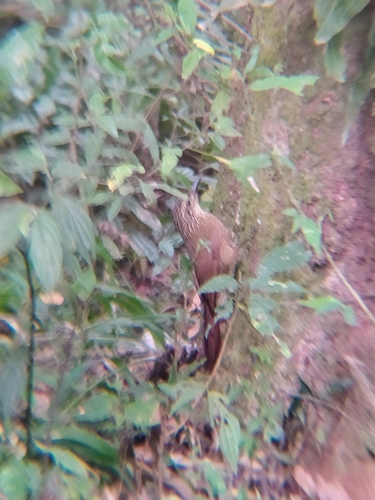 Planaltomuisspecht
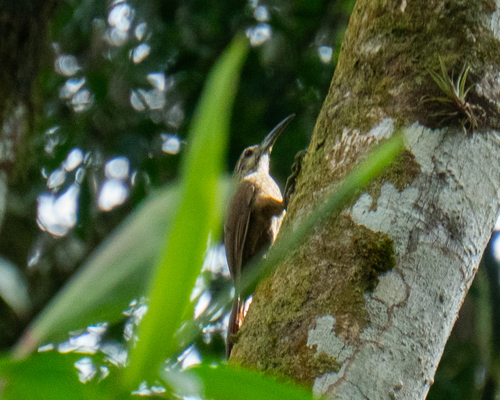 Witkeelmuisspecht
Kort gezegd
Het meest betrouwbare veldkenmerk tussen Planaltomuisspecht en Witkeelmuisspecht is de algehele structuur: Witkeel is veel robuuster, met een zwaar lichaam, een kortere staart en een zeer lange, sterk gebogen snavel, terwijl Planaltomuisspecht slanker is met een rechter, middelgrote snavel en een langere staart. Beide tonen gedurfde lichte strepen op de kroon en borst, maar Witkeel heeft een opvallende witte keel en een zwaardere snavel, terwijl de keel van Planaltomuisspecht slechts vaag gestreept is en zijn snavel slanker is. In de vlucht of zittend, let op de zwaardere bouw en kortere staart van de Witkeel. Juveniele Witkeels tonen roestig-gele kroonvlekken, een kenmerk dat niet aanwezig is bij Planaltomuisspecht. Beide soorten overlappen in verspreiding en habitat, dus zorgvuldige aandacht voor structuur en keelkleur is essentieel.
Herkenningstips
- Snavelvorm en lengte: Witkeelmuisspecht heeft een zeer lange, sterk gebogen snavel, terwijl de snavel van Planaltomuisspecht middelgroot en recht is. Dit is een belangrijk veldkenmerk op elke leeftijd of seizoen.
- Lichaamsgrootte en bulk: Witkeel is bijna twee keer zo zwaar als Planaltomuisspecht en lijkt veel robuuster, met een zwaar lichaam en een kortere staart. Planaltomuisspecht is slanker en meer langgerekt, met een langere staart.
- Keelkleur: Witkeel heeft een heldere witte tot buffkleurige keel die opvalt tegen zijn donkere gezicht; de keel van Planaltomuisspecht is witachtig maar minder duidelijk, met vage strepen en vlekken, die meer in de borst opgaan.
- Kroonstreping: Beide hebben lichte strepen op een donkere kroon, maar de strepen van Witkeel zijn breder en crème tot buffkleurig, terwijl die van Planaltomuisspecht buffkleurig en iets minder gedurfd zijn.
- Juveniele kroonvlekken: Alleen de juvenile Witkeel toont roestig-gele vlekken op de kroon; juveniele Planaltomuisspechten missen dit kenmerk.
- Borst- en buikpatroon: De borststrepen van Witkeel zijn gedurfd, licht en omrand met donker, en zijn buik en onderstaartdekveren hebben duidelijke donkere strepen. De strepen van Planaltomuisspecht zijn sterk maar minder breed, en zijn buikstreepjes zijn dunner en minder contrasterend.
- Rug- en staartkleur: De rug en het achterste van Planaltomuisspecht zijn olijfbruin met dunne buffkleurige strepen; de rug van Witkeel is bruinachtig olijf met vage strepen en een roestige kastanjebruine achterste.
- Staartkleur: Beide hebben kastanjebruine staarten, maar de staart van Witkeel is donkerder met donkere schachten, terwijl die van Planaltomuisspecht doffer kastanjebruin is.
- Gezichtspatroon: Witkeel heeft een complexer gezichtspatroon, met een lichte supercilium en snorstrepen, een donkere post-oculaire streep en een zwartachtige wang; het gezicht van Planaltomuisspecht is vaal met gedurfde buffkleurige strepen en slechts een vage supercilium.
- Iris kleur: De iris van Witkeel kan rood tot bruin zijn, terwijl die van Planaltomuisspecht bruin is. Dit is subtiel en niet altijd zichtbaar in het veld.
- Pootkleur: Beide hebben donkere poten, maar die van Planaltomuisspecht zijn groenachtig grijs tot zwart, terwijl die van Witkeel zeer variabel maar over het algemeen donker zijn. Dit is geen primair veldkenmerk.
- Subspeciesvariatie: Wees je ervan bewust dat er lichtere ondersoorten bestaan in beide soorten, maar de keelkleur en snavelvorm blijven betrouwbaar.
- Vluchtjizz: In de vlucht lijkt Witkeel zwaar en kortstaartig, terwijl Planaltomuisspecht slanker en langerstaartig lijkt.
- Habitatoverlap: Vertrouw niet op habitat of verspreiding voor scheiding, aangezien beide soorten samen voorkomen in een groot deel van hun verspreiding.
- Stem: Niet beschreven in de notities; gebruik dit niet voor scheiding tenzij je bekend bent met lokale roepen.
Grootte
Witkeelmuisspecht is veel groter en zwaarder, met een gemiddelde van 120 g en 27,5–33 cm in lengte, vergeleken met de 58 g en 25–27 cm van Planaltomuisspecht. In het veld lijkt Witkeel robuuster, met een merkbaar zwaarder lichaam en een kortere staart in verhouding tot zijn grootte. Planaltomuisspecht is slanker en meer langgerekt, met een proportioneel langere staart. Het verschil in snavelvorm is ook duidelijk: de snavel van Witkeel is lang en sterk gebogen, terwijl die van Planaltomuisspecht middelgroot en recht is. Als beide samen worden gezien, is het verschil in grootte en bulk opvallend.
Verenkleed
- Juvenielen: Alleen juveniele Witkeelmuisspechten hebben roestig-gele vlekken op de kroon en een kortere snavel; juveniele Planaltomuisspechten worden niet beschreven als deze kenmerken te hebben.
- Volwassenen: Beide soorten hebben zwartachtige kronen met gedurfde lichte strepen, maar de strepen van Witkeel zijn crème tot buffkleurig en prominenter. De keel is diagnostisch: Witkeel heeft een witte tot buffkleurige keel, die scherp contrasteert met het donkere gezicht, terwijl de keel van Planaltomuisspecht witachtig maar minder duidelijk is, met vage strepen en vlekken. Op de onderdelen hebben beide gedurfde lichte strepen op de borst, maar die van Witkeel zijn breder en hebben donkere randen, en zijn buik en onderstaartdekveren vertonen duidelijke donkere strepen. De buik en flanken van Planaltomuisspecht zijn buffbruin met dunne zwartachtige strepen, minder contrasterend. De rug en het achterste van Planaltomuisspecht zijn olijfbruin met dunne buffkleurige strepen, terwijl de rug van Witkeel bruinachtig olijf is met vage strepen en een roestige kastanjebruine achterste. De staart van beide is kastanjebruin, maar de staart van Witkeel is donkerder met donkere schachten. Variatie tussen ondersoorten kan de algehele bleekheid en intensiteit van de strepen beïnvloeden, maar de keel en snavel blijven betrouwbaar.
Gedrag
Beide soorten zijn muisspechten en vertonen vergelijkbaar foerageergedrag, waarbij ze boomstammen en takken beklimmen. Echter, de zwaardere bouw en kortere staart van Witkeel kunnen ervoor zorgen dat zijn bewegingen zwaarder lijken in vergelijking met de slanker, langerstaartige Planaltomuisspecht. In de vlucht lijkt Witkeel robuuster en minder behendig, terwijl Planaltomuisspecht gestroomlijnder lijkt. Beide soorten zijn doorgaans solitair of in paren en kunnen zich bij gemengde soortenflocks voegen, maar dit is geen betrouwbare scheidingsfactor.
Habitat
Beide soorten overlappen in verspreiding (Argentinië, Brazilië, Paraguay) en worden aangetroffen in vergelijkbare bosachtige habitats. Habitat alleen is niet diagnostisch tussen hen, aangezien beide voorkomen in bossen en bosgebieden binnen hun overlappende verspreidingen.
Planaltomuisspecht · Witkeelmuisspecht · Mijn lastige vogels