

Planalto Woodcreeper vs White-throated Woodcreeper
Dendrocolaptes platyrostris contro Xiphocolaptes albicollis
Fai un quiz con Planalto Woodcreeper e White-throated Woodcreeper
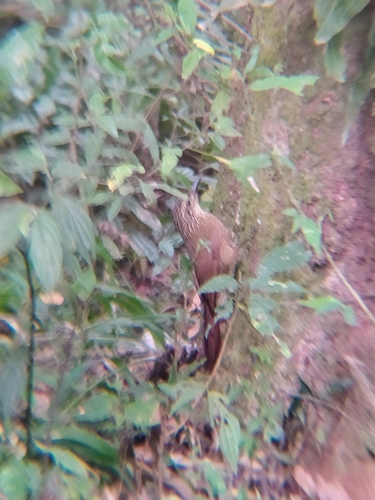 Planalto Woodcreeper
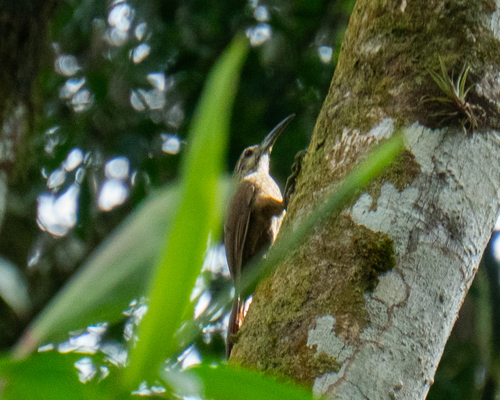 White-throated Woodcreeper
In breve
Il segno di campo più affidabile tra il Planalto Woodcreeper e il White-throated Woodcreeper è la struttura generale: il White-throated è molto più robusto, con un corpo pesante, una coda più corta e un becco molto lungo e fortemente ricurvo, mentre il Planalto è più snello con un becco dritto di lunghezza media e una coda più lunga. Entrambi mostrano strisce chiare e audaci sulla corona e sul petto, ma il White-throated ha una gola bianca sorprendente e un becco più pesante, mentre la gola del Planalto è solo debolmente striata e il suo becco è più snello. In volo o posato, nota la costruzione più pesante del White-throated e la sua coda più corta. I giovani White-throated mostrano macchie di corona giallo-rossastre, una caratteristica assente nel Planalto. Entrambe le specie si sovrappongono in gamma e habitat, quindi è essenziale prestare attenzione alla struttura e al colore della gola.
Consigli di identificazione
- Bill shape and length: Il White-throated Woodcreeper ha un becco molto lungo e fortemente ricurvo, mentre il becco del Planalto è di lunghezza media e dritto. Questo è un segno di campo chiave a qualsiasi età o stagione.
- Body size and bulk: Il White-throated è quasi due volte più pesante del Planalto e appare molto più robusto, con un corpo pesante e una coda piuttosto corta. Il Planalto è più snello e più allungato, con una coda più lunga.
- Throat color: Il White-throated ha una gola bianca brillante a bianca sporca che spicca contro il suo viso scuro; la gola del Planalto è biancastra ma meno distintiva, con striature e maculature deboli, che si fondono di più con il petto.
- Crown streaking: Entrambi hanno strisce chiare su una corona scura, ma quelle del White-throated sono più ampie e di colore crema a buff, mentre quelle del Planalto sono di colore buff e leggermente meno audaci.
- Juvenile crown spots: Solo i giovani White-throated mostrano macchie giallo-rossastre sulla corona; i giovani del Planalto non presentano questa caratteristica.
- Breast and belly pattern: Le strisce del petto del White-throated sono audaci, chiare e bordate di scuro, e il suo ventre e le copritrici della coda hanno barre scure distinte. Le strisce del Planalto sono forti ma meno ampie, e le barre del suo ventre sono più sottili e meno contrastanti.
- Back and rump color: Il dorso e il posteriore del Planalto sono di colore oliva-marrone con sottili strisce buff; il dorso del White-throated è brownish olive con faint streaks e un rusty chestnut rump.
- Tail color: Entrambi hanno chestnut tails, ma quella del White-throated è più scura con dark shafts, mentre quella del Planalto è duller chestnut.
- Face pattern: Il White-throated ha un modello facciale più complesso, con un pale supercilium e moustachial stripe, una dark post-ocular stripe, e una blackish cheek; il viso del Planalto è scuro con bold buffy streaks e solo un faint supercilium.
- Iris color: L'iride del White-throated può essere rossa o marrone, mentre quella del Planalto è marrone. Questo è sottile e non sempre visibile sul campo.
- Leg color: Entrambi hanno zampe scure, ma quelle del Planalto sono grigio-verdi a nere, mentre quelle del White-throated sono altamente variabili ma generalmente scure. Non è un segno di campo primario.
- Subspecies variation: Fai attenzione che esistono sottospecie più chiare in entrambe le specie, ma il colore della gola e la forma del becco rimangono affidabili.
- Flight jizz: In volo, il White-throated appare pesante e con una coda corta, mentre il Planalto appare più snello e con una coda più lunga.
- Habitat overlap: Non fare affidamento su habitat o gamma per la separazione, poiché entrambe le specie si trovano insieme in gran parte della loro gamma.
- Voice: Non descritta nelle note; non usarla per la separazione a meno che non si sia familiari con i richiami locali.
Taglia
Il White-throated Woodcreeper è molto più grande e pesante, con una media di 120 g e 27,5–33 cm di lunghezza, rispetto ai 58 g e 25–27 cm del Planalto. Sul campo, il White-throated appare più robusto, con un corpo visibilmente più pesante e una coda più corta rispetto alla sua dimensione. Il Planalto è più snello e più allungato, con una coda proporzionalmente più lunga. La differenza nella forma del becco è anche evidente: il becco del White-throated è lungo e fortemente ricurvo, mentre quello del Planalto è di lunghezza media e dritto. Se entrambi vengono visti insieme, la differenza di dimensione e robustezza è sorprendente.
Piumaggio
- Juveniles: Solo i giovani White-throated Woodcreeper hanno macchie giallo-rossastre sulla corona e un becco più corto; i giovani del Planalto non sono descritti come aventi queste caratteristiche.
- Adults: Entrambe le specie hanno corone nerastre con strisce chiare e audaci, ma le strisce del White-throated sono di colore crema a buff e più prominenti. La gola è diagnostica: il White-throated ha una gola bianca a bianca sporca, in netto contrasto con il viso più scuro, mentre la gola del Planalto è biancastra ma meno distintiva, con striature e maculature deboli. Sulle parti inferiori, entrambi hanno strisce chiare e audaci sul petto, ma quelle del White-throated sono più ampie e hanno bordi scuri, e il suo ventre e le copritrici della coda mostrano barre scure distinte. Il ventre e i fianchi del Planalto sono di un marrone buff con sottili barre nerastre, meno contrastanti. Il dorso e il posteriore del Planalto sono di un oliva-marrone con sottili strisce buff, mentre il dorso del White-throated è di un oliva marrone con striature deboli e un posteriore castano ruggine. La coda di entrambi è castana, ma quella del White-throated è più scura con fusti scuri. La variazione delle sottospecie può influenzare la chiarezza generale e l'intensità delle striature, ma la gola e il becco rimangono affidabili.
Comportamento
Entrambe le specie sono woodcreepers e mostrano un comportamento di foraggiamento simile, arrampicandosi sui tronchi e sui rami degli alberi. Tuttavia, la costruzione più pesante del White-throated e la sua coda più corta possono far apparire i suoi movimenti più ponderosi rispetto al Planalto, più snello e con una coda più lunga. In volo, il White-throated appare più robusto e meno agile, mentre il Planalto appare più aerodinamico. Entrambe le specie sono tipicamente solitarie o in coppie e possono unirsi a stormi di specie miste, ma questo non è un punto di separazione affidabile.
Habitat
Entrambe le specie si sovrappongono in gamma (Argentina, Brasile, Paraguay) e si trovano in habitat boschivi simili. L'habitat da solo non è diagnostico tra di loro, poiché entrambe si trovano in foreste e boschi all'interno delle loro gamme sovrapposte.
Planalto Woodcreeper · White-throated Woodcreeper · I miei uccelli difficili