

Motmot

コバシオニキバシリ 対 ノドジロオニキバシリ

Dendrocolaptes platyrostris 対 Xiphocolaptes albicollis

コバシオニキバシリとノドジロオニキバシリのクイズ
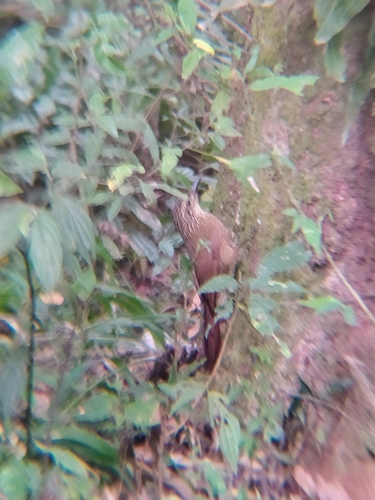
コバシオニキバシリ (Dendrocolaptes platyrostris) コバシオニキバシリ
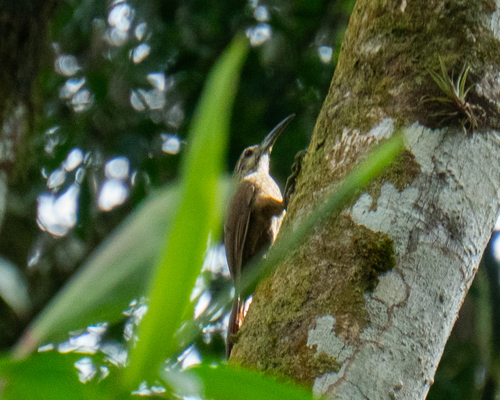
ノドジロオニキバシリ (Xiphocolaptes albicollis) ノドジロオニキバシリ

メディア

読み込み中…

要点

プラナルトオニキバシリとノドジロオニキバシリの最も信頼できるフィールドマークは全体の構造です:ノドジロはずっとずんぐりしており、重い体、短い尾、非常に長く、強く湾曲したくちばしを持っていますが、プラナルトはスリムで、まっすぐな中程度の長さのくちばしと長い尾を持っています。両者は頭頂と胸に大胆な淡い縞模様を示しますが、ノドジロは目を引く白い喉と重いくちばしを持ち、プラナルトの喉はわずかに縞模様があり、くちばしはより細いです。飛んでいる時や止まっている時、ノドジロの重い体格と短い尾に注意してください。幼鳥のノドジロは錆びた黄色の頭頂斑を示し、これはプラナルトには見られません。両種は分布域と生息地が重なっているため、構造と喉の色に注意を払うことが重要です。

識別のコツ

  1. Bill shape and length: ノドジロオニキバシリは非常に長く、強く湾曲したくちばしを持っていますが、プラナルトのくちばしは中程度の長さでまっすぐです。これはどの年齢や季節でも重要なフィールドマークです。
  2. Body size and bulk: ノドジロはプラナルトのほぼ2倍の重さで、ずんぐりしており、重い体と短めの尾を持っています。プラナルトはスリムでより細長く、長い尾を持っています。
  3. Throat color: ノドジロは暗い顔に対して際立つ明るい白からバフィホワイトの喉を持っていますが、プラナルトの喉は白っぽいですが、あまり目立たず、淡い縞模様とまだら模様があり、胸により溶け込んでいます。
  4. Crown streaking: 両者は暗い頭頂に淡い縞模様がありますが、ノドジロのものはより広く、クリームからバフ色で、プラナルトのものはバフ色でやや目立たないです。
  5. Juvenile crown spots: 幼鳥のノドジロのみが頭頂に錆びた黄色の斑点を示し、プラナルトの幼鳥にはこの特徴がありません。
  6. Breast and belly pattern: ノドジロの胸の縞模様は大胆で淡く、暗い縁取りがあり、腹部と尾の下の羽毛には明確な暗いバーがあります。プラナルトの縞模様は強いですが、幅が狭く、腹部のバーは薄く、対比が少ないです。
  7. Back and rump color: プラナルトの背中と尾はオリーブブラウンで薄いバフの縞模様がありますが、ノドジロの背中は茶色がかったオリーブで淡い縞模様と錆びた栗色の尾があります。
  8. Tail color: 両者は栗色の尾を持っていますが、ノドジロの尾は暗く、暗い軸がありますが、プラナルトの尾は鈍い栗色です。
  9. Face pattern: ノドジロはより複雑な顔の模様を持ち、淡い眉斑と口髭の縞、暗い後眼帯、黒っぽい頬がありますが、プラナルトの顔は暗い色で大胆なバフの縞模様があり、淡い眉斑のみです。
  10. Iris color: ノドジロの虹彩は赤から茶色になることがありますが、プラナルトの虹彩は茶色です。これは微妙で、フィールドでは常に見えるわけではありません。
  11. Leg color: 両者は暗い脚を持っていますが、プラナルトの脚は緑がかった灰色から黒で、ノドジロの脚は非常に変動がありますが、一般的には暗いです。これは主要なフィールドマークではありません。
  12. Subspecies variation: 両種にはより淡い亜種が存在することに注意してくださいが、喉の色とくちばしの形は信頼できます。
  13. Flight jizz: 飛んでいる時、ノドジロは重くて短い尾に見え、プラナルトはスリムで長い尾に見えます。
  14. Habitat overlap: 生息地や分布に頼って分けないでください。両種はその分布域の多くで一緒に生息しています。
  15. Voice: メモには記載されていません。地元の鳴き声に慣れていない限り、分けるために使用しないでください。

大きさ

ノドジロオニキバシリははるかに大きく、重く、平均して120g、27.5〜33cmの長さです。これに対してプラナルトは58g、25〜27cmです。フィールドでは、ノドジロはずんぐりしており、サイズに対して明らかに重い体と短い尾を持っています。プラナルトはスリムでより細長く、相対的に長い尾を持っています。くちばしの形の違いも明らかです:ノドジロのくちばしは長く、強く湾曲していますが、プラナルトのくちばしは中程度の長さでまっすぐです。両者が一緒に見られると、サイズと体格の違いが際立ちます。

羽色

行動

両種はオニキバシリであり、木の幹や枝を登る同様の採餌行動を示します。しかし、ノドジロの重い体格と短い尾は、その動きをスリムで長い尾のプラナルトに比べてより鈍重に見せるかもしれません。飛んでいる時、ノドジロはずんぐりしていて機敏さに欠けるように見えますが、プラナルトはより流線型に見えます。両種は通常、孤独またはペアで行動し、混成種の群れに参加することがありますが、これは信頼できる分けるポイントではありません。

生息環境

両種は分布域(アルゼンチン、ブラジル、パラグアイ)で重なり、類似の森林生息地に見られます。生息地だけでは両者を区別することはできません。両者は重なり合う分布域内の森林や林地に生息しています。

より良い説明を送る

比較と同じ項目を使ってください。文章はすぐに公開されます。

The most reliable field mark between Planalto and White-throated Woodcreeper is overall structure: White-throated is much bulkier, with a heavy body, shorter tail, and a very long, strongly decurved bill, while Planalto is slimmer with a straighter, medium-length bill and longer tail. Both show bold pale streaks on the crown and breast, but White-throated has a striking white throat and heavier bill, whereas Planalto’s throat is only faintly streaked and its bill is more slender. In flight or perched, note the White-throated’s heavier build and shorter tail. Juvenile White-throateds show rusty-yellow crown spots, a feature not present in Planalto. Both species overlap in range and habitat, so careful attention to structure and throat color is essential.

  1. Bill shape and length: White-throated Woodcreeper has a very long, strongly decurved bill, while Planalto’s bill is medium-length and straight. This is a key field mark at any age or season.
  2. Body size and bulk: White-throated is nearly twice as heavy as Planalto and appears much bulkier, with a heavy body and shortish tail. Planalto is slimmer and more elongated, with a longer tail.
  3. Throat color: White-throated has a bright white to buffy white throat that stands out against its dark face; Planalto’s throat is whitish but less distinct, with faint streaking and mottling, blending more into the breast.
  4. Crown streaking: Both have pale streaks on a dark crown, but White-throated’s are broader and cream to buff, while Planalto’s are buff and slightly less bold.
  5. Juvenile crown spots: Only juvenile White-throated shows rusty-yellow spots on the crown; Planalto juveniles lack this feature.
  6. Breast and belly pattern: White-throated’s breast streaks are bold, pale, and edged with dark, and its belly and undertail coverts have distinct dark bars. Planalto’s streaks are strong but less broad, and its belly bars are thinner and less contrasting.
  7. Back and rump color: Planalto’s back and rump are olive-brown with thin buff streaks; White-throated’s back is brownish olive with faint streaks and a rusty chestnut rump.
  8. Tail color: Both have chestnut tails, but White-throated’s is darker with dark shafts, while Planalto’s is duller chestnut.
  9. Face pattern: White-throated has a more complex face pattern, with a pale supercilium and moustachial stripe, a dark post-ocular stripe, and a blackish cheek; Planalto’s face is dusky with bold buffy streaks and only a faint supercilium.
  10. Iris color: White-throated’s iris can be red to brown, while Planalto’s is brown. This is subtle and not always visible in the field.
  11. Leg color: Both have dark legs, but Planalto’s are greenish gray to black, while White-throated’s are highly variable but generally dark. Not a primary field mark.
  12. Subspecies variation: Be aware that paler subspecies exist in both species, but the throat color and bill shape remain reliable.
  13. Flight jizz: In flight, White-throated looks heavy and short-tailed, while Planalto appears slimmer and longer-tailed.
  14. Habitat overlap: Do not rely on habitat or range for separation, as both species occur together in much of their range.
  15. Voice: Not described in the notes; do not use for separation unless familiar with local calls.

White-throated Woodcreeper is much larger and heavier, averaging 120 g and 27.5–33 cm in length, compared to Planalto’s 58 g and 25–27 cm. In the field, White-throated appears bulkier, with a noticeably heavier body and a shorter tail relative to its size. Planalto is slimmer and more elongated, with a proportionally longer tail. The difference in bill shape is also obvious: White-throated’s bill is long and strongly decurved, while Planalto’s is medium-length and straight. If both are seen together, the size and bulk difference is striking.

  • Juveniles: Only White-throated Woodcreeper juveniles have rusty-yellow spots on the crown and a shorter bill; Planalto juveniles are not described as having these features.
  • Adults: Both species have blackish crowns with bold pale streaks, but White-throated’s streaks are cream to buff and more prominent. The throat is diagnostic: White-throated has a white to buffy white throat, sharply contrasting with the darker face, while Planalto’s throat is whitish but less distinct, with faint streaking and mottling. On the underparts, both have bold pale streaks on the breast, but White-throated’s are broader and have dark edges, and its belly and undertail coverts show distinct dark bars. Planalto’s belly and flanks are buffy brown with thin blackish bars, less contrasting. The back and rump of Planalto are olive-brown with thin buff streaks, while White-throated’s back is brownish olive with faint streaks and a rusty chestnut rump. The tail of both is chestnut, but White-throated’s is darker with dark shafts. Subspecies variation may affect overall paleness and streaking intensity, but the throat and bill remain reliable.

Both species are woodcreepers and show similar foraging behavior, climbing tree trunks and branches. However, White-throated’s heavier build and shorter tail may make its movements appear more ponderous compared to the slimmer, longer-tailed Planalto. In flight, White-throated looks bulkier and less agile, while Planalto appears more streamlined. Both species are typically solitary or in pairs and may join mixed-species flocks, but this is not a reliable separation point.

Both species overlap in range (Argentina, Brazil, Paraguay) and are found in similar wooded habitats. Habitat alone is not diagnostic between them, as both occur in forests and woodlands within their overlapping ranges.

変更を破棄しますか?

保存していない編集があります。今離れると失われます。

コバシオニキバシリ · ノドジロオニキバシリ · 苦手な鳥