

Chinese karekiet vs Indische karekiet
Acrocephalus orientalis versus Acrocephalus stentoreus
Speel een quiz met Chinese karekiet en Indische karekiet
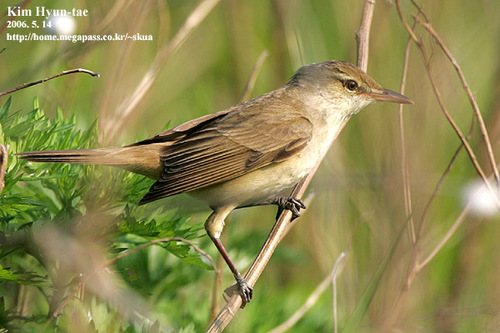 Chinese karekiet
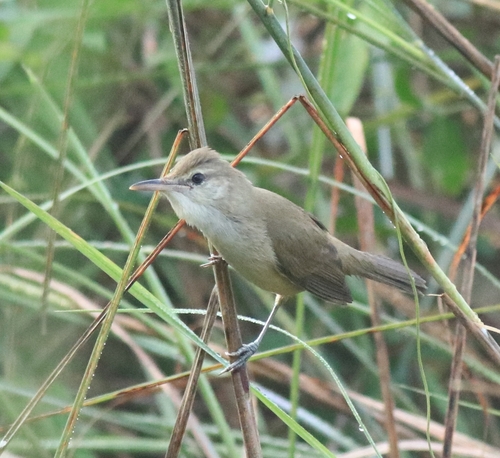 Indische karekiet
Kort gezegd
Het meest betrouwbare veldkenmerk om de Chinese karekiet van de Indische karekiet te scheiden, is de bleke witachtige punt aan de staartveren, die de Chinese toont en de Indische mist. Beide zijn grote, bruine karekieten met een vergelijkbare structuur en grootte, maar de Chinese is iets slanker, met een kortere, meer vierkante staart en een iets langere primaire projectie. Subtiele verschillen in verenkleed—zoals de smalle grijzige strepen op de keel en borst van de Chinese—kunnen helpen, maar zijn vaak moeilijk te zien in het veld. De kleur en vorm van de snavel, evenals de aanwezigheid van een bleke supercilium en een donkere oogstreep, zijn nuttige ondersteunende kenmerken. Stem en gedrag zijn vergelijkbaar, dus visuele aanwijzingen zijn het meest nuttig voor scheiding.
Herkenningstips
- Staartpunt: Zoek naar een bleke witachtige punt aan de staartveren van de Chinese karekiet; dit is het meest nuttige veldkenmerk en ontbreekt bij de Indische karekiet. Controleer zowel zittende als vliegende vogels.
- Staartvorm: De Chinese heeft een kortere, meer vierkante staart; de staart van de Indische is langer en minder vierkant. Dit is subtiel maar kan helpen bij directe vergelijking.
- Primaire projectie: De Chinese toont een iets langere primaire projectie voorbij de tertials, wat een meer puntige vleugelvorm geeft in de hand of in rust. De vleugels van de Indische lijken iets korter ten opzichte van het lichaam.
- Snavelvorm en kleur: De snavel van de Chinese is vrij lang en zwaar, bruin boven en roze onder met een heldere oranje opening (vooral duidelijk bij juvenielen en zingende volwassenen). De snavel van de Indische is sterk en puntig maar minder duidelijk gekleurd.
- Supercilium en oogstreep: Beide hebben een bleke supercilium en donkere oogstreep, maar de supercilium van de Chinese kan meer contrasterend zijn, vooral in vers verenkleed.
- Keel- en borststrepen: De Chinese toont smalle grijzige strepen op de keel en borst, het beste zichtbaar in goed licht of van dichtbij. De Indische mist deze strepen en is eenvoudiger van onder.
- Bovenste kleur: De Chinese is bruin boven met een bleker stuitje; de Indische (vooral noordelijke rassen) kan rijker bruin zijn, maar dit is variabel en overlapt.
- Onderste delen: De Chinese is witachtig onder, bruiner op de flanken en onderstaartdekken; de Indische is witachtig onder maar meer uniform, zonder de bruine flanken en onderstaartcontrast.
- Voetkleur: De Chinese heeft grijze voeten, maar dit is zelden zichtbaar in het veld en geen sterke scheider.
- Zang: Beide hebben luide, complexe zang; de zang van de Chinese omvat gutturale, kwakende noten en een harde 'chack' roep, terwijl die van de Indische een langzame, kletserige 'kereet-kereet-kereet' met nabootsing is. In de praktijk is zang geen betrouwbare scheider tenzij je beide goed kent.
- Zitkeuze: Beide zingen vanaf prominente riettoppen of struiken, dus gedrag is geen scheider.
- Habitat: Beide zijn specialisten van rietbedden; habitat helpt niet tenzij je buiten het normale bereik van één soort bent.
- Grootte en jizz: Beide zijn groot voor zangvogels, maar de Chinese is iets slanker en minder fors dan de Indische. Dit is subtiel en het beste te gebruiken met ervaring of in directe vergelijking.
- Leeftijd/geslacht: Geen significante verschillen tussen de geslachten; leeftijdsgebonden kenmerken zijn niet beschreven behalve voor de staartpunt bij de Chinese, die aanwezig is in alle leeftijden.
- Valkuilen: Pas op voor variabele verenkleedkleuren en overlappende structuren; geef altijd prioriteit aan de staartpunt en keelstrepen wanneer zichtbaar.
Grootte
Beide soorten zijn groot voor Acrocephalus zangvogels, met een lengte van 18–20 cm. De Chinese karekiet is iets slanker en korter gevleugeld dan de Indische, maar dit is subtiel en niet altijd zichtbaar in het veld. Hun vleugelspanwijdtes overlappen (Chinese: 23–26 cm), en beide hebben een sterke, puntige snavel. Grootte alleen is zelden diagnostisch, maar de Chinese kan iets gestroomlijnder en minder fors lijken dan de Indische.
Verenkleed
- Juveniele/onvolwassen vogels: Er zijn geen onderscheidende leeftijdspecifieke bovenvleugel- of vluchtkenmerken beschreven voor beide soorten, dus scheiding is afhankelijk van staart- en lichaamsveren in alle leeftijden.
- Staart: De Chinese karekiet toont een bleke witachtige punt aan de staartveren, zichtbaar wanneer hij zit of vliegt; de Indische karekiet mist deze eigenschap en heeft een eenvoudige staart.
- Bovenste delen: Beide zijn bruin boven, maar de Chinese heeft de neiging een bleker stuitje te hebben, terwijl de Indische (vooral noordelijke rassen) rijker bruin kan zijn. Deze verschillen zijn subtiel en variabel.
- Onderste delen: De Chinese is witachtig onder met bruine flanken en onderstaartdekken, en toont smalle grijzige strepen op de keel en borst (let hierop in goed licht). De Indische is witachtig onder maar mist de strepen en is meer uniform gekleurd.
- Hoofd: Beide hebben een bleke supercilium en een donkere oogstreep, maar de supercilium van de Chinese kan meer contrasterend zijn. De snavel van de Chinese is bruin boven, roze onder met een heldere oranje opening; de Indische heeft een sterke, puntige snavel maar de snavelkleur wordt minder benadrukt in beschrijvingen.
- Voeten: De Chinese heeft grijze voeten; de Indische, niet specifiek beschreven, maar geen belangrijke scheider.
Gedrag
Beide soorten gedragen zich vergelijkbaar, vaak zingend vanaf prominente zitplaatsen op de toppen van riet of struiken. Ze zijn actief, bewegen door dichte vegetatie en tonen zich af en toe goed tijdens het zingen. Er zijn geen grote gedragsverschillen opgemerkt die de twee betrouwbaar in het veld zouden scheiden.
Habitat
Beide soorten zijn specialisten van rietbedden, te vinden in hoge, dichte rietvelden nabij water. De Chinese karekiet is typisch voor Oost-Azië, terwijl de Indische karekiet van Egypte tot Zuid- en Zuidoost-Azië voorkomt. In gebieden van overlap (bijv. Zuidoost-Azië) zijn de habitatvoorkeuren bijna identiek, dus habitat is geen betrouwbare scheider.
Geluid
Beide soorten hebben luide, complexe zang die wordt geleverd vanaf blootgestelde zitplaatsen. De zang van de Chinese karekiet is een mix van warbelende zinnen en gutturale, kwakende noten, met een luide, harde 'chack' roep. De zang van de Indische karekiet is luid en verdragend maar minder schreeuwerig dan de Grote karekiet, met een langzame, kletserige 'kereet-kereet-kereet' en enige nabootsing. In de praktijk zijn hun zang genoeg vergelijkbaar dat de stem geen betrouwbare veldscheider is, tenzij je beide zeer goed kent.