

Oriental Reed Warbler vs Clamorous Reed Warbler
Acrocephalus orientalis contro Acrocephalus stentoreus
Fai un quiz con Oriental Reed Warbler e Clamorous Reed Warbler
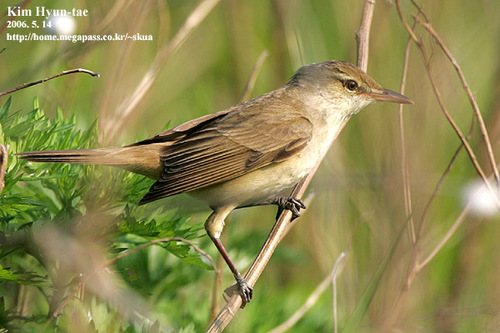 Oriental Reed Warbler
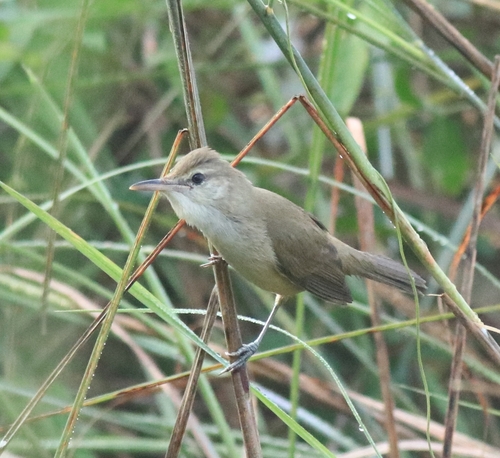 Clamorous Reed Warbler
In breve
Il segno di campo più affidabile per separare l'Oriental Reed Warbler dal Clamorous Reed Warbler è la punta biancastra delle penne della coda, che l'Oriental mostra e il Clamorous manca. Entrambi sono grandi, bruni, warblers delle canne con struttura e dimensioni simili, ma l'Oriental è leggermente più snello, con una coda più corta e più squadrata e una proiezione primaria leggermente più lunga. Sottile differenze nel piumaggio—come le strette strisce grigie sulla gola e sul petto dell'Oriental—possono aiutare, ma sono spesso difficili da vedere sul campo. Il colore e la forma del becco, così come la presenza di un supercilio pallido e una striscia scura sugli occhi, sono segni di supporto utili. Voce e comportamento sono simili, quindi gli indizi visivi sono più utili per la separazione.
Consigli di identificazione
- Tail tip: Cerca una punta biancastra delle penne della coda sull'Oriental Reed Warbler; questo è il segno di campo più utile e è assente nel Clamorous Reed Warbler. Controlla sia gli uccelli posati che quelli in volo.
- Tail shape: L'Oriental ha una coda più corta e più squadrata; la coda del Clamorous è più lunga e meno squadrata. Questo è sottile ma può aiutare nel confronto diretto.
- Primary projection: L'Oriental mostra una proiezione primaria leggermente più lunga oltre i tertiali, dando un aspetto di ali più appuntite a mano o a riposo. Le ali del Clamorous sembrano un po' più corte rispetto al corpo.
- Bill shape and color: Il becco dell'Oriental è piuttosto lungo e pesante, marrone sopra e rosa sotto con una bocca arancione brillante (specialmente evidente nei giovani e negli adulti cantanti). Il becco del Clamorous è forte e appuntito ma meno distintamente colorato.
- Supercilium and eyestripe: Entrambi hanno un supercilio pallido e una striscia scura sugli occhi, ma il supercilio dell'Oriental può essere più contrastante, specialmente nel piumaggio fresco.
- Throat and breast streaking: L'Oriental mostra strette strisce grigie sulla gola e sul petto, meglio visibili in buona luce o in viste ravvicinate. Il Clamorous manca di queste strisce ed è più semplice sotto.
- Upperparts color: L'Oriental è marrone sopra con un sottocoda più chiaro; il Clamorous (specialmente le razze settentrionali) può essere di un marrone più ricco, ma questo è variabile e sovrapposto.
- Underparts: L'Oriental è biancastro sotto, più marrone sui fianchi e sulle copritrici della coda; il Clamorous è biancastro sotto ma più uniforme, mancando del contrasto marrone sui fianchi e sotto la coda.
- Feet color: L'Oriental ha piedi grigi, ma questo è raramente visibile sul campo e non è un forte separatore.
- Song: Entrambi hanno canti forti e complessi; il canto dell'Oriental include note gutturali e croccanti e un richiamo aspro 'chack', mentre quello del Clamorous è un lento 'kereet-kereet-kereet' chiacchierante con mimetismo. In pratica, il canto non è un separatore affidabile a meno che tu non conosca bene entrambi.
- Perch choice: Entrambi cantano da prominenti cime di canne o cespugli, quindi il comportamento non è un separatore.
- Habitat: Entrambi sono specialisti delle canne; l'habitat non aiuta a meno che tu non sia al di fuori dell'area normale di una specie.
- Size and jizz: Entrambi sono grandi per i warblers, ma l'Oriental è leggermente più snello e meno massiccio del Clamorous. Questo è sottile e meglio utilizzato con esperienza o in confronto diretto.
- Age/sex: Non ci sono differenze significative tra i sessi; i segni legati all'età non sono descritti tranne che per la punta della coda nell'Oriental, che è presente in tutte le età.
- Pitfalls: Fai attenzione alle sfumature variabili del piumaggio e alla struttura sovrapposta; dai sempre priorità alla punta della coda e alle strisce sulla gola quando visibili.
Taglia
Entrambe le specie sono grandi per i warblers Acrocephalus, con una lunghezza di 18–20 cm. L'Oriental Reed Warbler è leggermente più snello e con ali più corte rispetto al Clamorous, ma questo è sottile e non sempre evidente sul campo. Le loro aperture alari si sovrappongono (Oriental: 23–26 cm), e entrambi hanno un becco forte e appuntito. La dimensione da sola è raramente diagnostica, ma l'Oriental può apparire un po' più snello e meno massiccio del Clamorous.
Piumaggio
- Juvenile/immature birds: Non ci sono segni distintivi specifici per l'età sulle ali superiori o sui voli descritti per nessuna delle due specie, quindi la separazione si basa sul piumaggio della coda e del corpo in tutte le età.
- Tail: L'Oriental Reed Warbler mostra una punta biancastra delle penne della coda, visibile quando è posato o in volo; il Clamorous Reed Warbler manca di questa caratteristica e ha una coda semplice.
- Upperparts: Entrambi sono marroni sopra, ma l'Oriental tende ad avere un sottocoda più chiaro, mentre il Clamorous (specialmente le razze settentrionali) può essere di un marrone più ricco nel complesso. Queste differenze sono sottili e variabili.
- Underparts: L'Oriental è biancastro sotto con fianchi marroni e copritrici della coda, e mostra strette strisce grigie sulla gola e sul petto (cerca queste in buona luce). Il Clamorous è biancastro sotto ma manca delle strisce ed è più uniformemente colorato.
- Head: Entrambi hanno un supercilio pallido e una striscia scura sugli occhi, ma il supercilio dell'Oriental può essere più contrastante. Il becco dell'Oriental è marrone sopra, rosa sotto con una bocca arancione brillante; il Clamorous ha un becco forte e appuntito ma il colore del becco è meno enfatizzato nelle descrizioni.
- Feet: L'Oriental ha piedi grigi; il Clamorous, non specificamente descritto, ma non è un separatore chiave.
Comportamento
Entrambe le specie si comportano in modo simile, spesso cantando da posatoi prominenti in cima a canne o cespugli. Sono attivi, muovendosi attraverso una vegetazione densa e occasionalmente mostrandosi bene mentre cantano. Non sono state notate differenze comportamentali significative che possano separare affidabilmente i due sul campo.
Habitat
Entrambe le specie sono specialisti delle canne, trovate in canne alte e dense vicino all'acqua. L'Oriental Reed Warbler è tipico dell'Asia orientale, mentre il Clamorous Reed Warbler si trova dall'Egitto attraverso il Sud e il Sud-est asiatico. Nelle aree di sovrapposizione (ad es., sud-est asiatico), le preferenze di habitat sono quasi identiche, quindi l'habitat non è un separatore affidabile.
Voce
Entrambe le specie hanno canti forti e complessi eseguiti da posatoi esposti. Il canto dell'Oriental Reed Warbler è un mix di frasi melodiche e note gutturali e croccanti, con un forte e aspro richiamo 'chack'. Il canto del Clamorous Reed Warbler è forte e lontano ma meno rauco rispetto al Cannareccione, con un lento 'kereet-kereet-kereet' chiacchierante e un po' di mimetismo. In pratica, i loro canti sono abbastanza simili da non essere un separatore affidabile sul campo a meno che tu non sia molto familiare con entrambi.
Oriental Reed Warbler · Clamorous Reed Warbler · I miei uccelli difficili